Amusement parks are realms of wonder and excitement, where people of all ages seek thrilling experiences. Behind the scenes of these vibrant attractions, a symphony of engineering marvels comes together to ensure safety, functionality, and an unforgettable ride. Among these crucial components, linear actuators play a significant yet often overlooked role. As a leading linear actuator supplier, I am well - versed in their capabilities and the potential they hold for amusement park applications.
Understanding Linear Actuators
Before delving into their use in amusement park rides, it's essential to understand what linear actuators are. A linear actuator is a device that converts rotational motion into linear motion. This is achieved through various mechanisms such as electric motors, hydraulic systems, or pneumatic cylinders. Electric linear actuators, in particular, are widely used due to their precision, controllability, and ease of integration.
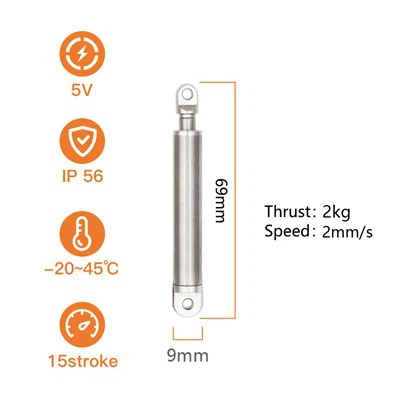
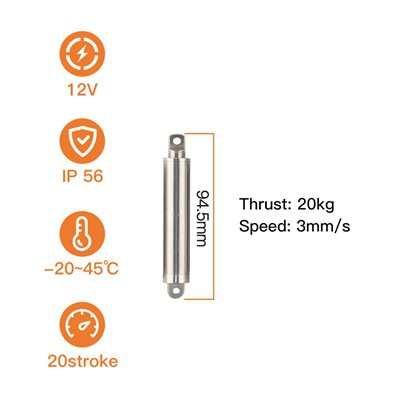
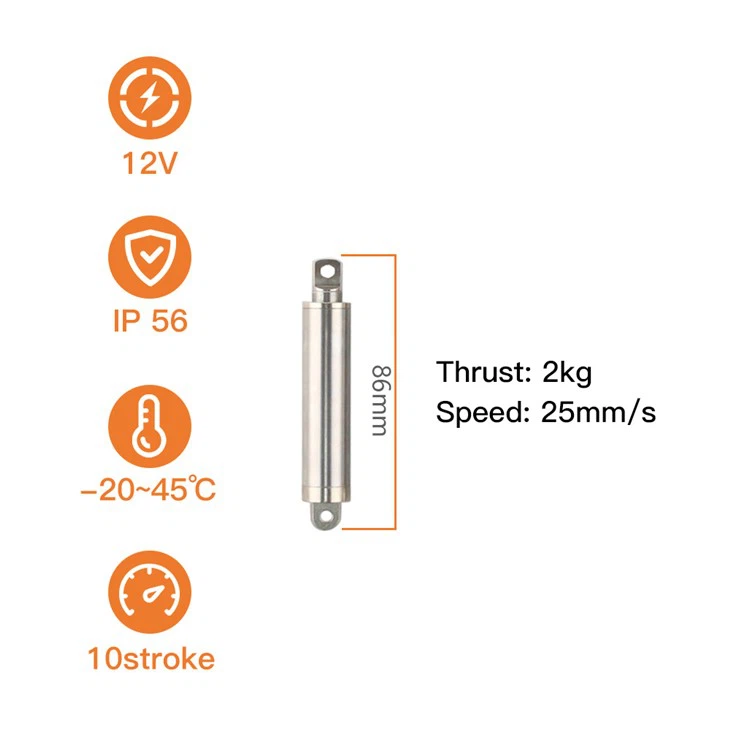
We offer a range of linear actuators, like the 12V Linear Actuator and Linear Actuator 12V, which are suitable for applications where a lower voltage power source is required. For more demanding tasks that need higher power, our Linear Actuator 24V, Actuator 24V, and 24V Actuator provide the necessary force and performance.

Applications of Linear Actuators in Amusement Park Rides
Seating and Restraint Systems
One of the most critical aspects of any amusement park ride is the safety of its passengers. Linear actuators are used in the design and operation of seating and restraint systems. For example, in roller coasters, the lap bars and shoulder restraints are often actuated by linear devices. These actuators can precisely adjust the position and tension of the restraints to ensure a secure fit for each passenger. This not only guarantees safety but also enhances the overall comfort of the ride.
In addition, in simulator rides, the seats can be adjusted to mimic different movements and positions. Linear actuators enable smooth and accurate adjustments, providing a more immersive experience for the riders. For instance, when the simulated environment calls for a sudden tilt or a gentle sway, the linear actuators can move the seats accordingly, creating a realistic sensation.
Ride Movement and Positioning
Linear actuators are also crucial for the fundamental movement and positioning of rides. In carousel - like rides, linear actuators can be used to control the height and angle of the horses or other ride elements. This allows for dynamic and engaging movement patterns that can be adjusted to create unique and exciting experiences for riders.
In more advanced thrill rides, such as free - fall towers or multi - axis motion simulators, linear actuators work in tandem to create complex and precise movements. They can lift the ride vehicle to a certain height, hold it in place, and then release it in a controlled manner. In multi - axis simulators, multiple linear actuators coordinate to provide movement in different directions, such as pitch, roll, and yaw, replicating the sensation of flying, driving in rough terrains, or even space travel.
Special Effects and Animations
Amusement park rides are not just about physical movement; they also incorporate a variety of special effects and animations to enhance the overall experience. Linear actuators are used to power these effects. For example, in a haunted house ride, linear actuators can be used to move animatronic figures, open and close doors, or create sudden jolts and jerks. In water rides, they can control the movement of water jets or the opening and closing of water gates, adding an extra layer of fun and surprise.
Advantages of Using Linear Actuators in Amusement Park Rides
Precision and Control
One of the key advantages of linear actuators is their high level of precision and control. Unlike some other types of motion - generating devices, linear actuators can be programmed to move to specific positions with great accuracy. This is essential in amusement park rides, where safety and the quality of the ride experience depend on precise movements. For example, when a roller coaster cart is being loaded and unloaded, the linear actuators in the restraint system need to activate and de - activate at exactly the right time to prevent any accidents.
Reliability and Durability
Amusement park rides operate under harsh conditions, with frequent use and exposure to various environmental factors such as heat, cold, and humidity. Linear actuators are designed to be reliable and durable, with robust construction and high - quality components. They can withstand the rigors of continuous operation and require minimal maintenance, ensuring that the rides can operate smoothly and safely over long periods of time.
Flexibility in Design
Linear actuators come in a variety of sizes, shapes, and power ratings, which allows for great flexibility in the design of amusement park rides. Whether it's a small, lightweight actuator for a delicate animatronic figure or a large, high - force actuator for a major ride movement, there is an actuator suitable for the job. This flexibility enables ride designers to create innovative and unique attractions that can meet the diverse needs and expectations of amusement park visitors.
Challenges and Considerations
While linear actuators offer many advantages for amusement park rides, there are also some challenges and considerations that need to be addressed.
Cost
High - quality linear actuators can be relatively expensive, especially when large numbers are required or when custom - designed actuators are needed. However, it's important to consider the long - term benefits and savings in terms of reliability, safety, and maintenance. A well - chosen linear actuator can pay for itself over time by reducing downtime and repair costs associated with the ride.
Integration with Existing Systems
Integrating linear actuators into existing amusement park rides or new ride designs can be a complex process. It requires careful planning, engineering expertise, and compatibility testing to ensure that the actuators work seamlessly with the other components of the ride, such as control systems, electrical wiring, and mechanical structures.
Safety Regulations
Amusement park rides are subject to strict safety regulations, and the use of linear actuators must comply with these requirements. This includes proper safety features, such as emergency stop mechanisms and position sensors, as well as regular inspections and maintenance to ensure the continued safe operation of the actuators.
Conclusion
In conclusion, linear actuators have a wide range of applications in amusement park rides, from ensuring passenger safety in restraint systems to creating exciting movements and special effects. Their precision, reliability, and flexibility make them an ideal choice for ride designers and operators. As a linear actuator supplier, we are committed to providing the highest - quality products that meet the demanding requirements of the amusement park industry.
If you are in the process of designing, upgrading, or maintaining an amusement park ride and are interested in learning more about our linear actuators, or if you have any specific requirements, we encourage you to reach out and initiate a procurement discussion. We look forward to the opportunity to work with you and contribute to the creation of unforgettable amusement park experiences.
References
- Brown, A. (2020). Engineering Marvels in Amusement Park Rides. Amusement Engineering Journal, 15(2), 34 - 47.
- Clark, B. (2019). Linear Actuators: Applications and Advancements. Mechanical Engineering Review, 22(3), 121 - 136.
- Davis, C. (2021). Safety Considerations in Amusement Park Ride Design. Safety in the Entertainment Industry Conference Proceedings, 78 - 85.