


Linear Actuator
Linear Actuator: Customizable Motion Components for OEM/ODM Projects
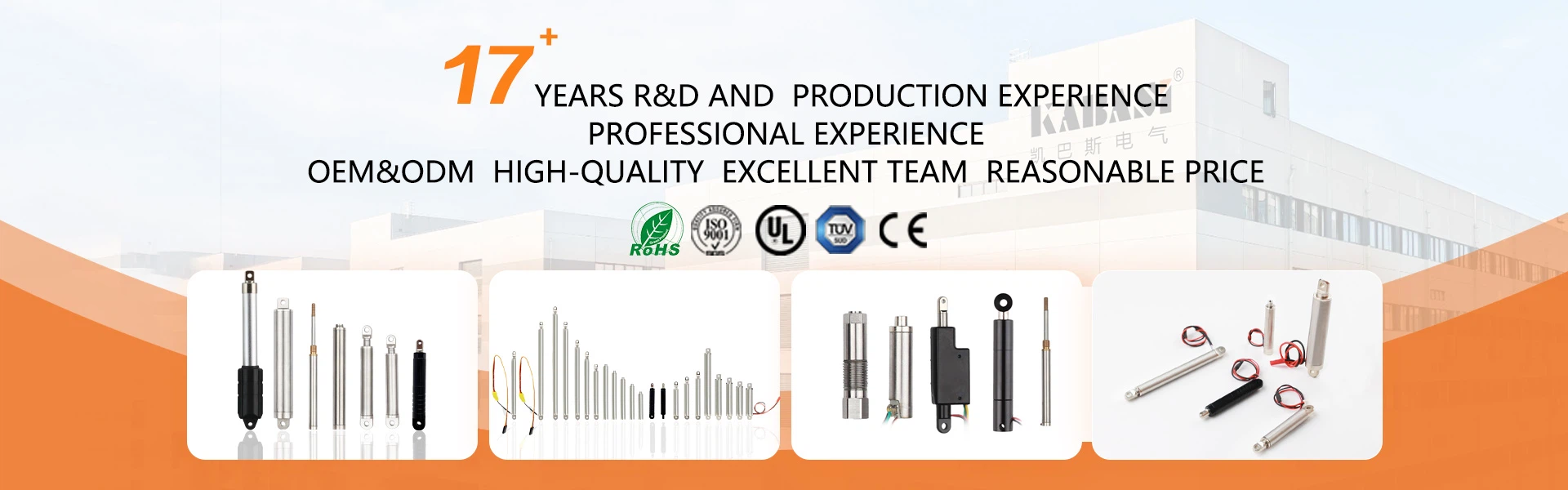
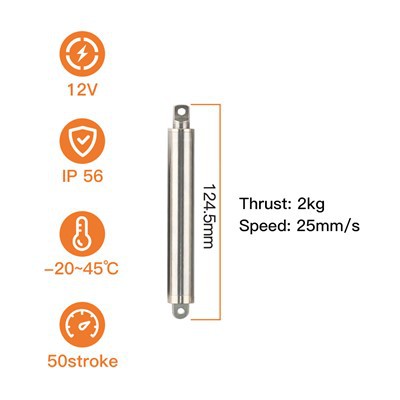
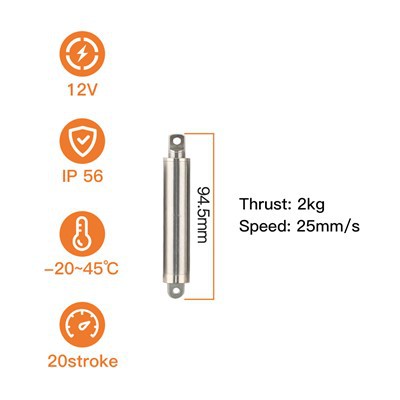
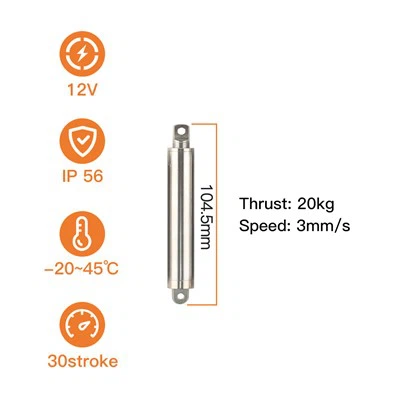
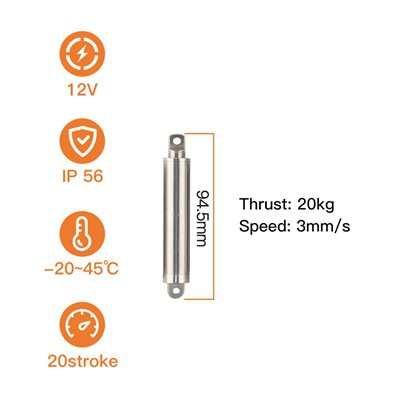
Expert "Soft Customization": Tailor your stroke lengths (10mm to 120mm+), speed, and voltage parameters to meet the exact requirements of your specific project.
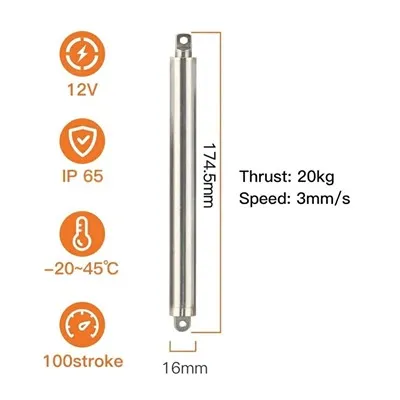
Harsh Environment Ready: From -40°C low-temperature resistance to IP65 waterproof protection, KABASI actuators provide reliable execution in all-weather scenarios.
Manufacturer Advantage: Backed by a National High-Tech Enterprise with 30+ patents, we offer competitive direct-factory pricing for bulk OEM/ODM orders.





Why Choose Us
Quality Assurance
We have 100% quality guarantee to customers. We will be responsible for any quality problem.
Our Certificate
The products have passed CE, RoHS, CCC, TUV and other certifications, and have more than 30 national patents.
Sale Market
The company is based in China and has a global vision. At present, its products have been exported to more than 60 countries and regions around the world.
Our Service
We assist customers in selecting suitable products, develop new products in line with customer needs, and provide technical support and suggestions.
Linear Actuator - Overview
A linear actuator is an actuator that creates linear motion (i.e., in a straight line), in contrast to the circular motion of a conventional electric motor. When the motor rotates, it drives the lead screw, causing the nut to move along the screw thread, thereby translating rotational motion into linear motion.
Product Specification
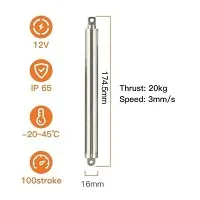
We offer the following Specifications
|
Voltage |
12VDC |
|
Nominal current |
2.8A |
|
Feedback |
No |
|
Maximum Force |
1000N |
|
Speed at maximum load |
5.5mm/s |
|
Stroke length |
300mm |
|
Weight |
1.2kg |
|
SKU |
16024254 |
Types of Linear Actuator
Hydraulic Actuator
Hydraulic actuators use pressurized fluid to generate linear motion. They are often used in heavy-duty applications where high force is required, such as in construction equipment, industrial machinery, and aerospace systems.
Pneumatic Actuator
Pneumatic actuators use compressed air to generate linear motion. They are commonly used in applications where rapid and repetitive motion is required, such as in automation systems, robotics, and assembly lines.
Mechanical Linear Actuator
Mechanical linear actuators use mechanisms like cams, levers, or linkages to convert rotary motion into linear motion. They are simple in design and are often used in low-force applications where precision is not critical. Mechanical actuator are great at converting rotary motion into linear motion.

Advantages of Linear Actuator
Precision and Accuracy
It is possible to achieve accurate positioning and repeatability with linear actuators due to their precision control over movement. The need for precise alignment and movement is vital in manufacturing, robotics, and medical equipment, where quality and consistency are essential.
Controlled Speed and Force
The application requirements can dictate the force and speed of an actuator. In hydraulic actuators, for instance, high forces can be generated for heavy lifting, whereas electric actuators can achieve precise motor speed control.
Compact Design
A linear actuator's compact design allows it to fit into small places and can be used in installations with limited space or in applications with multiple actuators. As a result of their compactness, they are versatile and usable in a variety of environments.
Energy Efficiency
Energy-saving features such as variable speed drives and regenerative braking systems enable electric linear actuators to be more energy-efficient than hydraulic or pneumatic actuators. In addition to reducing operational costs, this efficiency also contributes to a more sustainable environment.
Reliability and Durability
High loads, frequent use, and harsh environments are all factors that make linear actuators suited to rigorous operating conditions. In heavy industrial applications where continuous operation is crucial, hydraulic actuators are known for their robustness and reliability.
Safety
Using actuators can reduce the risk of injury and accidents because they automate processes that would otherwise require manual handling. An overload protection mechanism and fail-safe mechanism are important safety features for critical applications.
Application of Linear Actuator
Food & Beverage
During food processing applications, it is important to maintain a clean and safe environment so as not to contaminate the product. Electric linear actuators are especially up for this task due to their low risk of contamination. Yet, another example of linear actuation within the food and beverage industry includes their use in blast chillers and meat separators.
Windows & Doors
Linear actuation can provide aid in manufacturing applications that provide ergonomic strain to employees. In these facilities, linear actuators provide much of the same automation support that they would in other material handling applications. These actuators also provide motion in mechanisms found within windows and doors that allow them to open.
Automotive
Electric linear actuators are flexible actuators and are ideal for many automotive applications. As such, these actuators have become a mainstay within the industry. Linear actuators are generally used for any automotive applications requiring parts to be lifted or shifted.
Agriculture
Farmers have pressure to produce as many products as possible while also having time constraints due to seasonal changes. As such, automation like that produced through linear motion helps those in the agricultural industry to work smarter.
Energy
With the topic of energy on the top of everyone's minds, linear actuation is paving the way for alternative energy sources. Both hydraulic actuators and electric actuators can be used within solar panels to move with the sun, therefore capturing the most sunlight possible. Linear actuators are also used to turn the blades of turbines to harness energy from wind.
Packaging & Delivery

Certifications

FAQ