



Micro Actuator
Micro Actuator: Ultra-Miniature Linear Drives for Humanoid Robotics & Precision Devices
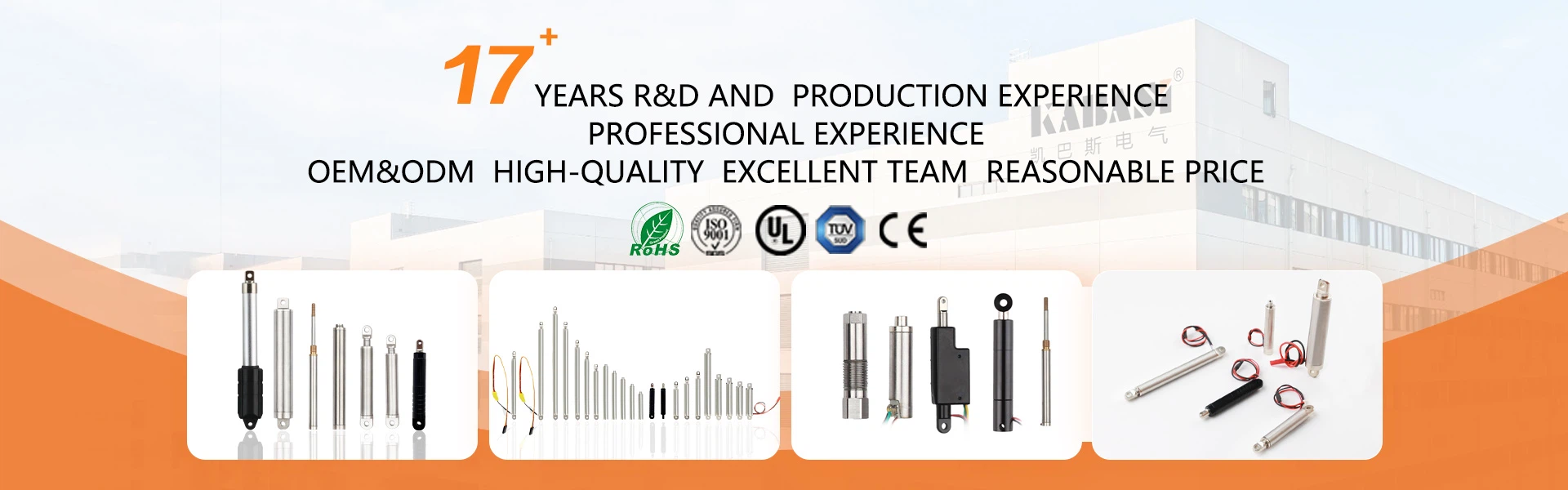
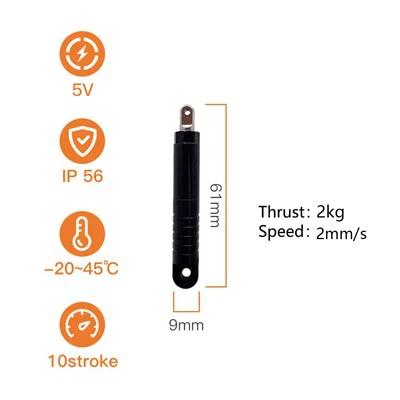
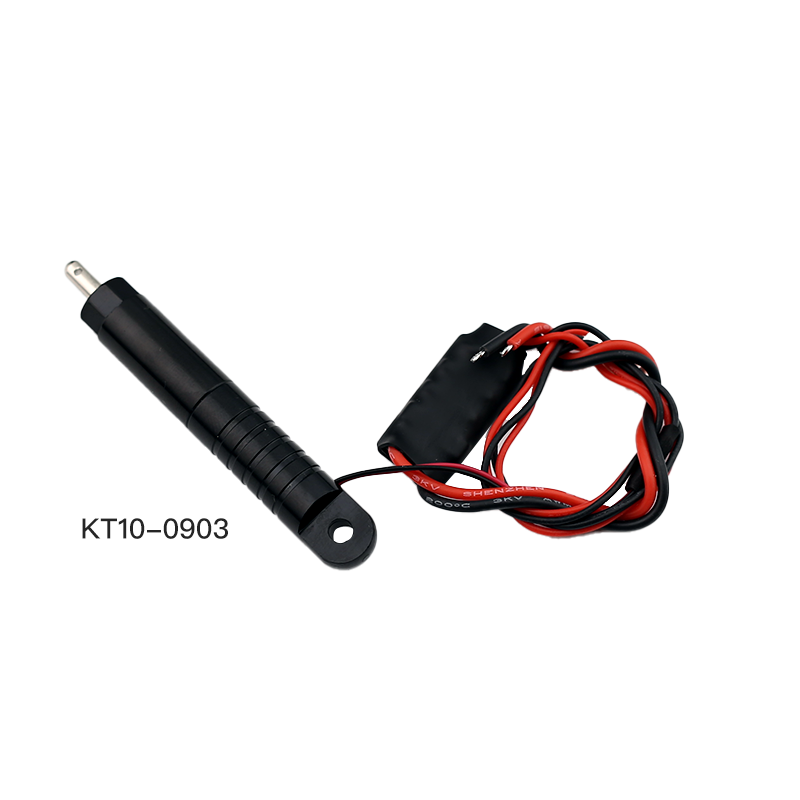
Unrivaled Miniaturization: With outer diameters as small as 8mm & 9mm, KABASI fills the market gap for space-critical applications like humanoid robotic fingers and phalange joints.
Premium Material Build: Engineered with 304 Stainless Steel and Copper Alloy internal components, ensuring superior durability and lifespan compared to plastic-based alternatives.
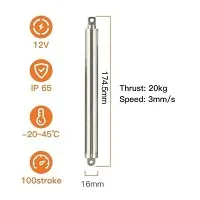
High Power-to-Size Ratio: Despite its thumb-sized footprint, it delivers up to 2kg of thrust, making it the premier choice for medical tools and micro-UAVs.


Why Choose Us
Quality Assurance
We have 100% quality guarantee to customers. We will be responsible for any quality problem.
Our Certificate
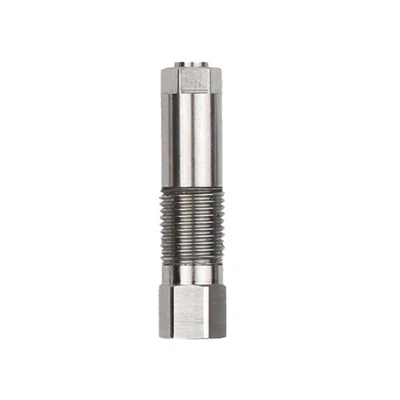
The products have passed CE, RoHS, CCC, TUV and other certifications, and have more than 30 national patents.
Sale Market
The company is based in China and has a global vision. At present, its products have been exported to more than 60 countries and regions around the world.
Our Service
We assist customers in selecting suitable products, develop new products in line with customer needs, and provide technical support and suggestions.
Micro Actuator - Overview
A microscopic servomechanism used to supply & transmit a measured amount of energy for the system or another mechanism operation is known as a microactuator. Like a general actuator, a microactuator has to meet these standards like fast switching, large travel, high precision, less power consumption, etc. These actuators are available in different sizes which vary from millimeters to micrometers, but once they are packaged they can achieve the whole size in centimeters.
Product Specification
We offer the following Product Specifications
|
Motor (Pitch 1 / 2 mm) |
DC-B-013 |
DC-B-031 |
2Phase-045 |
|
Speed max. (mm/sec) |
2.5 / 5 |
50 / 90 |
25 / 45 |
|
Resolution calculated (µm) |
0.016 / 0.033 (RE) |
0.5 / 1 (RE) |
5 / 10 (FS) |
|
Resolution typical (µm) |
0.1 / 0.2 |
0.5 / 1 |
0.1 / 0.2 |
|
Bi-directional Repeatability (µm) |
± 1 |
± 1 |
± 1 |
|
Uni-directional Repeatability (µm) |
0.2 |
0.5 / 1 |
0.2 |
|
Nominal Current (A) |
0. 28 |
1.96 |
1.2 |
|
Voltage Range (V) |
24 |
24 |
|
|
Accuracy |
On request |
On request |
On request |
|
Velocity Range (mm/sec) |
0.001 ... 100 |
0.001 ... 100 |
0.001 ... 100 |
|
Material |
Stainless steel |
Stainless steel |
Stainless steel |
Advantages of Micro Actuator

Small
Complete, compact system with embedded closed-loop controls. Less than half the size and one-fourth the weight of comparable systems.NO external control board is needed.

Precise
0.5μm Position resolution with six millimeters of travel. Low voltage, low power use: Runs on 3.3V input, holds position with power off.

Simple system integration
Accepts high-level motion commands DIRECTLY from your system processor, over standard serial interface (I2C or SPI).
Flexible system, fast time to market
The M3 platform is designed for rapid customization. Modules are configurable for single- or multi-axis motion and travel up to 20 mm.
Micro Actuator Construction
The following figures show three thermal microactuator designs biomaterial actuator, bent-beam actuator & flexure actuator. The design of thermal actuators with a single material is symmetric which is known as bent-beam or V-shaped.
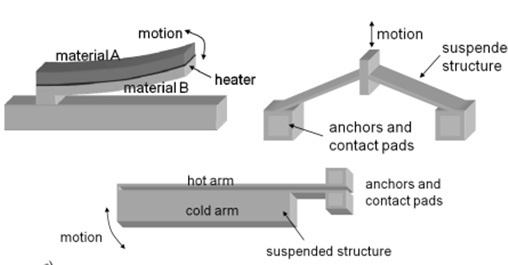
The bi-material actuator includes materials with different thermal expansion coefficients & works equally to a bimetallic thermostat. Whenever the temperature changes because of an embedded heater in the actuator, the microactuator can move because of the variation within the expansion associated with the variation within the temperature.
The bent-beam actuator includes angled legs which are helpful in expanding once heated and provide force and displacement output. The flexure actuator is asymmetric which includes a hot arm & a cold arm. These actuators include asymmetric legs that bend to the surface due to differential expansion once heated.
Application of Micro Actuator
Medical devices
Micro actuators are widely used in medical devices such as drug delivery systems, hearing aids, and surgical instruments.
Consumer electronics
Micro actuators are commonly used in consumer electronics such as cameras, smartphones, and wearable devices for a variety of purposes, including vibration feedback and optical zoom.
Automotive industry
Micro actuators are used in automotive applications such as seat adjusters, throttle controllers, and fuel injectors.
Aerospace industry
Micro actuators are utilized in aerospace applications such as control surfaces and landing gear on aircraft.
Robotics
Micro actuators are used in robotics for a range of purposes including actuation, position control, and force feedback.
Industrial automation
Micro actuators are used in industrial automation systems for precision motion control in applications such as assembly lines and material handling systems.
Packaging & Delivery

Certifications

FAQ