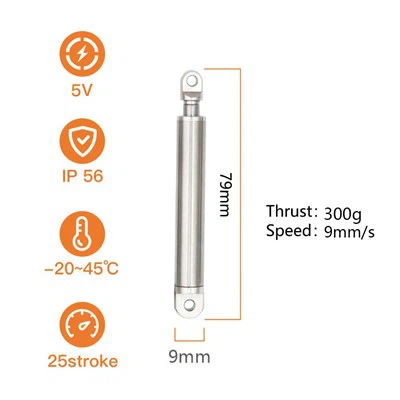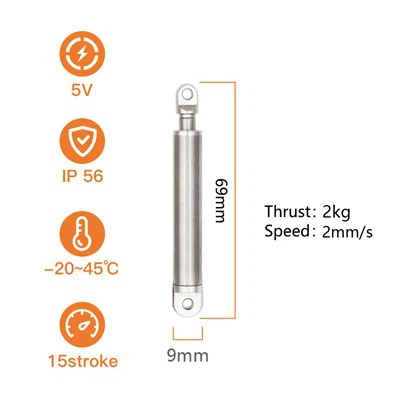
As a reliable supplier of fast electric actuators, I understand the critical importance of anti - corrosion measures for these essential devices. Fast electric actuators are used in a wide range of industries, from manufacturing and automation to aerospace and marine applications. In these environments, they are often exposed to harsh conditions that can lead to corrosion, which not only affects the appearance of the actuator but also its performance and lifespan. In this blog, I will share some effective anti - corrosion measures for fast electric actuators.
Understanding the Causes of Corrosion in Fast Electric Actuators
Before delving into anti - corrosion measures, it's crucial to understand what causes corrosion in fast electric actuators. Corrosion is a natural process that occurs when metals react with their environment. In the case of electric actuators, several factors can contribute to corrosion:
Moisture and Humidity
Moisture is one of the primary culprits in corrosion. When an actuator is exposed to high humidity or direct contact with water, the metal components can start to rust. This is especially true in coastal areas or industrial settings where there is a lot of water vapor in the air.
Chemicals and Pollutants
In industrial environments, actuators may come into contact with various chemicals and pollutants. Acids, alkalis, and salts can accelerate the corrosion process. For example, in a chemical plant, the presence of corrosive gases or liquids can quickly damage the actuator's metal parts.
Temperature Fluctuations
Extreme temperature changes can also contribute to corrosion. When an actuator is exposed to rapid temperature variations, it can cause the metal to expand and contract, which can create microscopic cracks. These cracks provide a pathway for moisture and chemicals to penetrate the metal, leading to corrosion.
Anti - Corrosion Measures for Fast Electric Actuators
Material Selection
The first step in preventing corrosion is to choose the right materials for the actuator. Stainless steel is a popular choice because it contains chromium, which forms a passive oxide layer on the surface of the metal. This layer protects the underlying metal from corrosion. For example, 304 and 316 stainless steels are commonly used in electric actuators due to their excellent corrosion resistance.
Another option is to use aluminum alloys. Aluminum has a natural oxide layer that provides some protection against corrosion. It is also lightweight, which can be beneficial in applications where weight is a concern. However, aluminum may not be as suitable in highly corrosive environments as stainless steel.
Surface Coatings
Applying a protective surface coating is an effective way to prevent corrosion. There are several types of coatings that can be used on fast electric actuators:
- Powder Coating: Powder coating is a dry finishing process where a fine powder is electrostatically applied to the actuator's surface and then cured under heat. This creates a durable, protective layer that is resistant to corrosion, abrasion, and chemicals. Powder coatings come in a variety of colors and finishes, making them suitable for both functional and aesthetic purposes.
- Electroplating: Electroplating involves depositing a thin layer of metal, such as zinc or nickel, onto the actuator's surface. Zinc plating, in particular, is widely used because it provides sacrificial protection. This means that the zinc corrodes first, protecting the underlying metal. Nickel plating can also improve the actuator's corrosion resistance and provide a smooth, shiny finish.
- Epoxy Coating: Epoxy coatings are known for their excellent adhesion and chemical resistance. They can be applied to the actuator's surface to form a tough, protective barrier against moisture, chemicals, and abrasion. Epoxy coatings are often used in industrial and marine applications where the actuator is exposed to harsh conditions.
Sealing and Enclosure
Proper sealing and enclosure are essential for protecting the internal components of the fast electric actuator from corrosion. Seals can prevent moisture, dust, and chemicals from entering the actuator. O - rings, gaskets, and lip seals are commonly used to seal the actuator's housing.
In addition to seals, enclosures can provide an extra layer of protection. A well - designed enclosure can shield the actuator from environmental factors such as rain, snow, and sunlight. Enclosures can be made of materials such as plastic, fiberglass, or stainless steel, depending on the application requirements.
Maintenance and Inspection
Regular maintenance and inspection are crucial for detecting and preventing corrosion in fast electric actuators. Here are some maintenance tips:
- Cleaning: Keep the actuator clean by removing dirt, dust, and debris regularly. Use a mild detergent and a soft cloth to clean the surface. Avoid using abrasive cleaners that can damage the protective coating.
- Lubrication: Lubricate the moving parts of the actuator as recommended by the manufacturer. Lubrication not only reduces friction but also helps to protect the metal surfaces from corrosion.
- Inspection: Regularly inspect the actuator for signs of corrosion, such as rust, pitting, or discoloration. If corrosion is detected, take immediate action to address the issue. This may involve cleaning the affected area, applying a corrosion inhibitor, or replacing the damaged parts.
The Importance of Anti - Corrosion Measures in Different Applications
Industrial Applications
In industrial settings, fast electric actuators are often exposed to harsh chemicals, high humidity, and extreme temperatures. Anti - corrosion measures are essential to ensure the reliable operation of these actuators. For example, in a chemical processing plant, actuators used to control valves and pumps need to be protected from corrosive chemicals. By using corrosion - resistant materials and coatings, the lifespan of the actuators can be significantly extended, reducing maintenance costs and downtime.
Marine Applications
Marine environments are particularly corrosive due to the presence of saltwater. Fast electric actuators used in ships, offshore platforms, and marine equipment need to be highly resistant to corrosion. Stainless steel and specialized coatings are commonly used in marine applications to protect the actuators from the corrosive effects of saltwater. Additionally, proper sealing and enclosure are crucial to prevent water ingress.
Aerospace Applications
In the aerospace industry, weight is a critical factor. However, anti - corrosion measures cannot be compromised. Fast electric actuators used in aircraft need to be lightweight yet corrosion - resistant. Aluminum alloys and advanced coatings are often used to meet these requirements. Corrosion in aerospace actuators can lead to serious safety issues, so regular maintenance and inspection are of utmost importance.
Our Product Range and Anti - Corrosion Features
As a supplier of fast electric actuators, we offer a wide range of products with excellent anti - corrosion features. Our Electric Linear Actuator 6V is designed for applications where low voltage and high - speed operation are required. It is made of high - quality materials and coated with a protective powder coating to resist corrosion.
Our Dc Brush Electric Actuator is another popular product. It features a durable stainless steel housing and advanced sealing technology to prevent moisture and dust from entering the actuator. This ensures reliable operation even in harsh environments.
We also offer Electric Linear Actuator with long - stroke capabilities. These actuators are suitable for applications where a large amount of linear motion is required. They are built with corrosion - resistant materials and can be customized with different coatings to meet specific application requirements.
In addition, our Electric Actuator Control systems are designed to work seamlessly with our actuators. They provide precise control and monitoring, ensuring the efficient operation of the actuators.
For applications that require a long - stroke electric linear actuator, our Long Stroke Electric Linear Actuator is an ideal choice. It offers high - speed operation and excellent corrosion resistance, making it suitable for a wide range of industrial and commercial applications.
Contact Us for Your Fast Electric Actuator Needs
If you are in the market for high - quality fast electric actuators with excellent anti - corrosion features, we would love to hear from you. Our team of experts can help you choose the right actuator for your specific application and provide you with detailed information about our products and services. Whether you are in the industrial, marine, or aerospace industry, we have the solutions to meet your needs. Contact us today to start a conversation about your fast electric actuator requirements and explore how we can help you achieve your goals.


References
- ASM International. (2007). Corrosion Basics: An Introduction. ASM International.
- Fontana, M. G. (1986). Corrosion Engineering. McGraw - Hill.
- Uhlig, H. H., & Revie, R. W. (1985). Corrosion and Corrosion Control: An Introduction to Corrosion Science and Engineering. Wiley - Interscience.