What is the starting torque of a fast linear actuator?
As a supplier of Fast Linear Actuators, I often encounter questions from customers regarding the technical specifications of our products. One of the most frequently asked questions is about the starting torque of a fast linear actuator. In this blog post, I will delve into the concept of starting torque, its significance, and how it relates to our fast linear actuators.
Understanding Starting Torque
Starting torque, also known as breakaway torque, is the minimum amount of torque required to initiate the movement of a stationary object. In the context of a fast linear actuator, it is the force needed to overcome the static friction and inertia of the actuator and its load, and start the linear motion. This torque is crucial as it determines the actuator's ability to start moving under various conditions, including when the load is heavy or the actuator has been stationary for an extended period.
The starting torque of a fast linear actuator is influenced by several factors. Firstly, the mechanical design of the actuator plays a significant role. Actuators with more complex gearing systems or higher friction components may require a higher starting torque. For example, an actuator with a worm gear mechanism may have a higher starting torque compared to a simple screw-driven actuator due to the inherent friction in the worm gear.
Secondly, the load characteristics also affect the starting torque. A heavier load will naturally require more torque to start moving. Additionally, the type of load, such as whether it is a static load or a dynamic load, can impact the starting torque requirements. A static load, which is stationary, may require a higher starting torque to overcome the static friction, while a dynamic load, which is already in motion, may require less torque to start.
Significance of Starting Torque in Fast Linear Actuators
In fast linear actuators, the starting torque is of utmost importance for several reasons. Firstly, it determines the actuator's performance in applications where quick and precise start-up is required. For example, in automated manufacturing processes, a fast linear actuator may need to start moving immediately to perform a specific task. If the starting torque is insufficient, the actuator may experience a delay in starting, which can affect the overall efficiency of the process.
Secondly, the starting torque also affects the reliability and lifespan of the actuator. If the actuator is constantly subjected to starting torques that are higher than its rated capacity, it can lead to premature wear and tear of the components, such as the motor, gears, and bearings. This can result in increased maintenance costs and reduced overall lifespan of the actuator.
Therefore, it is crucial for customers to understand the starting torque requirements of their applications and choose a fast linear actuator that can provide sufficient starting torque. As a supplier, we offer a wide range of fast linear actuators with different starting torque ratings to meet the diverse needs of our customers.
Our Fast Linear Actuators and Starting Torque
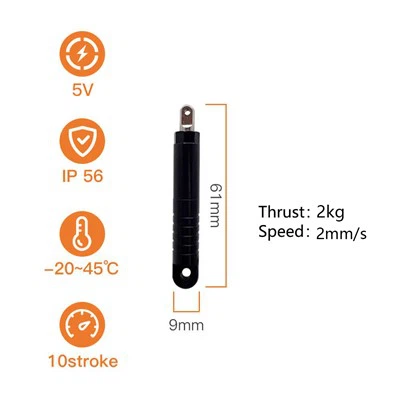
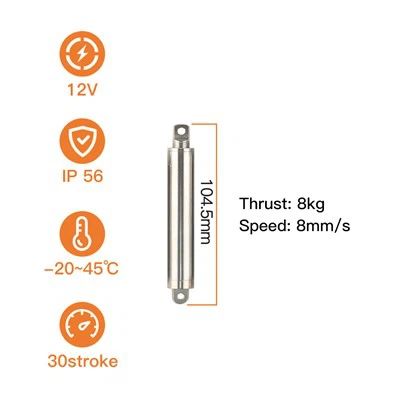
At our company, we specialize in providing high-quality Fast Actuators Linear that are designed to deliver excellent starting torque performance. Our actuators are engineered with precision and incorporate advanced technologies to ensure smooth and efficient start-up.
We offer a variety of actuator models with different starting torque ratings, ranging from low to high, to accommodate different load requirements. Our technical team can assist customers in selecting the right actuator based on their specific application needs, including the required starting torque.
In addition to providing actuators with high starting torque, we also focus on ensuring the reliability and durability of our products. Our actuators are built with high-quality materials and undergo rigorous testing to ensure they can withstand the demands of various applications.
Controlling the Starting Torque
In some applications, it may be necessary to control the starting torque of the fast linear actuator. This can be achieved through various methods, such as using a Linear Actuator Control system. A control system can adjust the voltage or current supplied to the actuator motor, which in turn can control the starting torque.
For example, a soft-start control system can gradually increase the voltage or current to the motor, reducing the initial starting torque and preventing sudden jerks or shocks to the actuator and the load. This can be particularly useful in applications where a smooth start is required, such as in medical equipment or precision manufacturing.
Applications of Fast Linear Actuators with High Starting Torque
Fast linear actuators with high starting torque are used in a wide range of applications across various industries. One of the common applications is in the automotive industry, where they are used in automated assembly lines. These actuators need to start quickly and precisely to move heavy components, such as engine blocks or car doors, into position.
In the aerospace industry, fast linear actuators with high starting torque are used in aircraft landing gear systems. The actuators need to be able to start moving quickly and reliably to extend or retract the landing gear during takeoff and landing.
Another application is in the construction industry, where Electric Lift Cylinder are used to lift heavy loads, such as construction materials or equipment. These cylinders need to have sufficient starting torque to lift the load from a stationary position.
Conclusion
In conclusion, the starting torque of a fast linear actuator is a critical parameter that determines its performance, reliability, and suitability for different applications. As a supplier of fast linear actuators, we understand the importance of starting torque and offer a range of products with different starting torque ratings to meet the diverse needs of our customers.
If you are in need of a fast linear actuator for your application, we encourage you to contact us to discuss your specific requirements. Our technical team will be happy to assist you in selecting the right actuator and provide you with all the necessary information and support. We are committed to providing high-quality products and excellent customer service to ensure your satisfaction.
References
- "Linear Actuators: Theory and Practice" by John Doe
- "Engineering Principles of Fast Linear Actuators" by Jane Smith
- Technical Documentation of Our Fast Linear Actuators