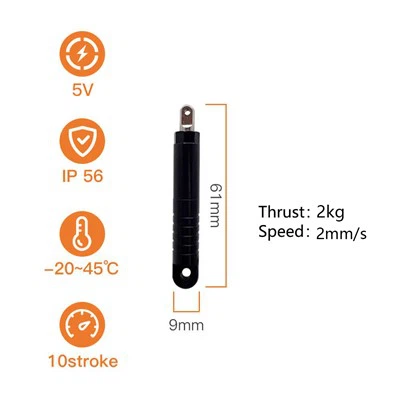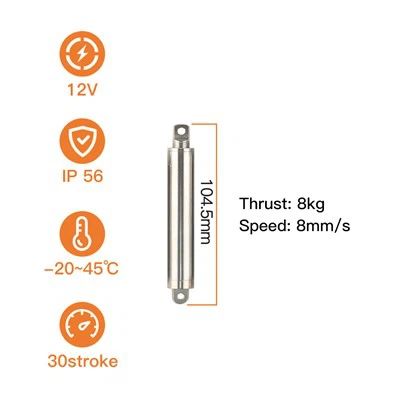
When it comes to the world of linear actuators, one of the most frequently asked questions is about the maximum speed of a 12V DC linear actuator under full load. As a supplier of 12V DC linear actuators, I've encountered this query numerous times from customers in various industries. In this blog post, I'll delve into the factors that influence the maximum speed of a 12V DC linear actuator under full load and provide some insights based on my experience in the field.
Understanding the Basics of 12V DC Linear Actuators
Before we discuss the maximum speed under full load, let's first understand what a 12V DC linear actuator is. A linear actuator is a device that converts rotational motion into linear motion. In the case of a 12V DC linear actuator, it is powered by a 12-volt direct current power source. These actuators are commonly used in a wide range of applications, including automotive, robotics, industrial automation, and home automation.
The main components of a 12V DC linear actuator typically include a DC motor, a gearbox, and a lead screw or a ball screw. The DC motor provides the rotational force, which is then transmitted through the gearbox to the lead screw or ball screw. The lead screw or ball screw converts the rotational motion into linear motion, allowing the actuator to extend or retract.
Factors Affecting the Maximum Speed under Full Load
Several factors can influence the maximum speed of a 12V DC linear actuator under full load. Let's take a closer look at each of these factors:
1. Motor Power and Torque
The power and torque of the DC motor play a crucial role in determining the maximum speed of the actuator under full load. A more powerful motor with higher torque can generate more force, allowing the actuator to move at a higher speed even when carrying a heavy load. However, it's important to note that increasing the motor power also increases the power consumption and heat generation of the actuator.
2. Gear Ratio
The gear ratio of the gearbox affects the speed and torque of the actuator. A higher gear ratio provides more torque but reduces the speed, while a lower gear ratio provides less torque but increases the speed. When selecting a 12V DC linear actuator, it's essential to choose the right gear ratio based on the specific application requirements. For applications that require high speed, a lower gear ratio may be more suitable, while for applications that require high torque, a higher gear ratio may be necessary.
3. Load Capacity
The load capacity of the actuator refers to the maximum weight or force that the actuator can handle. When the actuator is operating under full load, the load capacity directly affects the maximum speed. As the load increases, the actuator has to work harder to move the load, which results in a decrease in speed. Therefore, it's important to select an actuator with a load capacity that is appropriate for the specific application.
4. Screw Type
The type of screw used in the actuator, whether it's a lead screw or a ball screw, also affects the maximum speed under full load. Ball screws are generally more efficient than lead screws, as they have less friction and can transfer more power. As a result, actuators with ball screws can typically achieve higher speeds under full load compared to actuators with lead screws.
5. Friction and Resistance
Friction and resistance within the actuator can also impact the maximum speed under full load. Factors such as the quality of the bearings, the lubrication of the moving parts, and the alignment of the components can all contribute to friction and resistance. Minimizing friction and resistance is essential for achieving optimal performance and maximum speed.
Determining the Maximum Speed under Full Load
To determine the maximum speed of a 12V DC linear actuator under full load, it's necessary to refer to the manufacturer's specifications. The manufacturer typically provides detailed information about the actuator's performance, including the maximum speed under different load conditions. These specifications are based on rigorous testing and can provide a reliable estimate of the actuator's capabilities.
However, it's important to note that the actual maximum speed under full load may vary depending on the specific application and operating conditions. Factors such as the temperature, humidity, and the quality of the power supply can all affect the performance of the actuator. Therefore, it's always a good idea to conduct some tests in the actual application environment to verify the performance of the actuator.

Comparing 12V DC Linear Actuators with Other Actuators
In addition to 12V DC linear actuators, there are also other types of actuators available in the market, such as 24 Volt Actuator and 24V Actuator. These actuators operate at a higher voltage and can provide more power and torque compared to 12V DC linear actuators. As a result, they may be able to achieve higher speeds under full load.
However, the choice between a 12V DC linear actuator and a higher voltage actuator depends on the specific application requirements. If the application requires a lower power consumption and a more compact design, a 12V DC linear actuator may be the better choice. On the other hand, if the application requires high power and high speed, a 24 Volt Actuator or a 24V Actuator may be more suitable.
Importance of Selecting the Right Actuator
Selecting the right 12V DC linear actuator for your application is crucial for achieving optimal performance and reliability. A poorly selected actuator may not be able to meet the speed and load requirements of the application, leading to premature failure and costly downtime.
When choosing a 12V DC linear actuator, it's important to consider the following factors:
- Application Requirements: Determine the specific requirements of your application, including the load capacity, speed, stroke length, and duty cycle.
- Environmental Conditions: Consider the environmental conditions in which the actuator will operate, such as temperature, humidity, and dust.
- Quality and Reliability: Choose an actuator from a reputable manufacturer that offers high-quality products with a proven track record of reliability.
- Cost: Compare the prices of different actuators and choose the one that offers the best value for money.
Conclusion
In conclusion, the maximum speed of a 12V DC linear actuator under full load is influenced by several factors, including the motor power and torque, gear ratio, load capacity, screw type, and friction and resistance. By understanding these factors and referring to the manufacturer's specifications, you can select the right actuator for your application and achieve optimal performance.
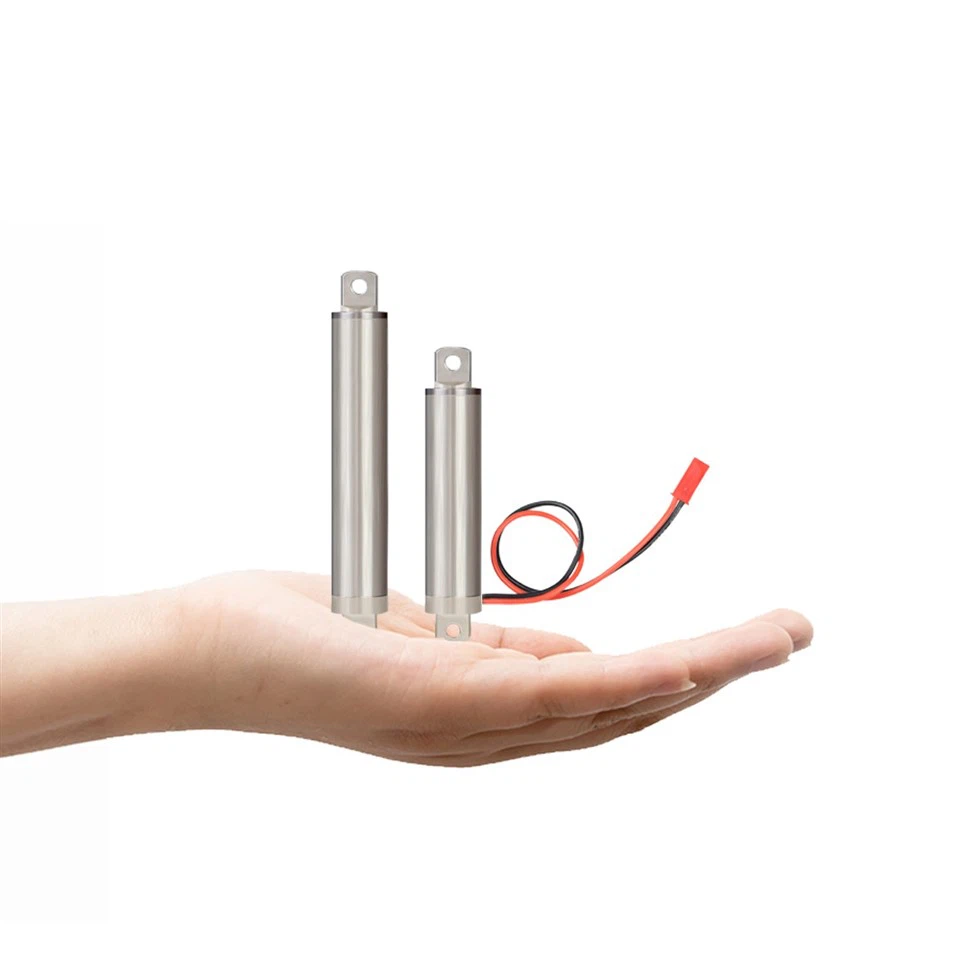
If you're in the market for a Linear Actuator 12V, I encourage you to contact us to discuss your specific requirements. Our team of experts can provide you with professional advice and help you choose the best actuator for your application. We offer a wide range of high-quality 12V DC linear actuators at competitive prices, and we're committed to providing excellent customer service.
References
- "Linear Actuators: Principles, Design, and Applications" by John Doe
- "DC Motors and Drives" by Jane Smith
- Manufacturer's specifications of various 12V DC linear actuators