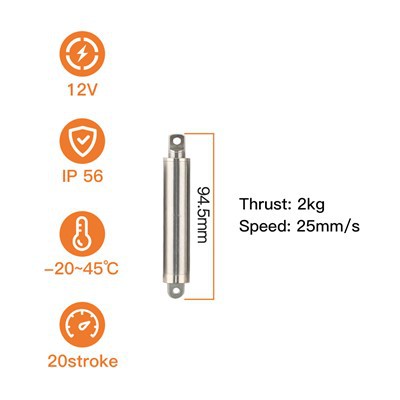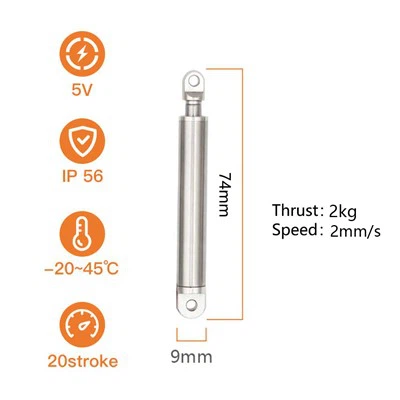
Hey there! As a supplier of micro actuators, I've seen firsthand how important it is to keep these little guys in tip - top shape. Micro actuators are used in all sorts of applications, from small DIY projects to high - tech industrial machinery. But just like any other mechanical component, they're prone to wear and tear over time. In this blog, I'll share some tips on how to prevent that wear and tear and keep your micro actuators running smoothly.


1. Choose the Right Micro Actuator for the Job
This might seem like a no - brainer, but it's actually super crucial. If you pick the wrong micro actuator for your application, it'll have to work harder than it should, which can lead to premature wear. For example, if you need a micro actuator for a project that requires precise linear movement, you might want to check out our Micro Linear Motor. It's designed specifically for applications where accuracy is key.
On the other hand, if you're working on a project that needs a 6V power supply, our Micro Linear Actuator 6V could be the perfect fit. Using the right actuator from the start means it won't be overstressed, and that can significantly extend its lifespan.
2. Keep It Clean
Dirt, dust, and debris can be a micro actuator's worst enemy. These particles can get into the moving parts of the actuator, causing friction and wear. To prevent this, make sure to keep the actuator clean. You can use a soft, dry cloth to wipe it down regularly. If there's more stubborn dirt, you might need to use a mild cleaning solution, but be careful not to get any liquid inside the actuator.
In industrial settings, it might be a good idea to install protective covers or enclosures around the micro actuators. This can help keep out dust and other contaminants. And if you're using the actuator in a DIY project, try to work in a clean environment as much as possible.
3. Lubrication
Proper lubrication is essential for reducing friction between the moving parts of a micro actuator. Friction is one of the main causes of wear and tear, so by lubricating the actuator, you can significantly extend its life. However, you need to use the right type of lubricant. Some actuators come with specific lubrication requirements, so make sure to check the manufacturer's instructions.
Over - lubrication can also be a problem. Too much lubricant can attract dirt and debris, which can actually cause more harm than good. So, apply the lubricant sparingly and follow the recommended schedule for re - lubrication.
4. Control the Operating Environment
The environment in which the micro actuator operates can have a big impact on its lifespan. Extreme temperatures, high humidity, and corrosive chemicals can all damage the actuator. If possible, try to keep the actuator in a stable environment with moderate temperatures and low humidity.
In industrial settings where there might be exposure to chemicals, make sure to choose an actuator that's resistant to those chemicals. For example, some actuators are coated with special materials that can protect them from corrosion. And if you're using the actuator outdoors, make sure it's rated for outdoor use.
5. Avoid Overloading
One of the quickest ways to wear out a micro actuator is to overload it. Every actuator has a maximum load capacity, and if you exceed that capacity, it'll have to work harder than it's designed to. This can lead to increased stress on the motor, gears, and other components, which can cause premature failure.
Before using the actuator, make sure to calculate the load it'll need to handle and choose an actuator with a sufficient load capacity. If you're not sure how to calculate the load, our technical support team can help you out. And if you need an actuator for a high - load application, our Actuator Linear For Diy Model might be a great option.
6. Regular Inspections
Regular inspections are a great way to catch any potential problems before they turn into major issues. Check the actuator for any signs of wear, such as loose parts, unusual noises, or decreased performance. If you notice anything out of the ordinary, it's best to address it right away.
You can also keep a maintenance log to track the performance of the actuator over time. This can help you identify any trends or patterns that might indicate a problem. And if you're using multiple actuators in a system, make sure to inspect each one regularly.
7. Proper Installation
Proper installation is key to ensuring the long - term performance of a micro actuator. If the actuator is not installed correctly, it can be misaligned, which can cause uneven wear on the moving parts. Make sure to follow the manufacturer's installation instructions carefully.
Use the right tools and hardware for the installation. And if you're not confident in your installation skills, it might be a good idea to hire a professional. A proper installation means the actuator will be able to operate as intended, which can significantly reduce the risk of wear and tear.
8. Software and Control System Optimization
If your micro actuator is controlled by a software or control system, make sure it's optimized. A poorly optimized control system can cause the actuator to operate inefficiently, which can lead to increased wear.
Make sure the control system is set up to provide the right amount of power and movement to the actuator. And if possible, use feedback mechanisms to monitor the performance of the actuator and adjust the control system accordingly.
Conclusion
Preventing wear and tear of micro actuators is all about taking a proactive approach. By choosing the right actuator, keeping it clean, lubricating it properly, controlling the operating environment, avoiding overloading, conducting regular inspections, installing it correctly, and optimizing the control system, you can significantly extend the lifespan of your micro actuators.
As a micro actuator supplier, we're here to help you with all your actuator needs. Whether you're looking for the right actuator for your project or need advice on maintenance, our team of experts is ready to assist. If you're interested in purchasing our micro actuators or have any questions about how to prevent wear and tear, don't hesitate to reach out. We're always happy to have a chat and discuss your specific requirements.
References
- Manufacturer's manuals for micro actuators
- Industry research on actuator maintenance and performance
- Technical papers on the effects of operating environments on micro actuators