In the dynamic landscape of modern engineering, micro linear motors have emerged as pivotal components, driving innovation across a multitude of industries. As a trusted supplier of Micro Linear Motor, I am frequently asked about the concept of compliance in these remarkable devices. In this blog post, I aim to demystify the compliance of a micro linear motor, exploring its significance, influencing factors, and real - world implications.


Understanding the Basics of Micro Linear Motors
Before delving into compliance, it is essential to have a clear understanding of what a micro linear motor is. A micro linear motor is a compact, high - precision device that converts electrical energy directly into linear motion. Unlike traditional rotary motors that rely on mechanical transmissions to produce linear movement, micro linear motors offer a more direct and efficient solution. They are characterized by their small size, high speed, and excellent positioning accuracy, making them ideal for applications where space is limited and precision is paramount, such as in medical devices, semiconductor manufacturing, and aerospace technology.
Defining Compliance in Micro Linear Motors
Compliance, in the context of a micro linear motor, refers to the motor's ability to deform or deflect under an applied force while maintaining its overall functionality. It is a measure of the motor's flexibility and its response to external loads. A compliant micro linear motor can adapt to variations in the operating environment, such as uneven surfaces or changing loads, without sacrificing performance.
Compliance is often described in terms of stiffness, which is the inverse of compliance. A stiff motor has low compliance and resists deformation, while a compliant motor has high flexibility and can easily adapt to external forces. The appropriate level of compliance for a micro linear motor depends on the specific application requirements.
Significance of Compliance in Micro Linear Motors
Adaptability to the Environment
In many real - world applications, micro linear motors are exposed to various environmental factors that can affect their performance. For example, in a robotic assembly line, the motor may encounter uneven surfaces or misaligned components. A compliant motor can adjust to these irregularities, ensuring smooth and continuous operation. This adaptability reduces the risk of mechanical failures and extends the lifespan of the motor.
Force Control
Compliance also plays a crucial role in force control applications. In tasks such as precision machining or delicate material handling, it is essential to control the force exerted by the motor accurately. A compliant motor can absorb and distribute forces more effectively, allowing for better force control and reducing the likelihood of damage to the workpiece or the motor itself.
Vibration Damping
Micro linear motors can generate vibrations during operation, which can affect the accuracy and stability of the system. A compliant motor can act as a natural damper, absorbing and dissipating vibrations. This helps to reduce noise levels and improve the overall performance of the system, especially in high - speed applications.
Factors Influencing the Compliance of Micro Linear Motors
Material Properties
The materials used in the construction of a micro linear motor have a significant impact on its compliance. For example, motors made from flexible polymers or elastomers tend to have higher compliance compared to those made from rigid metals. The choice of materials also affects the motor's durability, strength, and thermal properties.
Structural Design
The design of the motor's structure can also influence its compliance. Motors with a more open or flexible structure, such as those with a spring - like mechanism, are generally more compliant. On the other hand, motors with a rigid and compact design may have lower compliance but offer higher stiffness and precision.
Operating Conditions
The operating conditions, such as temperature, humidity, and load, can also affect the compliance of a micro linear motor. For example, high temperatures can cause materials to expand and become more flexible, increasing the motor's compliance. Similarly, heavy loads can cause the motor to deform more easily, altering its compliance characteristics.
Real - World Applications of Compliant Micro Linear Motors
Medical Devices
In the medical field, compliant micro linear motors are used in a variety of applications, such as surgical robots and drug delivery systems. In surgical robots, the motor's compliance allows for more precise and delicate movements, reducing the risk of damage to surrounding tissues. In drug delivery systems, compliance helps to ensure accurate dosing and smooth operation.
Semiconductor Manufacturing
Semiconductor manufacturing requires high - precision equipment that can operate in a clean and controlled environment. Compliant micro linear motors are used in wafer handling systems and lithography machines. Their ability to adapt to small variations in the manufacturing process helps to improve the quality and yield of semiconductor products.
Aerospace Technology
In aerospace applications, micro linear motors are used in actuators for flight control surfaces and satellite positioning systems. The compliance of these motors allows them to withstand the harsh environmental conditions of space and adapt to the dynamic forces experienced during flight.
Comparing Different Types of Micro Linear Motors Based on Compliance
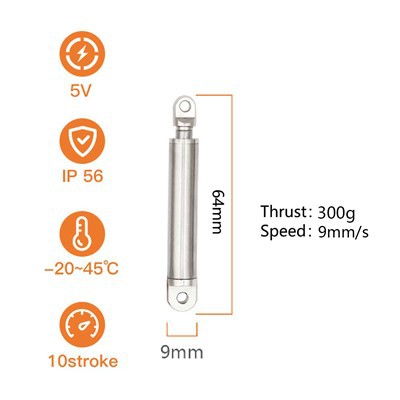
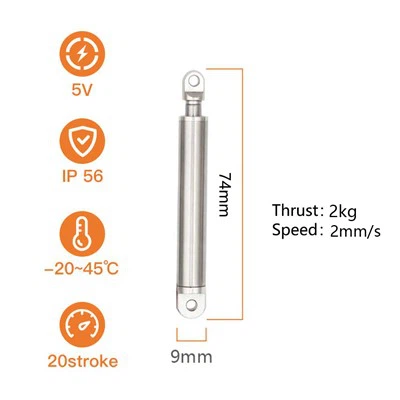
There are several types of micro linear motors available on the market, each with its own compliance characteristics. For example, Actuator Linear For Diy Model is designed for hobbyists and DIY projects. These motors typically have a relatively high compliance, making them easy to use and adapt to different setups.
On the other hand, Micro Electric Actuator is often used in industrial applications where high precision and stiffness are required. While these motors may have lower compliance compared to DIY models, they offer excellent performance and reliability in demanding environments.
How to Select the Right Micro Linear Motor Based on Compliance
When selecting a micro linear motor, it is crucial to consider the compliance requirements of the specific application. Here are some key factors to keep in mind:
Application Requirements
Understand the nature of the application, including the type of load, the operating environment, and the required precision. For applications that require high flexibility and adaptability, a more compliant motor may be suitable. For applications that demand high stiffness and precision, a less compliant motor may be a better choice.
Performance Specifications
Review the motor's performance specifications, such as stiffness, force capacity, and speed. These specifications can provide valuable insights into the motor's compliance characteristics and its suitability for the application.
Cost - Benefit Analysis
Consider the cost - benefit ratio of the motor. While a more compliant motor may offer better performance in some applications, it may also be more expensive. Evaluate the trade - off between cost and performance to make an informed decision.
Conclusion
The compliance of a micro linear motor is a critical factor that affects its performance, adaptability, and suitability for different applications. As a supplier of Micro Linear Motor, I understand the importance of providing motors with the right level of compliance to meet the diverse needs of our customers.
Whether you are in the medical, semiconductor, or aerospace industry, or involved in DIY projects, choosing the right micro linear motor based on compliance can significantly enhance the performance and reliability of your system. If you are interested in learning more about our micro linear motors or have specific requirements for your application, I encourage you to contact us for a detailed discussion and to explore the possibilities of procurement. Our team of experts is ready to assist you in finding the perfect solution for your needs.
References
- "Linear Motors: Principles, Design, and Applications" by Thomas Kenjo
- "Micro - Actuators and Microsensors" by Hiroyuki Fujita
- Industry reports on micro linear motor technology and applications