If you’ve ever worked with DC linear actuators—whether for automated gates, medical equipment, agricultural conveyors, or even DIY project rigs—you know how much they take for granted until they stop working mid-job. I’m gonna be real with you, as someone who’s been a DC Linear Actuator supplier for over a decade, the most common question I get isn’t “which actuator should I buy?” it’s “how do I make this thing last longer?” I’ve seen actuators die after 6 months of light use, and others chug along for 8+ years in harsh industrial settings, and the difference isn’t always the price tag (though that plays a part). Today I’m breaking down the practical, science-backed stuff you can do to extend your DC linear actuator’s lifespan—no fancy tech degree required, just consistent habits and a little attention to detail.
First, let’s start with the basics that most people skip: matching the actuator to your actual job. I can’t tell you how many times someone comes to me with a “too cheap” actuator they grabbed off a general hardware site, claiming it’s for “light-duty” use, but then they’re running it 12 hours a day pushing 2x its rated load. Actuators have a specific “dynamic load rating” (that’s the max load they can move while extending/retracting) and “static load rating” (the max load they can hold when stopped). For example, if you’re lifting a 100lb workbench, you don’t want a 50lb rated actuator—you’ll be burning out the motor and gears every single time you use it.
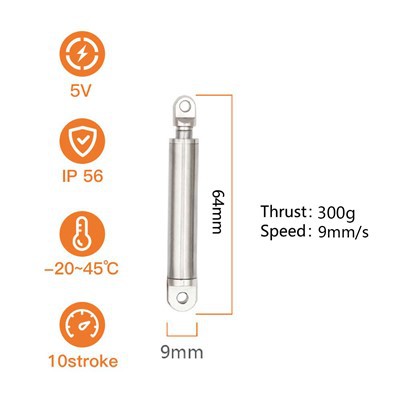
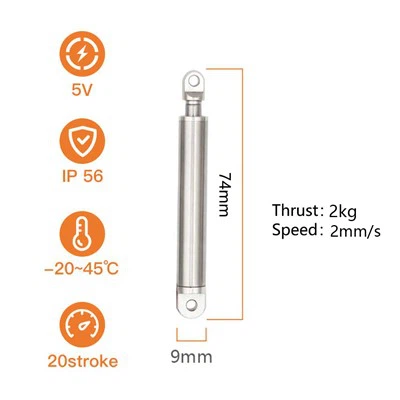
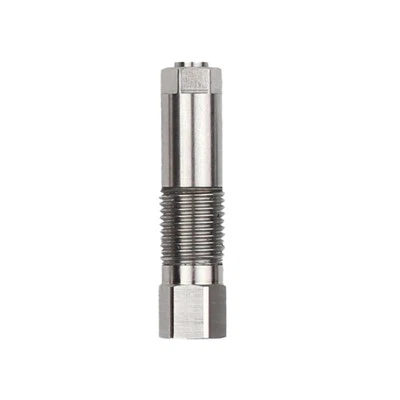
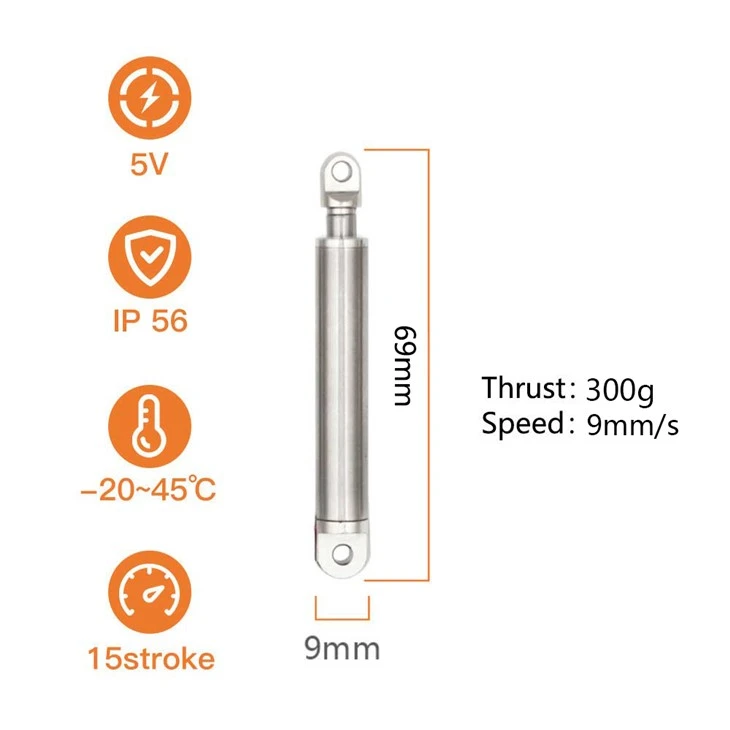
Here’s another big one: not all actuators are built for the same environments. If you’re mounting an actuator on a farm (exposed to dust, rain, fertilizer dust) or a marine application (saltwater spray), you need to look for ruggedized options like the Stainless Steel Linear Actuator. Standard actuators with plastic gears and mild steel casings will corrode, get gunked up, and seize within months if you expose them to those conditions. Even if you’re working indoors, climate control matters—actuators don’t do well in extreme heat (that breaks down the lubricant inside) or freezing cold (it stiffens lubricant and strains the motor). If you’re working in a sub-zero warehouse, look for actuators with low-temperature rated grease; I’ve got a line of options built for that, so feel free to check out our Dc Linear Actuator page for environment-specific specs.
Next up: proper installation, which is way more than just screwing two brackets on. Most actuator failures are caused by misalignment—like if you mount the actuator so the push rod is at a weird angle when extended, that puts sideways stress on the rod, gears, and motor. Over time, that extra friction wears down components way faster than the rated cycle life. I always tell customers to use the mounting hardware we send, or matched U brackets, to keep the push rod perfectly parallel to the load it’s moving. Also, never over-tighten the end brackets—tight until they’re snug, then a quarter turn more. I’ve seen guys crank them down so hard they bend the push rod, and that’s a one-way ticket to early death. Oh, and leave a little “dead zone” at both ends of the actuator’s stroke—like if it’s rated for 12 inches of travel, don’t extend it all the way to the end of the housing every time. Running it to the physical limit strains the motor, and some cheaper actuators don’t have internal stops, so you’ll burn out the motor before you know it.

Now, the part most people ignore: regular maintenance. It’s not like changing your oil every 3 months, but a quick check every month (or every 100 hours of use, whichever comes first) will save you from replacing a $500 actuator. First, clean the push rod—wipe it down with a soft cloth and a little mild soap (no harsh chemicals, that’ll eat away the protective coating) to get rid of dust, dirt, or debris that can scratch the rod. Scratches on the push rod let moisture in, leading to rust, and also increase friction as the rod slides in and out. Then, lubricate the gear assembly—wait, don’t just use any WD-40! That’s a penetrant, not a lubricant, and it evaporates way too fast. Use a high-quality lithium grease or actuator-specific lubricant, and only a small amount—too much grease will attract dirt and create a sticky mess that slows down the actuator. If you have a linear motor actuator, some are sealed for life, but still, give the push rod a quick wipe every few weeks to keep it moving smooth. If you’re unsure what kind of lubricant works for your model, reach out to our team—we’re happy to help, no tech jargon, promise.
Another big one: controlling the power. DC linear actuators run on low voltage, so voltage spikes or drops are the #1 cause of motor failure. If you’re using a 12V actuator, don’t plug it into a 24V supply—even a few seconds of that will burn out the winding in the motor. And if you’re running multiple actuators off the same power source, make sure the power supply can handle the total current draw. For example, our 6 Volt Linear Actuator with Remoteactuators has a max current draw of 3A, so if you run two of them, you need a 6A power supply, not a 4A. Also, never let the actuator stall—stalling is when the motor keeps running but the push rod can’t move, which creates excess heat that melts the motor’s wiring. That’s why limit switches are non-negotiable for most applications. Limit switches cut the power when the actuator reaches the end of its stroke, so it doesn’t stall. Even if you think you’ll never run it all the way out, things can shift—like a load gets heavier, or a bracket comes loose—and the limit switch saves the motor. If you’re using a remote-operated actuator, double-check that the remote has a built-in shutoff for when you release the button, not just a timer.
Wait, what about speed? I get a lot of questions about Fast Linear Actuators, and while they’re perfect for applications where you need quick movement (like automated doors), running a fast actuator all the time on a heavy load will put extra stress on the gears and motor. Faster speed means more friction, more heat, more wear on the internal components. If you don’t need that speed, go for a standard or medium-speed actuator—they last longer because they don’t have to work as hard to move the same load. Don’t get me wrong, our fast line is great for the right job, but matching speed to your need is key.
Also, let’s talk about load cycles. Every actuator has a duty cycle—usually written as a percentage, like 25% or 50%. That means it can only run for that percentage of a 10-minute period. A 25% duty cycle means 2.5 minutes on, 7.5 minutes off to cool down. If you run it continuously, you’ll overheat the motor and burn out the windings. For example, if you’re using an actuator for a conveyor belt that runs 8 hours a day, you need a 100% duty cycle actuator, not a 25% one. I’ve seen guys use a small actuator for a conveyor, run it all day, and it dies in a week because they didn’t check the duty cycle. That’s a basic spec that’s often overlooked, but it’s critical for long life.
Now, let’s get into the little things that add up. If your actuator is exposed to sunlight (say, mounted on an outdoor sign or a gate), use a UV-resistant cover or get an actuator with a UV-protective coating. Sunlight breaks down the plastic and rubber parts over time, making them brittle. If you’re using it in a dusty environment (like a sawmill or construction site), add a bellows cover to the push rod— that keeps dust and debris out of the housing, preventing scratches and friction. For stainless steel actuators, even though they’re corrosion-resistant, wiping off saltwater after use (if it’s a marine application) will prevent any kind of pitting that can start early corrosion.
Wait, what about electrical connections? Loose wires or corroded terminals can cause resistance, which creates heat and affects the motor’s performance. Every 3 months, check all the wire connections for tightness, and if they’re corroded, gently clean them with a wire brush or electrical contact cleaner—no sandpaper, that leaves tiny scratches that cause more corrosion. If you’re using a remote, make sure the battery is fresh; a dying battery can cause inconsistent power, which is bad for the actuator.
I’ve got a story to back all this up. A few years ago, a customer came to me with three actuators he’d bought from another supplier for his greenhouse vents. They were light-duty, 25% duty cycle, and he was running them 12 hours a day opening and closing vents. They all died in 6 months. I sold him our Dc Linear Actuator line with 100% duty cycle, UV-resistant coatings, and limit switches. Now, two years later, he’s still using them without any issues—no maintenance, just the occasional wipe down. That’s the difference between matching the right actuator to the job and skipping the basics.
Another thing: when it comes time to extend or retract, don’t force it. If the actuator is moving slowly or making a weird grinding noise, stop immediately and figure out why. Is it misaligned? Is there debris? Is the load too heavy? Forcing it will only make the problem worse. Most people wait until it’s completely dead to fix it, but catching small issues early saves a ton of money in the long run.
Let me wrap this up with a quick checklist you can use right now:
- Confirm dynamic/static load matches your job, plus duty cycle and environment.
- Mount correctly, align with load, leave dead zone at stroke ends.
- Check electrical supply (voltage, current) is matched to your actuator.
- Do monthly quick maintenance: wipe push rod, clean connections, check limit switches.
- Use the right lubricant (not WD-40) for gear assemblies.
- Add protective covers if exposed to dust, sun, or moisture.
At the end of the day, extending the lifespan of your DC linear actuator isn’t rocket science—it’s about paying attention to the details and choosing the right parts for your specific needs. If you’re not sure which actuator is right for your application, or you need more info on our lines, we’re here to help. Whether you need a rugged stainless steel model for marine use, a fast linear motor actuator for automated systems, or a reliable 6 Volt Linear Actuator with Remoteactuators for small projects, we’ve got options built to last. Just reach out to our team to chat through your needs, no sales pressure, just real advice from someone who’s been in the actuator game for years.
References
- Linear Actuator Technology: Selection, Application, and Maintenance Guide. Motion Control Association, 2021.
- Industrial Linear Actuator Durability and Performance Testing. Journal of Mechatronics and Industrial Applications, vol. 12, no. 2, 2022, pp. 45-58.
- Environmental Factors Impacting Actuator Lifespan: A Field Study. Industrial Equipment Maintenance Journal, vol. 8, no. 4, 2023, pp. 112-120.