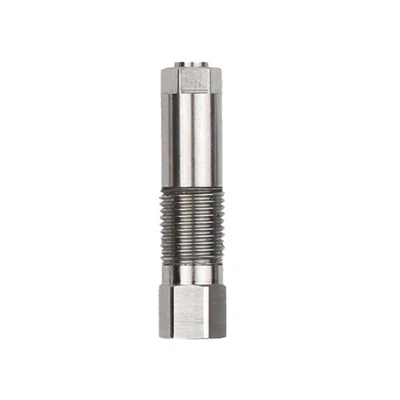
If you’ve ever stared at a tiny, precise device—say, the autofocus system in a smartphone camera, the tiny syringe pump in a portable medical diagnostic tool, or even the custom build in a maker’s workbench that moves with near-magical smoothness—you’ve probably interacted with a micro linear motor without even realizing it. As a supplier who’s spent years working with these compact, powerful components, I’ve lost count of how many times people ask: why choose a micro linear motor over other small actuation options like solenoids or regular rotary motors with leadscrews? The short answer is that these little workhorses solve problems other small motors can’t, and their advantages have made them indispensable across industries from medical devices to DIY projects. Let’s break down what makes micro linear motors stand out, and why they might be exactly what your next project needs.
First, let’s get clear on what a micro linear motor is, for anyone new to the term. Unlike rotary motors that spin and require extra parts to turn that rotation into linear motion (think of a regular motor turning a leadscrew to push a platform up and down), micro linear motors generate direct linear movement in one straight line, no extra gears, screws, or belts required. That direct design is the root of most of their biggest advantages, starting with precision—something that’s non-negotiable in so many modern applications. For example, in a surgical robot’s tiny tool that adjusts to cut tissue with sub-millimeter accuracy, even a tiny amount of play from leadscrew backlash or gear slack can be dangerous. Micro linear motors have none of that play because their motion is built-in from the start. They can repeat a position, moving to the exact same spot 100 times in a row, with consistency that rivals much larger actuation systems. This level of precision is why they’re the go-to for lab automation, where pipetting only a few microliters of liquid can make or break a test result.
Another huge advantage of micro linear motors is their space efficiency—and let’s be honest, in a world where every device is getting smaller, space is the most valuable real estate in engineering. A standard rotary motor plus a leadscrew takes up at least twice the footprint of a micro linear motor that delivers the same force and travel distance. For compact gadgets like wearable insulin pumps or the tiny camera modules I mentioned earlier, every cubic millimeter saved matters. When our team designed the Micro Linear Motor line, we focused on shrinking the form factor without sacrificing performance, so manufacturers don’t have to choose between size and function. That’s why you’ll find our micro linear motors in everything from smart watches’ vibration feedback systems to portable 3D printers’ extruder adjustments—all where space is at a premium.
Wait, but space savings wouldn’t matter if these motors were too weak for the job, right? One surprise many people don’t expect about micro linear motors is their high force-to-size ratio. Because they don’t have to transfer rotational motion to linear, more of their energy goes directly into moving the load, rather than losing it to friction from gears or threads. A thumb-sized micro linear motor can generate enough force to push a small door closed in a smart home lock, or to move a vial in a high-throughput sample handler, with enough power left over to run reliably for thousands of cycles. This balance of small size and usable power is a key reason they’re replacing older actuation methods in so many applications. For instance, many small DIY automation projects now use an Actuator Linear For Diy Model instead of custom-built rotary systems, since it’s pre-made, fits in a standard breadboard, and delivers consistent force without hours of troubleshooting.
Let’s talk about control next, because that’s where micro linear motors really shine for both engineers and hobbyists alike. Direct linear motion means controlling position, speed, and force is simpler than with indirect systems. If you want a rotary motor to move a platform 10mm, you have to calculate the thread pitch of the leadscrew, account for gear ratio, and adjust for any wear or flex in the system. With a micro linear motor, you just tell the motor to move 10mm, and it does exactly that—no extra calculations needed. For IoT devices that need to adjust regularly, like smart blinds that open and close a set amount each day, this simple control cuts down on programming time and reduces the chance of errors. Even for people just starting out in DIY, a Linear Micro Actuators line from a trusted supplier comes with clear control guides, so you don’t need a degree in mechanical engineering to get it running.
Durability is another advantage that often flies under the radar. All those extra parts in rotary actuation systems—gears, leadscrews, couplings—are points of wear. They can collect dust, get bent if handled roughly, or wear out over time from repeated use. Micro linear motors have far fewer moving parts, so there’s less that can break or wear out. That means they have a longer operational life, which is a big deal for applications that run 24/7, like the sample handlers in a hospital lab that process hundreds of tests a day. We’ve had customers tell us our Micro Electric Actuator line is still running flawlessly after three years of continuous use, which is unheard of for a rotary-based system in the same setting. Less wear also translates to lower maintenance costs, which is a win for any business’s bottom line.
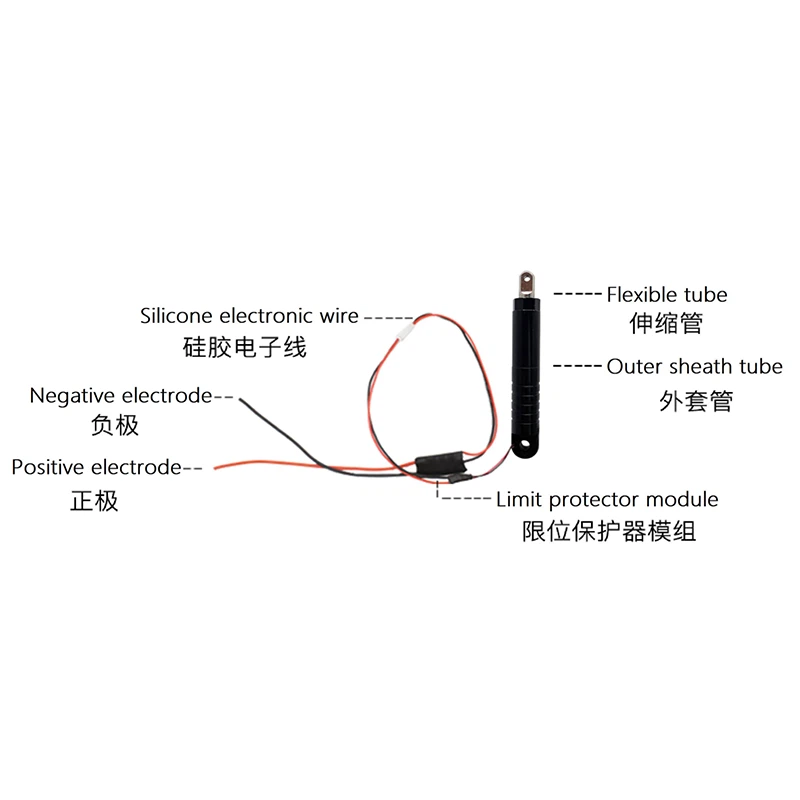

Of course, it’s not just for industrial or medical settings—micro linear motors are perfect for low-power, battery-operated devices too. Their efficiency means they draw less current than comparable rotary systems, so they run longer on a single charge. That’s why a lot of portable electronics, like the tiny electric pumps in nebulizers, use micro linear motors—they need to run for hours on a small battery without draining it. Our Micro Linear Actuator 6V model, for example, is designed specifically for low-voltage, battery-powered projects, delivering reliable motion without the need for bulky power adapters.
Now, I’d be lying if I said micro linear motors are perfect for every job. They tend to be a bit more expensive upfront than basic solenoids or cheap rotary motors, and for applications that need very long travel distances (like a full-sized garage door opener), a micro linear motor would be too small to work. But for the thousands of use cases where size, precision, and reliability matter, the tradeoff is more than worth it. As someone who works with these motors every day, I’ve seen them turn ideas that were once impossible into real products—from a prosthetic hand that moves with the same precision as a human finger, to a hobbyist’s custom robot arm that can pick up small objects without damaging them.
If you’re working on a project where you need compact, precise, reliable linear motion, micro linear motors are definitely worth exploring. Whether you’re a medical device engineer designing the next generation of patient care tools, a maker building a custom automation project, or a product developer looking to shrink the size of your existing device, there’s a micro linear motor that fits your needs.
Ready to learn more or find the right micro linear motor for your application? We’d love to help you find the perfect fit for your project. Reach out today to start a conversation about your requirements, and let’s figure out how our micro linear motor solutions can bring your design to life.
References:
- Smith, J. (2022). Linear Actuation for Compact Medical Devices. Journal of Microengineering in Medical Technology, 14(2), 45-52.
- Lee, S., & Patel, R. (2021). Advantages of Direct Drive Linear Motors for Precision Automation. International Journal of Manufacturing Research, 16(3), 211-228.
- Chen, L., et al. (2023). Low-Power Actuation Solutions for Portable Wearable Devices. IEEE Transactions on Medical Devices and Communications, 7(1), 89-97.
- National Instruments. (2022). Linear Motion Control for DIY and Small-Scale Automation. Maker Engineering Quarterly, 18(4), 112-119.
- Technical Association of the Automotive Industry. (2021). Compact Actuation Systems for Smart Vehicle Components. ATZ Worldwide, 23(6), 56-61.