Hey there, astronomy enthusiasts and DIY tinkerers! I'm a supplier of 12V linear actuators, and I often get asked if these nifty little devices can be used for telescope mounts. Well, let's dive right into it and find out if a 12V linear actuator is the right fit for your stargazing setup.
What's a 12V Linear Actuator Anyway?
First things first, let's quickly go over what a 12V linear actuator is. It's a device that converts rotational motion into linear motion, and it runs on a 12-volt power supply. These actuators are pretty versatile and can be found in all sorts of applications, from robotics to home automation. They're known for their simplicity, reliability, and ease of use.
The Basics of Telescope Mounts
Before we decide if a 12V linear actuator can work for a telescope mount, we need to understand what a telescope mount does. A telescope mount is essentially the base that holds your telescope and allows you to move it around to point at different objects in the sky. There are two main types of mounts: alt-azimuth and equatorial.
- Alt-azimuth mounts: These are the simplest type of mounts. They allow you to move the telescope up and down (altitude) and left and right (azimuth). They're easy to set up and use, making them a great choice for beginners.
- Equatorial mounts: These mounts are a bit more complex. They're designed to follow the rotation of the Earth, which makes it easier to track celestial objects as they move across the sky. They're more commonly used by advanced amateur astronomers and professionals.
Can a 12V Linear Actuator Work for a Telescope Mount?
The short answer is yes, a 12V linear actuator can be used for a telescope mount. However, there are a few things you need to consider before you go ahead and start building your own mount.


1. Load Capacity
One of the most important factors to consider is the load capacity of the actuator. Your telescope can be quite heavy, especially if you have a larger model with additional accessories like cameras and filters. You need to make sure that the actuator you choose can handle the weight of your telescope. Most 12V linear actuators have a load capacity ranging from a few kilograms to several hundred kilograms. Make sure you pick one that can comfortably support your telescope.
2. Precision and Smoothness of Movement
When you're looking at celestial objects, you need your telescope to move smoothly and precisely. Any jerks or sudden movements can make it difficult to focus and track objects. Some 12V linear actuators are designed to provide very smooth and precise movement, while others may be a bit more rough. Look for an actuator with a high-quality gearbox and a low backlash design to ensure smooth operation.
3. Speed of Movement
The speed at which your actuator can move is also important. You want to be able to move your telescope quickly to find new objects, but you also need to be able to make small, precise adjustments. Some actuators allow you to adjust the speed of movement, which can be very useful.
4. Durability and Weather Resistance
Telescopes are often used outdoors, which means they're exposed to the elements. Your actuator needs to be durable and weather-resistant to ensure it can withstand the conditions. Look for actuators that are made from high-quality materials and have a good IP rating (Ingress Protection) to protect against dust and water.
Advantages of Using a 12V Linear Actuator for a Telescope Mount
There are several advantages to using a 12V linear actuator for your telescope mount:
- Cost-effective: 12V linear actuators are generally more affordable than some of the specialized telescope mount motors on the market. This makes them a great option if you're on a budget.
- Easy to Install: These actuators are relatively easy to install, especially if you have some basic DIY skills. You don't need to be a professional engineer to set up a 12V linear actuator for your telescope mount.
- Versatile: You can use a 12V linear actuator to create a custom telescope mount that suits your specific needs. You can design it to fit your telescope perfectly and add any additional features you want.
Some Recommended 12V Linear Actuators
If you're interested in using a 12V linear actuator for your telescope mount, here are a few options you might want to consider:
- 12V Actuator Motor: This is a popular choice for many DIY telescope mount projects. It offers a good balance of load capacity, precision, and speed.
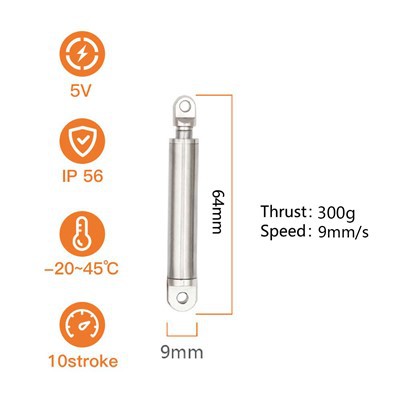
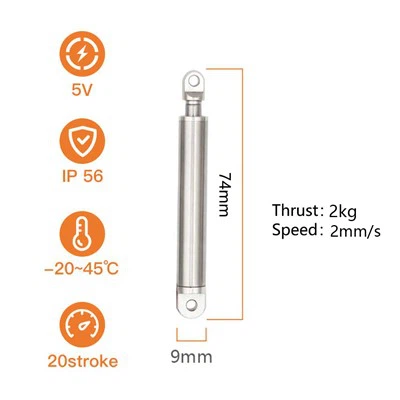
- Miniature Linear Motor: If you have a smaller telescope or want a more compact mount, this miniature linear motor could be a great option. It's small, lightweight, and still provides smooth and precise movement.
- 12 Volt Dc Actuator: This actuator is known for its durability and weather resistance, making it a good choice for outdoor use.
Building Your Own Telescope Mount with a 12V Linear Actuator
If you're up for the challenge, building your own telescope mount with a 12V linear actuator can be a fun and rewarding project. Here's a basic step-by-step guide to get you started:
- Design Your Mount: First, you need to design your mount. Decide which type of mount you want to build (alt-azimuth or equatorial) and sketch out your design. Make sure you take into account the size and weight of your telescope.
- Gather Your Materials: Once you have your design, gather all the materials you need. This includes the 12V linear actuator, a power supply, a control board, and any other components you need for your mount.
- Build the Frame: Build the frame of your mount using wood, metal, or plastic. Make sure it's sturdy and can support the weight of your telescope.
- Install the Actuator: Install the 12V linear actuator on the frame according to your design. Make sure it's securely attached and aligned properly.
- Connect the Power Supply and Control Board: Connect the power supply and control board to the actuator. This will allow you to control the movement of the actuator.
- Test Your Mount: Once everything is installed, test your mount to make sure it works properly. Make any adjustments as needed.
Contact Us for Your 12V Linear Actuator Needs
If you're interested in using a 12V linear actuator for your telescope mount or any other project, I'd love to hear from you. As a supplier of high-quality 12V linear actuators, I can help you find the right actuator for your needs. Whether you're a beginner or an experienced DIYer, I'm here to provide you with the support and advice you need.
Just reach out to me, and we can start discussing your project requirements. Let's work together to make your telescope mount dreams a reality!
References
- "Astronomy for Dummies" by Stephen P. Maran
- "DIY Telescope Making" by various online resources