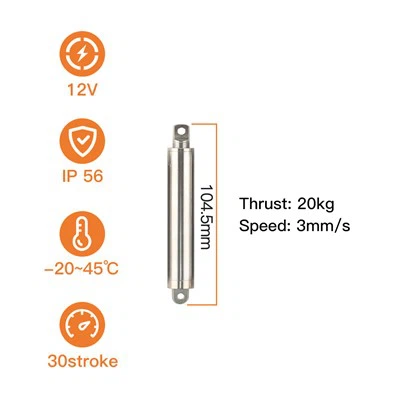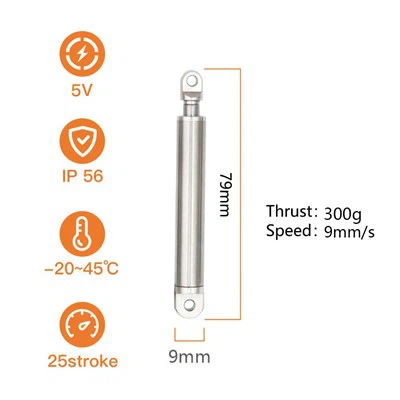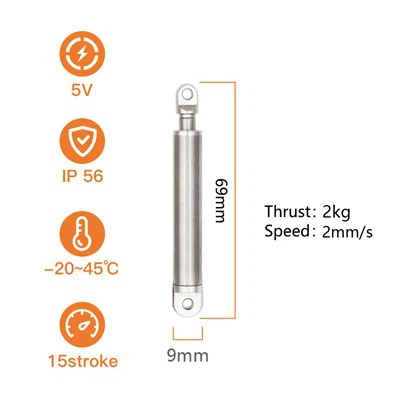
Hey there! As a supplier of 12V actuator motors, I often get asked about the best type of battery to pair with these motors. It's a crucial question because the right battery can significantly impact the performance and lifespan of your actuator motor. So, let's dive into the different types of batteries and figure out which one is the most suitable for your 12V actuator motor.
First off, let's understand what an actuator motor does. A 12V actuator motor is designed to convert electrical energy into mechanical motion. It's commonly used in various applications, such as automotive, industrial automation, and home appliances. These motors require a stable and reliable power source to operate efficiently, and that's where the battery comes in.
Now, let's take a look at the different types of batteries available for 12V actuator motors.
Lead - Acid Batteries
Lead - acid batteries are one of the oldest and most widely used types of batteries. They're relatively inexpensive and can provide a high amount of current, which is great for actuator motors that need a sudden burst of power. There are two main types of lead - acid batteries: flooded and sealed.
Flooded lead - acid batteries have a liquid electrolyte that needs to be periodically checked and topped up with distilled water. They're often used in applications where cost is a major factor, like in some industrial settings. However, they require regular maintenance and can be messy if the electrolyte spills.
Sealed lead - acid batteries, on the other hand, are maintenance - free. They come in two subtypes: Absorbent Glass Mat (AGM) and Gel Cell. AGM batteries use a fiberglass mat to hold the electrolyte, while Gel Cell batteries use a gel - like substance. Both types are spill - proof and can be mounted in different positions, which is a big advantage for some actuator motor applications.
One of the downsides of lead - acid batteries is their relatively short lifespan compared to other battery types. They also have a lower energy density, which means they're heavier and bulkier for the same amount of stored energy.
Lithium - Ion Batteries
Lithium - ion batteries have gained a lot of popularity in recent years due to their high energy density, long lifespan, and low self - discharge rate. They're lighter and smaller than lead - acid batteries, making them a great choice for applications where space and weight are a concern.
Lithium - ion batteries can provide a consistent voltage output, which is important for the smooth operation of actuator motors. They also have a fast charging time, allowing you to get your actuator motor up and running quickly. However, they're more expensive than lead - acid batteries, and they require a special charging circuit to prevent overcharging and over - discharging.
Another thing to note is that lithium - ion batteries can be sensitive to high temperatures. If they're exposed to extreme heat, it can reduce their lifespan and even pose a safety risk. So, if you're using lithium - ion batteries in an environment with high temperatures, you'll need to take extra precautions.
Nickel - Metal Hydride (NiMH) Batteries
NiMH batteries are a good middle - ground between lead - acid and lithium - ion batteries. They have a higher energy density than lead - acid batteries and are more affordable than lithium - ion batteries. NiMH batteries are also more environmentally friendly than lead - acid batteries because they don't contain toxic lead.
They can handle a relatively high number of charge - discharge cycles, which is important for actuator motors that are used frequently. However, NiMH batteries have a higher self - discharge rate than lithium - ion batteries, which means they'll lose their charge faster when not in use. They also require a proper charging algorithm to prevent overcharging.
Which Battery is Right for Your 12V Actuator Motor?
The choice of battery depends on several factors, including the application, budget, and performance requirements of your actuator motor.
If you're on a tight budget and need a battery that can provide a high amount of current, a lead - acid battery might be the way to go. They're a tried - and - true option, especially for industrial applications where cost is a major concern.
If you're looking for a lightweight and long - lasting battery, and you're willing to spend a bit more, a lithium - ion battery is a great choice. They're ideal for applications where space and weight are limited, such as in some automotive or portable devices.
For those who want a balance between cost and performance, NiMH batteries are a good option. They offer decent energy density and a reasonable lifespan at a more affordable price.
Considerations for Battery Selection
Apart from the type of battery, there are other factors you need to consider when choosing a battery for your 12V actuator motor.
Capacity: The battery capacity is measured in ampere - hours (Ah). A higher capacity battery will be able to power your actuator motor for a longer time. You need to calculate the power consumption of your actuator motor and choose a battery with a capacity that can meet your needs.
Voltage: Make sure the battery voltage matches the voltage requirements of your actuator motor. In this case, you're looking for a 12V battery.
Discharge Rate: The discharge rate indicates how quickly the battery can deliver its stored energy. Actuator motors often require a high discharge rate, especially during startup. Make sure the battery you choose can handle the discharge rate required by your motor.
Temperature Range: Different batteries perform differently in different temperature ranges. If your actuator motor will be used in an environment with extreme temperatures, choose a battery that can operate within that temperature range.
Conclusion
Choosing the right battery for your 12V actuator motor is crucial for its performance and longevity. Whether you go for a lead - acid, lithium - ion, or NiMH battery, make sure to consider the application, budget, and performance requirements. And always remember to follow the manufacturer's recommendations for battery installation, charging, and maintenance.
If you're in the market for a 12V actuator motor or need more information about battery selection, don't hesitate to reach out. We're here to help you make the best choice for your specific needs. And if you're also interested in 24V Actuator, 24 Volt Actuator, or 24Vdc Linear Actuator, we've got you covered too.
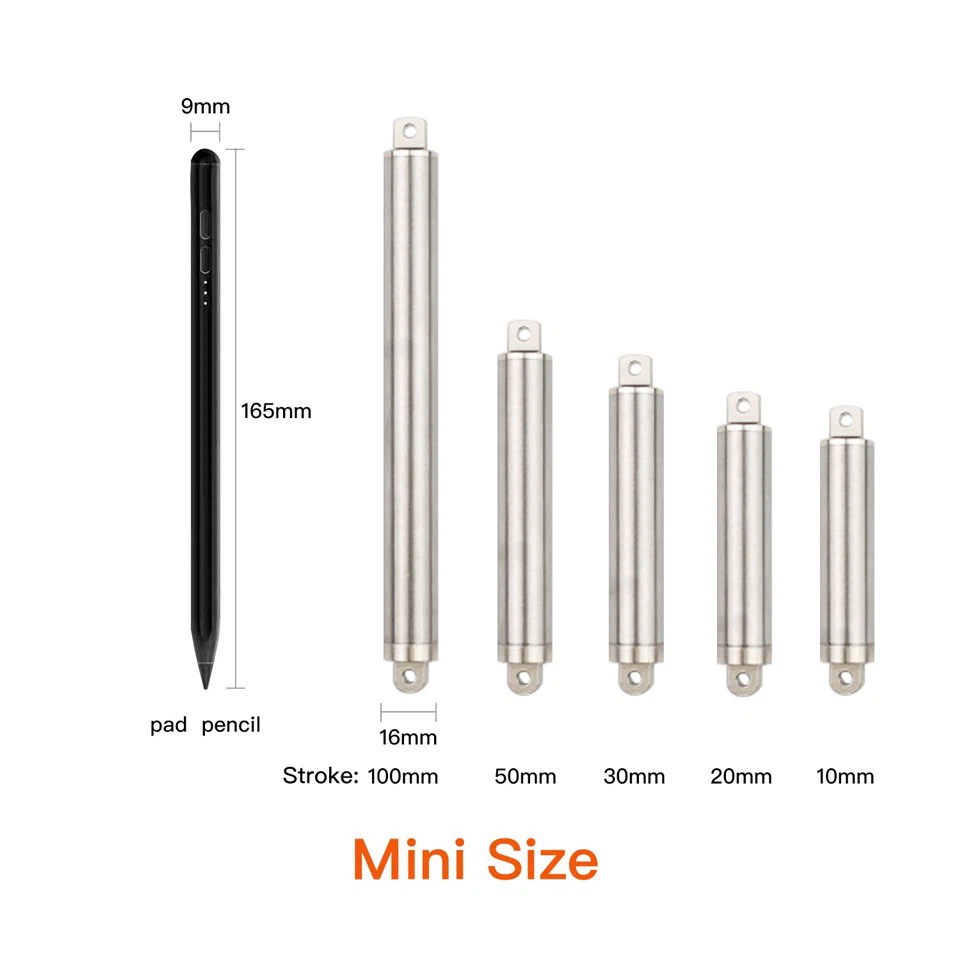

We're eager to engage in discussions with you about your requirements and explore how our products can fit into your projects. Feel free to start a conversation with us to get more details and begin the procurement process.
References
- Battery University: A comprehensive resource for battery knowledge.
- Manufacturer's datasheets for 12V actuator motors and batteries.