Miniature linear motors are highly specialized devices that offer precise linear motion in a compact form. As a supplier of these advanced motors, I understand the importance of ensuring that they operate under the right environmental conditions to achieve optimal performance and longevity. In this blog post, I will delve into the environmental factors that are suitable for miniature linear motors, providing insights based on industry knowledge and practical experience.
Temperature
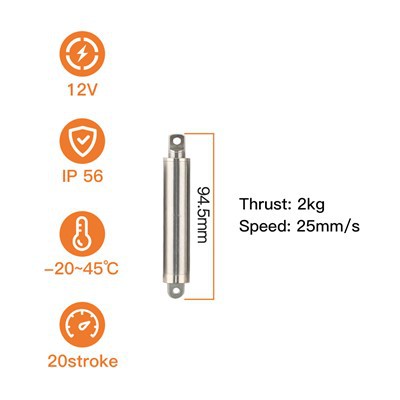
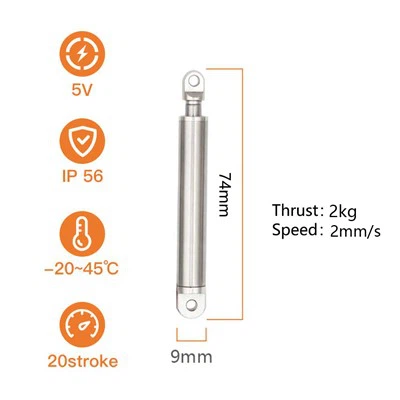
Temperature is one of the most critical environmental factors affecting the performance of miniature linear motors. These motors are designed to operate within a specific temperature range, typically between -20°C and 60°C. Operating outside this range can lead to a variety of issues, including reduced efficiency, increased wear and tear, and even permanent damage to the motor.
At low temperatures, the viscosity of the lubricants used in the motor increases, which can impede the smooth movement of the motor's components. This can result in increased friction, reduced speed, and decreased accuracy. In extreme cases, the lubricants may solidify, causing the motor to seize up.
On the other hand, high temperatures can cause the motor's materials to expand, which can lead to misalignment and increased stress on the motor's components. This can result in reduced efficiency, increased noise, and premature failure of the motor. Additionally, high temperatures can accelerate the degradation of the motor's insulation, increasing the risk of electrical shorts and other safety hazards.
To ensure optimal performance, it is essential to maintain the temperature within the recommended range. This can be achieved through proper ventilation, cooling systems, and insulation. In some cases, it may be necessary to use temperature sensors to monitor the motor's temperature and adjust the operating conditions accordingly.
Humidity
Humidity is another important environmental factor that can affect the performance of miniature linear motors. High humidity levels can cause corrosion and oxidation of the motor's components, which can lead to reduced efficiency, increased wear and tear, and premature failure of the motor. Additionally, high humidity can cause the motor's insulation to absorb moisture, increasing the risk of electrical shorts and other safety hazards.
To prevent the effects of humidity, it is essential to keep the motor in a dry environment. This can be achieved through proper ventilation, dehumidifiers, and moisture barriers. In some cases, it may be necessary to use protective coatings or seals to prevent moisture from entering the motor.
Dust and Particles
Dust and particles can also have a significant impact on the performance of miniature linear motors. These contaminants can accumulate on the motor's components, causing increased friction, reduced efficiency, and premature wear and tear. Additionally, dust and particles can clog the motor's ventilation system, reducing the effectiveness of the cooling system and increasing the risk of overheating.
To prevent the effects of dust and particles, it is essential to keep the motor in a clean environment. This can be achieved through proper filtration, regular cleaning, and the use of protective enclosures. In some cases, it may be necessary to use air purifiers or vacuum systems to remove dust and particles from the air.
Vibration and Shock
Vibration and shock can also affect the performance of miniature linear motors. These forces can cause misalignment, increased stress on the motor's components, and premature failure of the motor. Additionally, vibration and shock can cause the motor's electrical connections to loosen, increasing the risk of electrical shorts and other safety hazards.
To prevent the effects of vibration and shock, it is essential to mount the motor securely and use vibration-damping materials. Additionally, it is important to avoid subjecting the motor to excessive vibration or shock during operation. In some cases, it may be necessary to use shock absorbers or other protective devices to reduce the impact of vibration and shock on the motor.

Electrical Noise
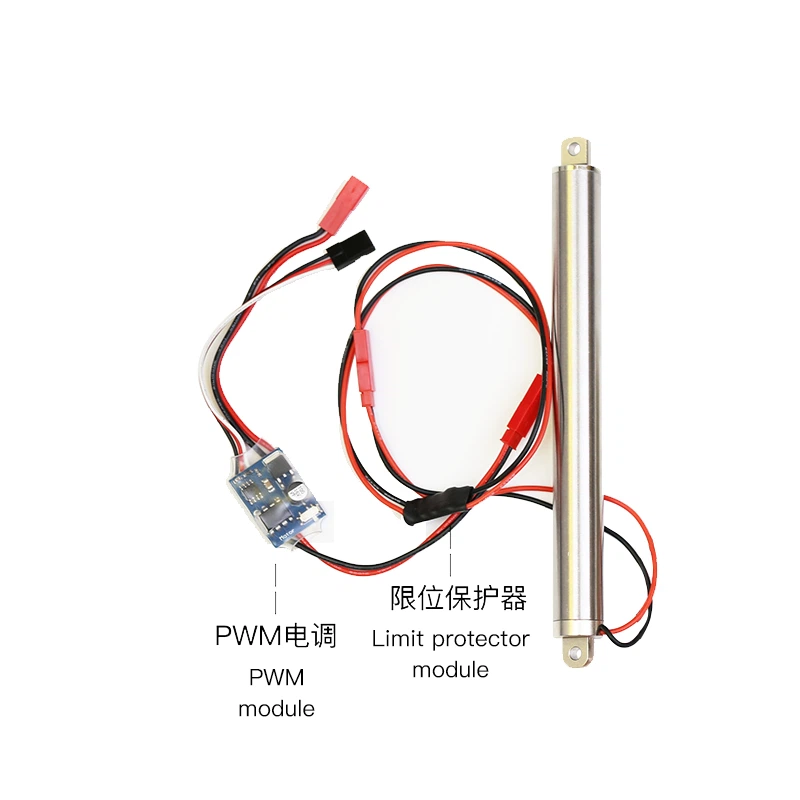
Electrical noise can also have a significant impact on the performance of miniature linear motors. This noise can interfere with the motor's control signals, causing inaccurate positioning and reduced efficiency. Additionally, electrical noise can cause the motor's electrical components to overheat, increasing the risk of premature failure.
To prevent the effects of electrical noise, it is essential to use proper grounding and shielding techniques. Additionally, it is important to use high-quality electrical components and cables to reduce the amount of electrical noise generated by the motor. In some cases, it may be necessary to use filters or other noise-reducing devices to eliminate electrical noise from the motor's control signals.
Conclusion
In conclusion, miniature linear motors are highly specialized devices that require specific environmental conditions to operate effectively. Temperature, humidity, dust and particles, vibration and shock, and electrical noise are all important factors that can affect the performance and longevity of these motors. As a supplier of miniature linear motors, I recommend that customers carefully consider these environmental factors when selecting and installing these motors. By ensuring that the motors are operated under the right conditions, customers can achieve optimal performance, reduce maintenance costs, and extend the lifespan of the motors.
If you are interested in learning more about our miniature linear motors or have any questions about the environmental conditions suitable for these motors, please feel free to [initiate a contact for procurement discussions]. Our team of experts is always ready to assist you in finding the right solution for your specific needs.
References
- Groover, M. P. (2010). Automation, Production Systems, and Computer-Integrated Manufacturing. Prentice Hall.
- Krause, P. C., Wasynczuk, O., & Sudhoff, S. D. (2013). Analysis of Electric Machinery and Drive Systems. Wiley.
- Miller, T. J. E. (2001). Brushless Permanent-Magnet and Reluctance Motor Drives. Clarendon Press.