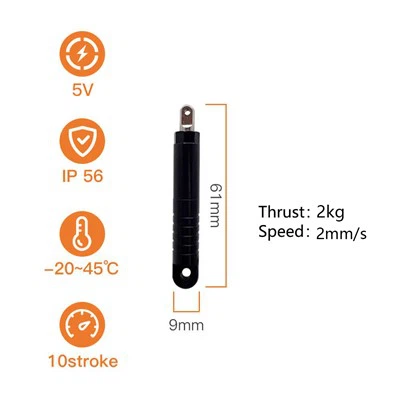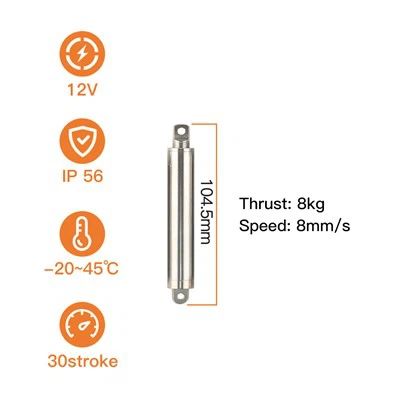
As a supplier of DC linear actuators, I often receive inquiries about the noise level of these devices. Noise can be a critical factor, especially in applications where a quiet environment is essential, such as in medical equipment, home automation, or high - end office furniture. In this blog, I will delve into what the noise level of a DC linear actuator is, the factors that influence it, and how to manage and reduce it.
Understanding Noise Level in DC Linear Actuators
The noise level of a DC linear actuator is typically measured in decibels (dB). It represents the sound pressure level produced by the actuator during its operation. A lower decibel value indicates a quieter actuator. For reference, a whisper is around 30 dB, normal conversation is about 60 dB, and a vacuum cleaner can reach up to 70 - 80 dB.
In the context of DC linear actuators, noise levels can range from as low as 40 dB to upwards of 60 dB, depending on various factors. Actuators used in noise - sensitive applications are often designed to operate at the lower end of this range.
Factors Affecting the Noise Level of DC Linear Actuators
1. Motor Design
The motor is the heart of a DC linear actuator, and its design significantly impacts the noise level. Brushless DC motors generally produce less noise compared to brushed DC motors. Brushed motors have physical brushes that make contact with the commutator, which can create electrical and mechanical noise. The friction between the brushes and the commutator generates sparks and vibrations, leading to audible noise. On the other hand, brushless motors use electronic commutation, eliminating the need for brushes and reducing noise.
2. Gear System
Most DC linear actuators use a gear system to convert the rotational motion of the motor into linear motion. The type and quality of the gears play a crucial role in noise generation. Plastic gears are often quieter than metal gears because they have less metal - to - metal contact, which reduces the transmission of vibrations and noise. However, plastic gears may have limitations in terms of load - carrying capacity and durability. Helical gears are also known for their quiet operation compared to spur gears. Helical gears have teeth that are angled, which results in a more gradual engagement and disengagement, reducing the impact and noise during operation.
3. Load and Speed
The load applied to the actuator and its operating speed can also affect the noise level. Higher loads require the motor to work harder, which can increase the noise output. Similarly, when the actuator operates at high speeds, the mechanical components experience more stress and vibrations, leading to louder noise. It is important to select an actuator with a suitable load - capacity rating for the application and to operate it within its recommended speed range to minimize noise.
4. Mounting and Installation
Proper mounting and installation of the DC linear actuator are essential for reducing noise. If the actuator is not mounted securely, it can vibrate against the mounting surface, creating additional noise. Using vibration - damping materials, such as rubber pads or isolators, can help absorb the vibrations and reduce noise transmission. Additionally, ensuring that the actuator is properly aligned with the load and the mechanical components it is connected to can prevent unnecessary stress and noise.
Measuring the Noise Level of DC Linear Actuators
To accurately measure the noise level of a DC linear actuator, a sound level meter is used. The measurement should be taken in a quiet environment to minimize background noise interference. The actuator should be operated under normal working conditions, with the load and speed set to the typical values for the intended application. The sound level meter should be placed at a specific distance from the actuator, usually around 1 meter, and at ear - level to simulate the position of a human observer.
Managing and Reducing the Noise Level of DC Linear Actuators
1. Selecting the Right Actuator
When choosing a DC linear actuator, consider the noise requirements of your application. If a quiet operation is crucial, opt for actuators with brushless motors and high - quality gear systems. For example, our Dc Linear Actuator series offers a range of options with different noise levels to suit various applications.
2. Lubrication
Proper lubrication of the moving parts in the actuator can significantly reduce noise. Lubricants help reduce friction between the gears, bearings, and other mechanical components, which in turn reduces vibrations and noise. Regular maintenance and lubrication can ensure the long - term quiet operation of the actuator.
3. Enclosure and Soundproofing
Using an enclosure around the actuator can help contain the noise. The enclosure can be made of materials that absorb or reflect sound, such as acoustic foam or metal. Soundproofing the surrounding area where the actuator is installed can also be effective in reducing the perceived noise level.
Applications and Noise Requirements
1. Medical Equipment
In medical equipment, such as hospital beds and patient lifts, a quiet actuator is essential to avoid disturbing patients. Noise levels in these applications are typically required to be below 50 dB. Our Electric Lift Cylinder is designed to meet these strict noise requirements, ensuring a quiet and comfortable environment for patients.

2. Home Automation
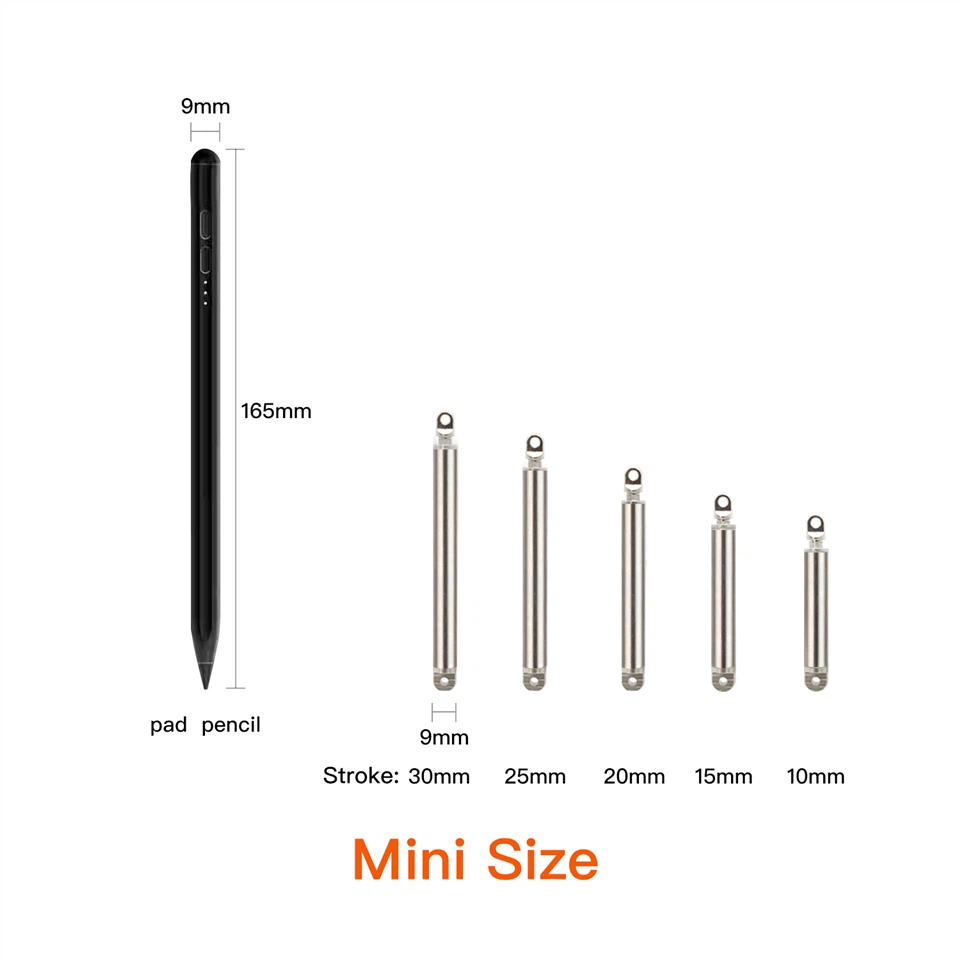
Home automation systems, including smart blinds, curtains, and adjustable furniture, also benefit from quiet actuators. Homeowners expect a seamless and quiet operation of these devices. Actuators used in home automation should have noise levels that are unobtrusive, preferably below 55 dB. Our Ip56 Linear Actuator is suitable for these applications, offering a balance between performance and noise reduction.
3. Industrial Automation
In industrial settings, the noise requirements may be less strict compared to medical or home applications. However, reducing noise can still improve the working environment for employees. Industrial actuators may operate at higher noise levels, but efforts should still be made to minimize noise through proper design and installation.
Conclusion
The noise level of a DC linear actuator is an important consideration in many applications. By understanding the factors that affect noise, measuring it accurately, and implementing appropriate noise - reduction strategies, we can ensure that the actuators meet the specific requirements of different applications. As a supplier of DC linear actuators, we are committed to providing high - quality products with low noise levels. If you have any questions about our products or need assistance in selecting the right actuator for your application, please feel free to contact us for a procurement discussion.
References
- Johnson, R. (2018). Linear Actuator Handbook. Mechanical Engineering Press.
- Smith, A. (2020). Noise Reduction Techniques in Electric Motors. Electrical Engineering Journal.
- Brown, C. (2019). Gear Design and Noise Optimization. Gear Technology Magazine.