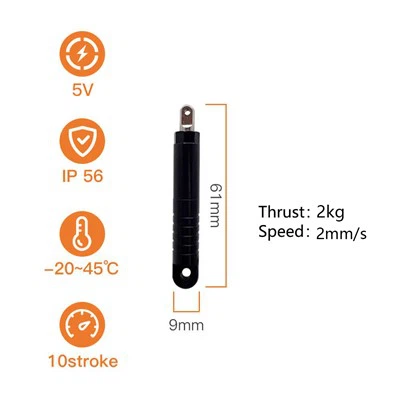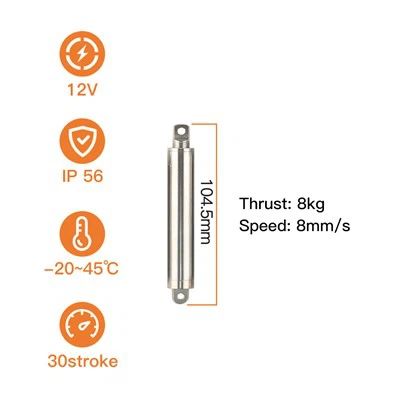
Hey there! As a supplier of 12V linear actuators, I often get asked if these actuators can be used for woodworking machines. Well, let's dive right into it and find out.
First off, what exactly is a 12V linear actuator? Simply put, it's a device that converts rotational motion into linear motion. It uses a 12 - volt power source to move an object in a straight line. These actuators are known for their compact size, relatively low power consumption, and ease of control.
Now, let's talk about woodworking machines. Woodworking machines come in all shapes and sizes, from small table - top routers to large industrial planers. Each machine has its own set of requirements when it comes to motion control. For example, a wood lathe might need precise and smooth linear movement to shape the wood evenly, while a band saw might require quick and accurate positioning of the blade.
So, can a 12V linear actuator fit the bill for woodworking machines? The answer is, it depends.
Advantages of Using a 12V Linear Actuator in Woodworking
1. Cost - Effective
One of the biggest advantages of 12V linear actuators is their cost. They are generally more affordable compared to higher - voltage actuators. If you're a hobbyist or a small - scale woodworker on a budget, a 12V actuator can be a great option. You can get a decent - quality actuator without breaking the bank, allowing you to invest more in other aspects of your woodworking setup.
2. Safety
Since 12V is a relatively low voltage, it poses less of a safety risk compared to higher - voltage systems. This is especially important in a woodworking environment where there might be a lot of moving parts and potential for accidental contact. With a 12V actuator, you can have peace of mind knowing that the risk of electrical shock is minimized.
3. Compact Size
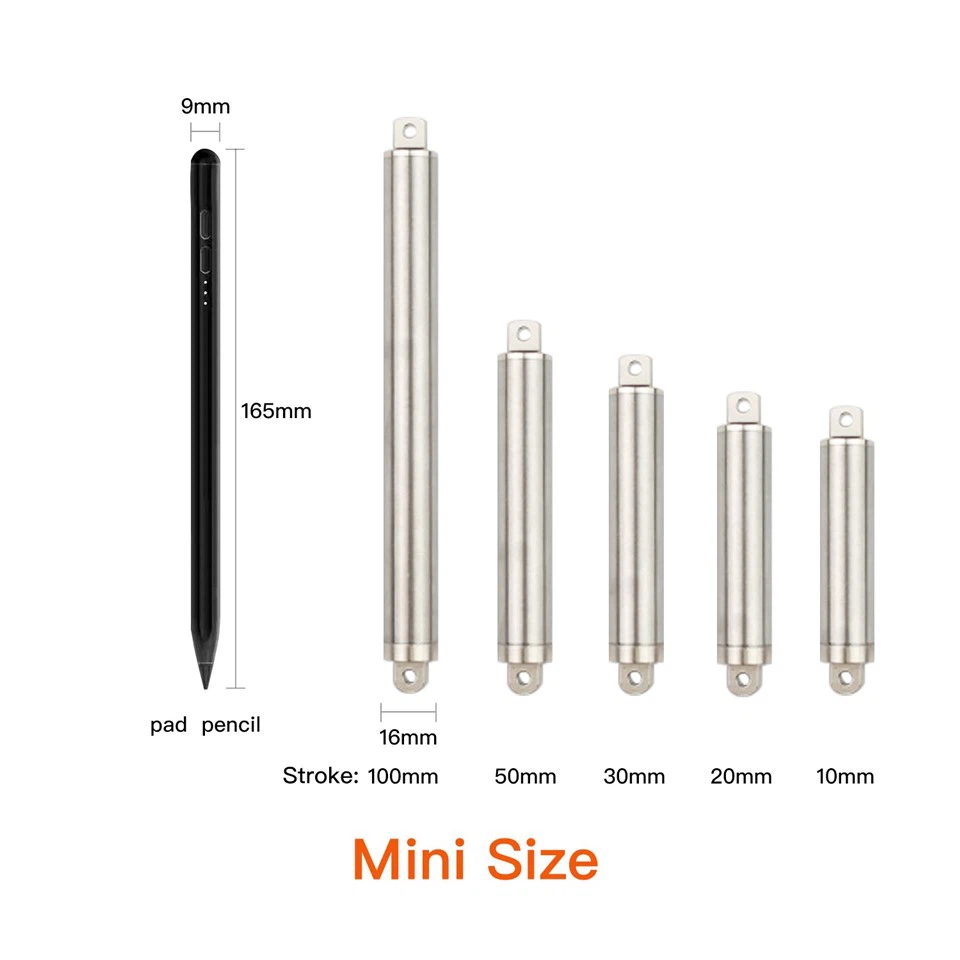
12V linear actuators are often compact in size. This makes them ideal for woodworking machines where space might be limited. For example, if you're building a custom - made woodworking jig, a small 12V actuator can be easily integrated into the design without taking up too much room.
4. Easy to Control
These actuators are relatively easy to control. You can use simple control circuits or even microcontrollers to regulate the movement of the actuator. This means that even if you're not an electronics expert, you can still use a 12V actuator in your woodworking projects.
Limitations of Using a 12V Linear Actuator in Woodworking
1. Limited Force Output
One of the main limitations of 12V linear actuators is their relatively low force output. Woodworking often involves cutting, shaping, and moving heavy pieces of wood. If your woodworking machine requires a high amount of force to operate, a 12V actuator might not be sufficient. For example, a large - scale industrial wood planer that needs to apply a significant amount of pressure to smooth the wood surface might need a more powerful actuator.
2. Speed Constraints
12V actuators typically have lower operating speeds compared to higher - voltage actuators. In some woodworking applications, such as rapid positioning of a tool or a workpiece, speed is crucial. If your woodworking machine requires fast movement, a 12V actuator might not be able to keep up.
Suitable Woodworking Applications for 12V Linear Actuators
1. Small - Scale Jigs and Fixtures
As mentioned earlier, the compact size and cost - effectiveness of 12V linear actuators make them perfect for small - scale jigs and fixtures. For example, you can use a 12V actuator to create an adjustable stop for a table saw. This allows you to quickly and accurately set the cutting length of the wood.
2. Automated Feed Systems for Small Machines
If you have a small table - top woodworking machine, such as a mini - router or a small drill press, a 12V actuator can be used to create an automated feed system. This can improve the accuracy and consistency of your cuts, especially when working on repetitive tasks.
3. Tool Positioning in Hobbyist Machines
For hobbyist woodworking machines, a 12V actuator can be used to position tools such as routers or sanders. You can program the actuator to move the tool to specific positions, making it easier to create complex woodworking designs.
When to Consider Other Options
If your woodworking project requires high force, high speed, or continuous heavy - duty operation, you might want to consider other options. Actuator 24V, Linear Actuator 24V, or 24 Volt Actuator can provide more power and better performance in such situations. These higher - voltage actuators are designed to handle more demanding applications and can offer greater force output and faster operating speeds.
Conclusion
In conclusion, a 12V linear actuator can be a great choice for many woodworking applications, especially for hobbyists and small - scale woodworkers. Its cost - effectiveness, safety, compact size, and ease of control make it a versatile option. However, it's important to consider the specific requirements of your woodworking machine before making a decision. If you need high force or speed, you might want to explore higher - voltage alternatives.
If you're interested in purchasing 12V linear actuators for your woodworking projects or have any questions about their suitability, feel free to reach out. We're here to help you find the right actuator for your needs. Whether you're a seasoned woodworker or just starting out, we can provide you with the best solutions to take your woodworking to the next level.

References
- "Linear Actuators: Principles, Types, and Applications" - A technical guide on linear actuators.
- Woodworking magazines and online forums for real - world experiences of using actuators in woodworking.