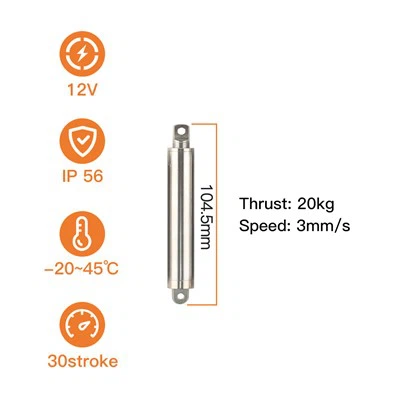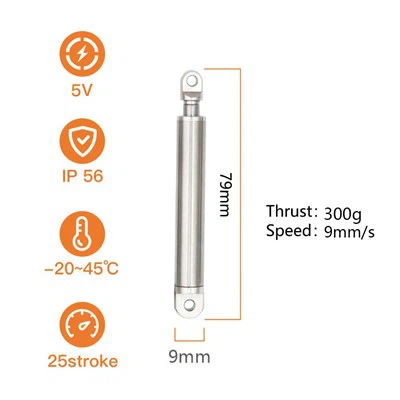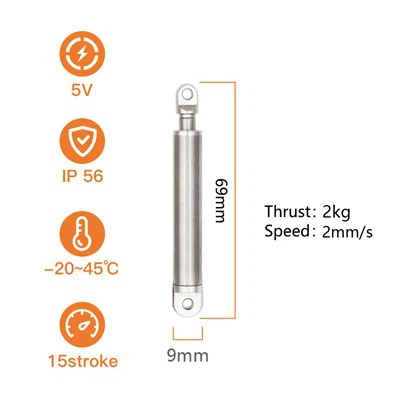
Hey there! As a supplier of micro actuators, I often get asked about the thermal characteristics of these nifty little devices. So, I thought I'd take a deep dive into this topic and share some insights with you all.
First off, let's talk about what micro actuators are. They're basically small - scale devices that can convert various forms of energy into mechanical motion. You can find them in all sorts of applications, from medical devices to consumer electronics.
Now, onto the thermal characteristics. One of the most important things to understand about micro actuators is how they generate and dissipate heat. When a micro actuator is in operation, it consumes energy, and a significant portion of this energy is converted into heat. This heat generation can have a big impact on the performance and lifespan of the actuator.
Heat Generation in Micro Actuators
The heat generation in micro actuators mainly comes from two sources: electrical resistance and friction.
Electrical Resistance
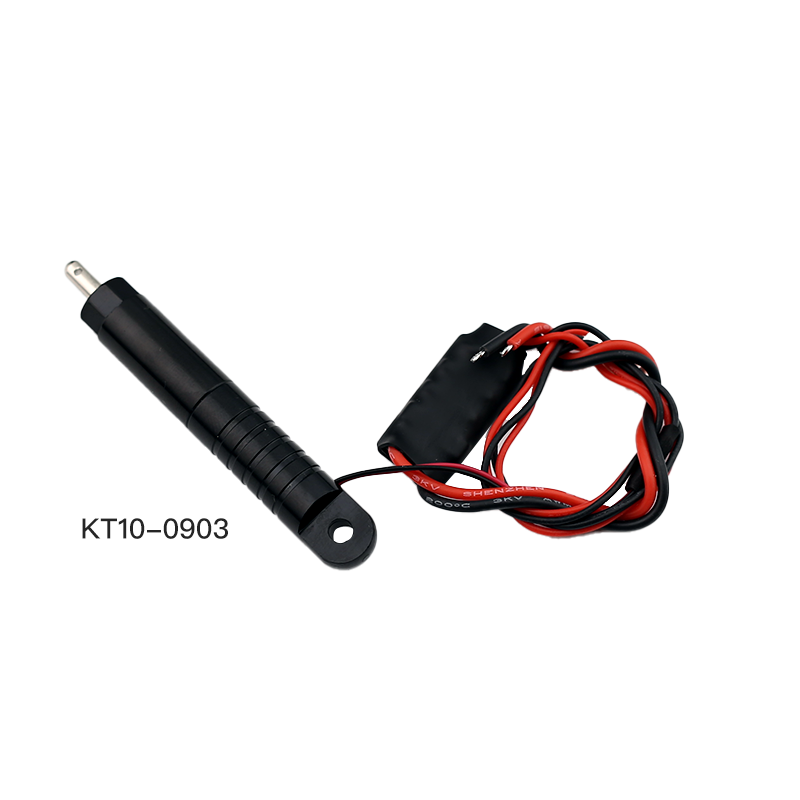
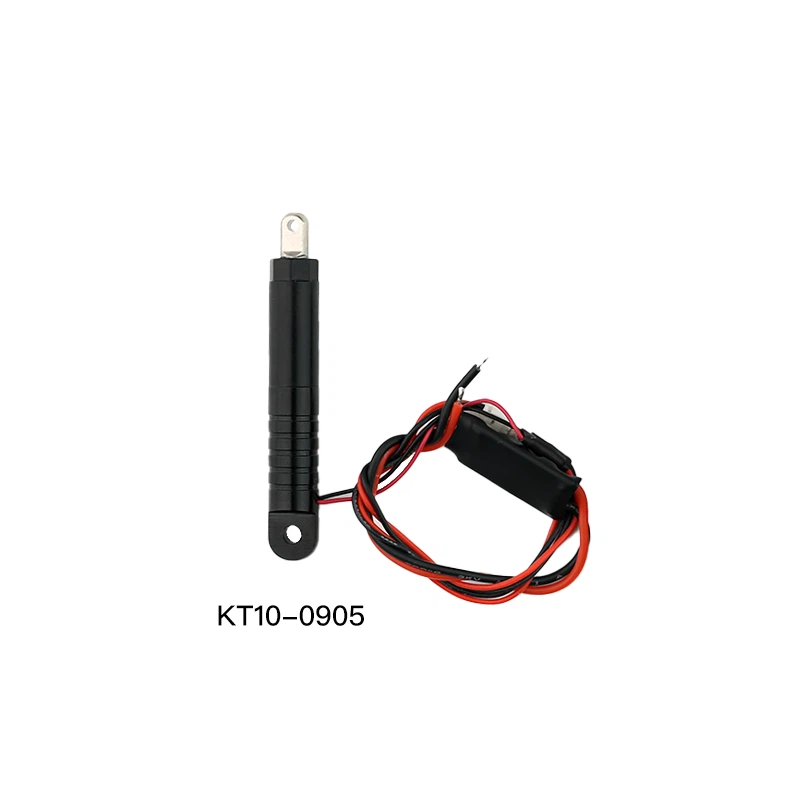
In electric micro actuators, like the Micro Electric Actuator, when an electric current passes through the conductive parts of the actuator, such as the coils in a motor, electrical resistance causes power loss in the form of heat. According to Joule's law, the power dissipated as heat (P) is given by the formula (P = I^{2}R), where (I) is the current and (R) is the resistance. So, the higher the current or the resistance, the more heat is generated.
For example, in a micro linear motor, which is a type of electric micro actuator, the coils have a certain resistance. When a large current is applied to generate a strong magnetic field for motion, a significant amount of heat is produced. This is why Micro Linear Motor designs often need to carefully balance the current requirements and the resistance of the coils to manage heat generation.
Friction
Friction also plays a major role in heat generation. In mechanical micro actuators, such as Linear Micro Actuators, there are moving parts that rub against each other. As these parts move, the friction between them converts mechanical energy into heat. For instance, in a screw - driven linear micro actuator, the threads of the screw and the nut interact, and the friction at this interface generates heat. The amount of heat generated due to friction depends on factors like the contact force between the moving parts, the surface roughness, and the speed of motion.
Effects of Heat on Micro Actuator Performance
The heat generated in micro actuators can have several negative effects on their performance.
Material Degradation
High temperatures can cause material degradation. For example, the insulation materials used in electric micro actuators can start to break down at elevated temperatures. This can lead to short - circuits, which not only damage the actuator but can also pose a safety risk. In addition, the mechanical properties of the materials used in the actuator, such as the strength and stiffness of metals and polymers, can change with temperature. A metal component that is strong and rigid at room temperature may become softer and more prone to deformation when heated, which can affect the accuracy and reliability of the actuator's motion.
Thermal Expansion
Thermal expansion is another issue. Different materials in the micro actuator expand at different rates when heated. This can cause misalignment between the moving parts. In a precision micro actuator, even a small amount of misalignment can lead to significant errors in motion. For example, in a micro - positioning stage, thermal expansion can cause the stage to move out of its intended position, reducing the accuracy of the positioning.
Reduced Efficiency
As the temperature of a micro actuator increases, its efficiency decreases. In an electric micro actuator, the increase in temperature can cause an increase in the resistance of the coils. According to the power formula (P = VI) (where (V) is the voltage and (I) is the current), for a fixed voltage, an increase in resistance leads to a decrease in current. Since the mechanical power output of the actuator is related to the current, the output power decreases, and more energy is wasted as heat. This means that the actuator has to consume more power to achieve the same level of performance, which is not only inefficient but also increases operating costs.
Thermal Management in Micro Actuators
To deal with the heat generation and its negative effects, thermal management is crucial. There are several strategies for thermal management in micro actuators.
Heat Sinks
Heat sinks are commonly used to dissipate heat from micro actuators. A heat sink is a device with a large surface area that is attached to the actuator. It absorbs the heat from the actuator and transfers it to the surrounding environment through convection. The heat sink can be made of materials with high thermal conductivity, such as aluminum or copper. For example, in a high - power micro electric motor, a heat sink can be attached to the motor housing to increase the heat dissipation rate.
Cooling Fans
In some cases, cooling fans are used in conjunction with heat sinks. The fans blow air over the heat sink, increasing the convective heat transfer coefficient. This helps to remove heat from the heat sink more quickly, reducing the temperature of the actuator. Cooling fans are often used in applications where the heat generation is relatively high, such as in industrial micro actuators that operate continuously at high loads.
Thermal Insulation
Thermal insulation can also be used to manage heat. By insulating certain parts of the actuator, the heat transfer to sensitive components can be reduced. For example, in a micro actuator that is part of a complex electronic system, thermal insulation can be used to prevent the heat from the actuator from affecting other nearby electronic components.
Conclusion
In conclusion, understanding the thermal characteristics of micro actuators is essential for their proper design, operation, and maintenance. The heat generation from electrical resistance and friction can have significant negative effects on the performance and lifespan of the actuators, including material degradation, thermal expansion, and reduced efficiency. However, with proper thermal management strategies such as heat sinks, cooling fans, and thermal insulation, these issues can be mitigated.
If you're in the market for high - quality micro actuators and want to learn more about how we can help you manage the thermal characteristics of your applications, feel free to reach out to us. We're here to provide you with the best solutions for your micro actuator needs. Let's start a conversation and see how we can work together to achieve your goals.
References
- Incropera, F. P., & DeWitt, D. P. (2002). Fundamentals of Heat and Mass Transfer. John Wiley & Sons.
- Mehta, S. K. (2010). Micro - electromechanical Systems (MEMS): Design and Modeling. Cambridge University Press.