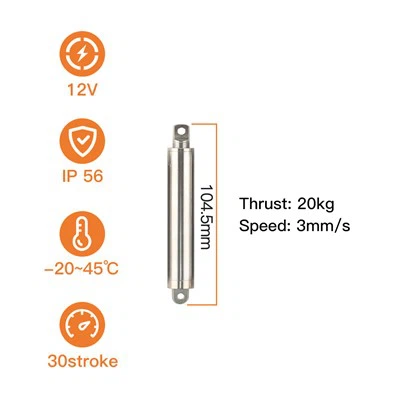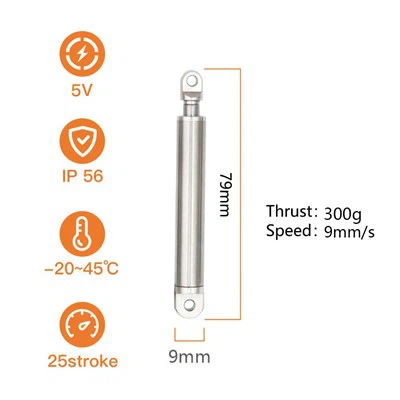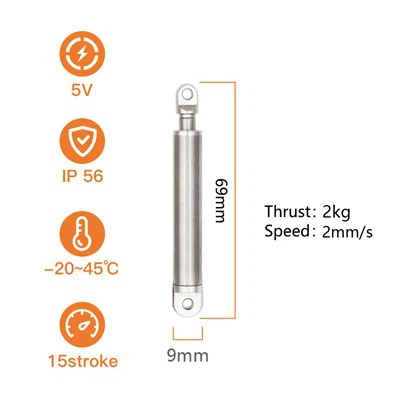
Hey there! As a supplier of Tiny Linear Actuators, I've seen my fair share of issues with these little powerhouses overheating. It's a common problem that can lead to reduced performance, shorter lifespan, and even complete failure of the actuator. But don't worry, I'm here to share some tips on how to prevent overheating and keep your Tiny Linear Actuator running smoothly.

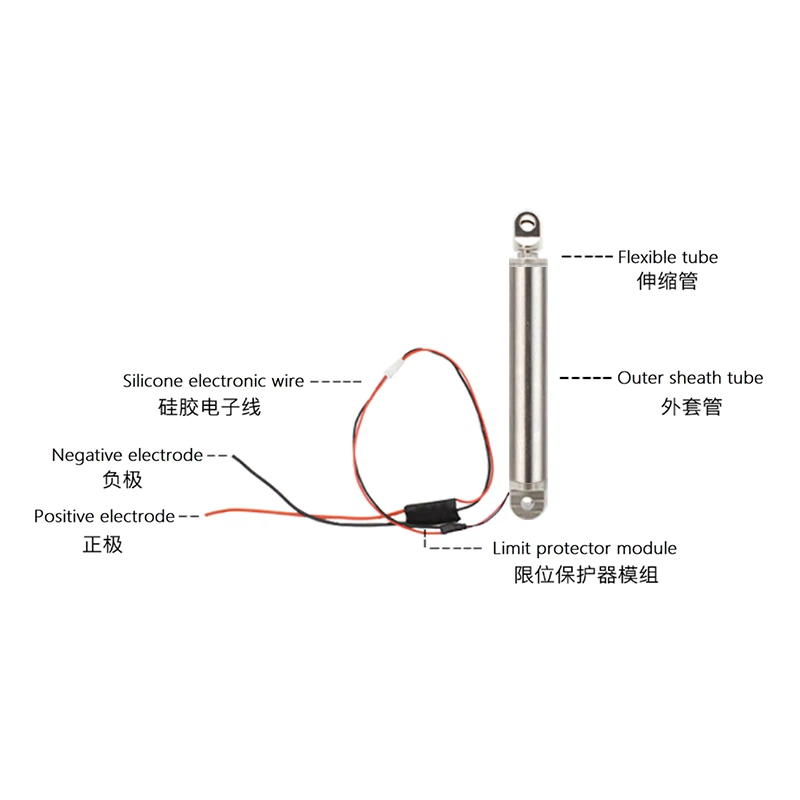
Understanding Why Tiny Linear Actuators Overheat
Before we dive into the prevention methods, it's important to understand why these actuators overheat in the first place. There are several factors that can contribute to overheating:
- High Loads: If you're using the actuator to move a heavy load, it has to work harder, which generates more heat.
- Frequent Cycling: Repeatedly turning the actuator on and off can cause it to heat up quickly.
- Poor Ventilation: When the actuator doesn't have enough space to dissipate heat, it can build up and lead to overheating.
- Incorrect Voltage: Using the wrong voltage can cause the actuator to draw too much current, resulting in overheating.
Tips to Prevent Overheating
Now that we know the common causes, let's look at some ways to prevent overheating:
Choose the Right Actuator
First and foremost, make sure you're using the right actuator for the job. Consider the load you need to move, the speed at which you need to move it, and the frequency of use. If you're unsure, our team can help you select the perfect Tiny Linear Actuator for your specific application.
Optimize the Load
If possible, try to reduce the load on the actuator. This could involve using lighter materials or redesigning the system to distribute the load more evenly. By reducing the load, the actuator won't have to work as hard, which means less heat generation.
Control the Cycling Frequency
Limit the number of times the actuator is turned on and off. If you need to make frequent movements, consider using a different type of actuator or a more advanced control system. Our Linear Actuator Control solutions can help you manage the cycling frequency and prevent overheating.
Provide Adequate Ventilation
Ensure that the actuator has enough space around it to allow for proper air circulation. Avoid installing it in enclosed spaces or areas with poor ventilation. You can also consider using a heat sink or a fan to help dissipate heat more effectively.
Check the Voltage
Always use the correct voltage for the actuator. Using the wrong voltage can cause the actuator to draw too much current, which leads to overheating. Double-check the voltage requirements and make sure your power supply is compatible.
Regular Maintenance
Perform regular maintenance on the actuator to keep it in good working condition. This includes cleaning the actuator, lubricating the moving parts, and checking for any signs of wear or damage. By keeping the actuator well-maintained, you can prevent overheating and extend its lifespan.
Additional Considerations
In addition to the above tips, there are a few other things to keep in mind:
- Temperature Monitoring: Consider using a temperature sensor to monitor the temperature of the actuator. This can help you detect overheating early and take corrective action before it causes any damage.
- Environmental Conditions: Be aware of the environmental conditions in which the actuator will be operating. High temperatures, humidity, and dust can all contribute to overheating. If necessary, take steps to protect the actuator from these conditions.
- Use a Quality Actuator: Invest in a high-quality actuator from a reputable supplier. Cheaper actuators may not be built to the same standards and may be more prone to overheating. Our Ip56 Linear Actuator is designed to withstand harsh environments and provide reliable performance.
Conclusion
Preventing overheating of a Tiny Linear Actuator is essential for ensuring its long-term performance and reliability. By following the tips outlined in this blog, you can keep your actuator running cool and avoid costly repairs or replacements.
If you have any questions or need help selecting the right actuator for your application, don't hesitate to reach out. We're here to help you find the best solution for your needs. Whether you're a small business or a large corporation, we have the expertise and products to meet your requirements. Contact us today to start the procurement process and get your hands on a top-quality Tiny Linear Actuator.
References
- "Linear Actuator Basics," Motion Control Tips.
- "Preventing Overheating in Electric Actuators," Actuator World Magazine.