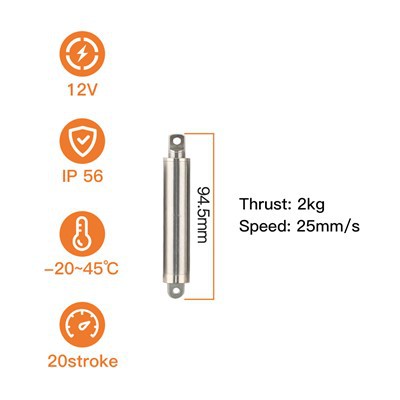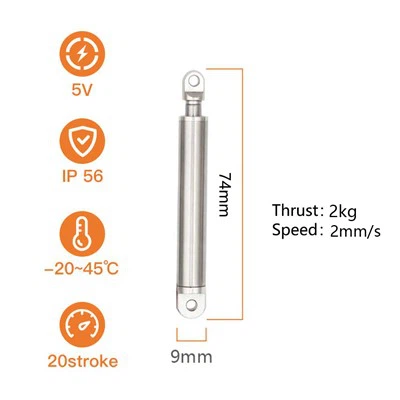
As a supplier of 12V DC linear actuators, I am often asked about the materials used in their construction. Understanding these materials is crucial not only for industry professionals but also for end - users who want to make informed decisions when purchasing a linear actuator. In this blog, I will delve into the key materials used in the construction of 12V DC linear actuators.
1. Motor Materials
The motor is the heart of a 12V DC linear actuator. Most 12V DC linear actuators use brushed DC motors. The main materials involved in these motors are:
Copper
Copper is used for the motor windings. It has excellent electrical conductivity, which allows for efficient transfer of electrical energy into mechanical energy. High - purity copper is preferred as it reduces electrical resistance, minimizing power losses and heat generation. For example, in a well - designed 12V DC motor, the copper windings are carefully wound to ensure maximum magnetic field generation, which is essential for the motor's torque production. When the current passes through the copper windings, a magnetic field is created, interacting with the permanent magnets in the motor to produce rotational motion. You can find more information about the motor aspect of linear actuators on our Linear Motor 12V page.
Permanent Magnet Materials
Permanent magnets are also a vital part of the motor. Neodymium magnets are commonly used due to their high magnetic strength. These magnets are made of an alloy of neodymium, iron, and boron (NdFeB). Their strong magnetic properties allow for a more compact motor design while still providing sufficient torque. The magnetic field of the permanent magnets interacts with the magnetic field generated by the copper windings, causing the motor shaft to rotate. This rotation is then converted into linear motion in the actuator.
Steel
Steel is used in the motor housing. It provides mechanical support and protection for the internal components of the motor. The steel housing helps to keep the motor's shape and prevent damage from external impacts. Additionally, it can act as a magnetic shield in some cases, reducing electromagnetic interference.
2. Gearbox Materials
The gearbox in a 12V DC linear actuator is responsible for reducing the speed of the motor and increasing the torque. Different materials are used in gearbox construction:
Plastic
Plastic gears are often used in smaller and less - heavy - duty 12V DC linear actuators. Materials such as polycarbonate or acetal are popular choices. Plastic gears are lightweight, which helps to reduce the overall weight of the actuator. They also have good self - lubricating properties, which reduces friction and wear. However, they may not be suitable for applications that require high torque or continuous heavy - load operation.
Metal
For more heavy - duty applications, metal gears are used. Steel gears are common due to their high strength and durability. They can withstand high loads and repeated use without significant wear. Brass gears are also used in some cases, as they have good corrosion resistance and can operate quietly. The choice between steel and brass depends on the specific requirements of the application, such as the level of corrosion in the environment and the noise tolerance.
3. Lead Screw and Nut Materials
The lead screw and nut mechanism is used to convert the rotational motion of the motor (through the gearbox) into linear motion.
Stainless Steel
Stainless steel is a popular choice for lead screws. It has excellent corrosion resistance, which is important in many environments, especially those where the actuator may be exposed to moisture or chemicals. Stainless steel lead screws also have good strength and can provide smooth linear motion. The precision - machined threads on the lead screw ensure accurate movement of the actuator.
Acetal
Acetal is commonly used for the nuts in the lead screw - nut assembly. It has low friction properties, which allows for efficient conversion of rotational to linear motion. Acetal nuts are also self - lubricating, reducing the need for additional lubrication and maintenance. They can withstand a certain amount of wear and are relatively inexpensive compared to some other materials.
4. Housing and Enclosure Materials
The housing and enclosure of a 12V DC linear actuator protect the internal components from dust, dirt, and mechanical damage.
Aluminum
Aluminum is a widely used material for actuator housings. It is lightweight, which is beneficial for applications where weight is a concern, such as in robotics or automotive applications. Aluminum also has good heat - dissipation properties, which helps to keep the internal components of the actuator cool during operation. It can be easily machined and anodized for better corrosion resistance.
Polycarbonate
Polycarbonate is used in some actuator enclosures, especially when transparency is required or for applications where a more impact - resistant and lightweight enclosure is needed. Polycarbonate enclosures can provide protection while allowing users to visually inspect the internal components of the actuator.
5. Electrical Components and Wiring Materials
The electrical components and wiring in a 12V DC linear actuator are crucial for its proper operation.
Copper Wiring
As mentioned earlier, copper is used for the electrical wiring in the actuator. It provides low - resistance electrical connections, ensuring efficient power transfer. The wiring is carefully insulated to prevent short - circuits and electrical interference.
Printed Circuit Boards (PCBs)
PCBs are used to mount and connect the various electrical components in the actuator, such as sensors, switches, and control circuits. The PCB substrate is typically made of fiberglass - reinforced epoxy resin, which provides good mechanical support and electrical insulation. Copper traces on the PCB are used to connect the components, and surface - mount technology (SMT) is often used to assemble the components onto the PCB for a more compact design.
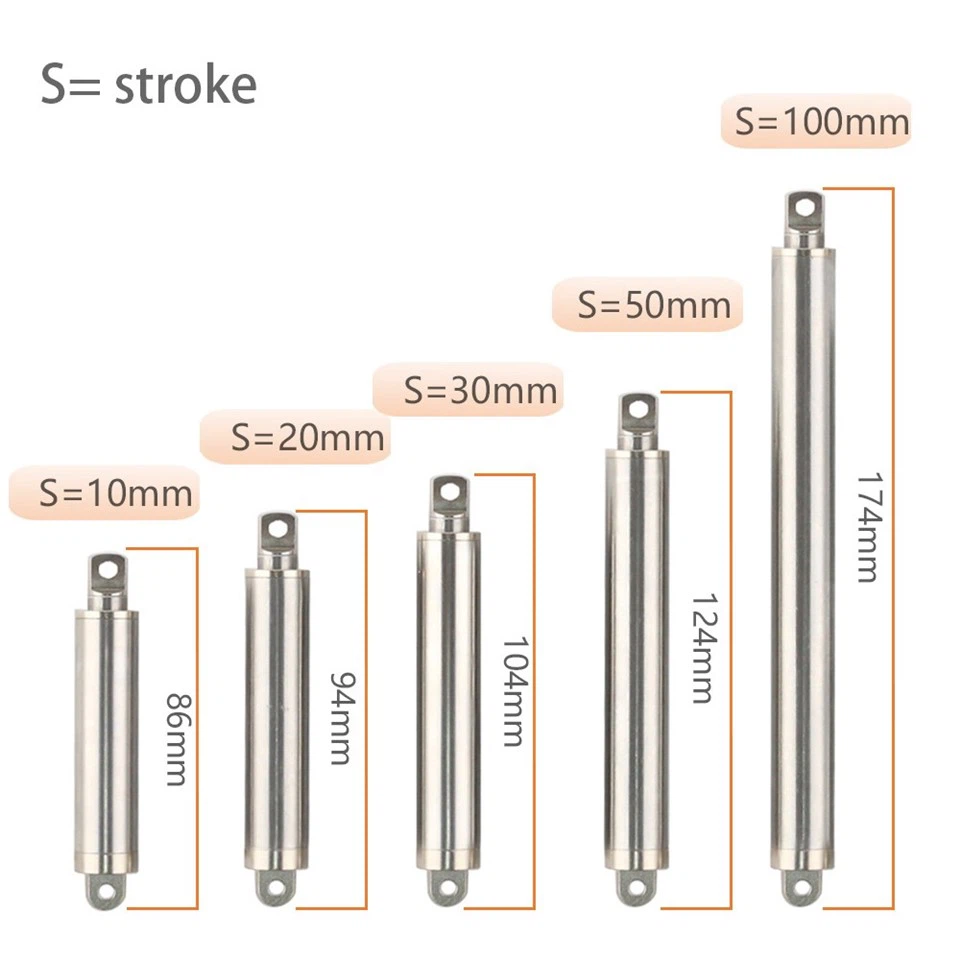
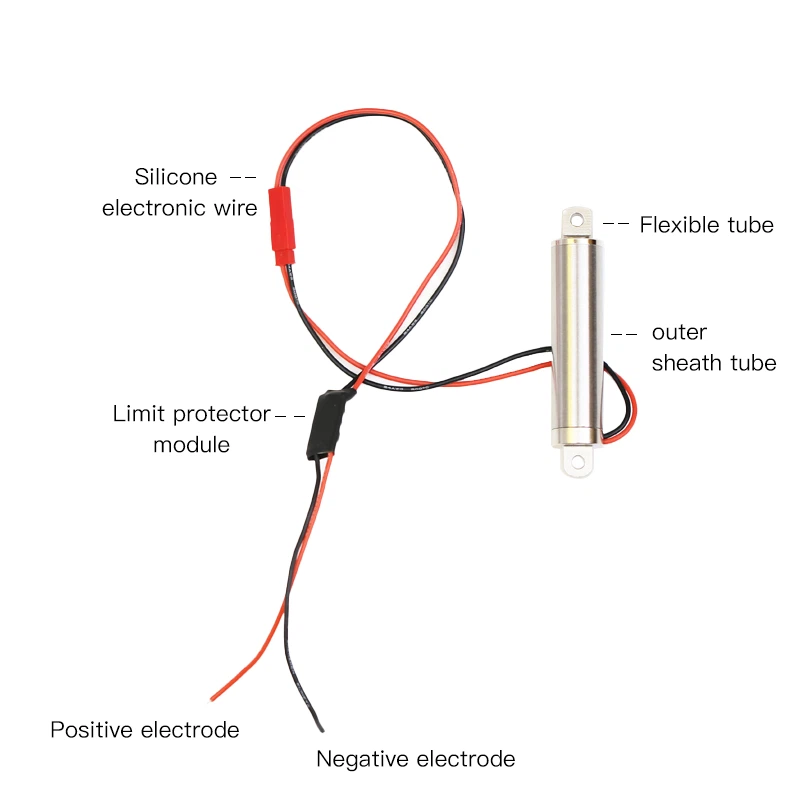
In conclusion, the construction of a 12V DC linear actuator involves a variety of materials, each chosen for its specific properties and functions. The combination of these materials determines the performance, durability, and suitability of the actuator for different applications. Whether you are looking for a lightweight and cost - effective solution or a heavy - duty and high - performance actuator, understanding the materials used in construction can help you make the right choice.
If you are interested in our Linear Actuator 12V products or our 12V Actuator Linear offerings and would like to discuss your specific requirements, we welcome you to reach out for a procurement discussion. We are committed to providing high - quality products and excellent customer service to meet your needs.
References
- "Electromechanical Actuators: Design, Modeling, and Control" by some well - known author in the field.
- Industry reports on linear actuator materials and manufacturing processes.