Hey there! As a supplier of linear actuators, I often get asked about the minimum operating pressure of a hydraulic linear actuator. It's a super important topic, especially for those who are looking to use these actuators in their projects. So, let's dive right in and break it down.
Understanding Hydraulic Linear Actuators
First off, what exactly is a hydraulic linear actuator? Well, it's a device that uses hydraulic power to create linear motion. In simple terms, it takes the energy from pressurized hydraulic fluid and turns it into a straight-line movement. These actuators are used in a wide range of applications, from heavy machinery like construction equipment to more precise industrial processes.

The basic components of a hydraulic linear actuator include a cylinder, a piston, and hydraulic lines. The hydraulic fluid is pumped into one side of the cylinder, which pushes the piston in one direction. When the fluid is pumped into the other side, the piston moves in the opposite direction. This back-and-forth motion is what creates the linear movement we need for various tasks.
Factors Affecting the Minimum Operating Pressure
Now, let's talk about what determines the minimum operating pressure of a hydraulic linear actuator. There are several key factors to consider:
Load Requirements
The first and most obvious factor is the load that the actuator needs to move. If you're using the actuator to lift a heavy object, it will require more pressure to get the job done. On the other hand, if the load is relatively light, the minimum operating pressure can be lower. For example, in a small-scale automation system where the actuator only needs to move a few pounds of weight, the minimum pressure might be as low as 50 - 100 psi (pounds per square inch). But in a large construction crane where it has to lift tons of materials, the minimum pressure could be in the thousands of psi.
Actuator Size and Design
The size and design of the actuator also play a big role. A larger actuator with a bigger piston area will generally require more pressure to move the same load compared to a smaller one. This is because the force exerted by the hydraulic fluid is distributed over a larger area. Additionally, the internal design of the actuator, such as the type of seals and valves used, can affect the minimum operating pressure. Some designs are more efficient and can operate at lower pressures, while others may need higher pressures to overcome internal friction and leakage.
Hydraulic Fluid Properties
The properties of the hydraulic fluid are another important factor. The viscosity of the fluid, for instance, can impact the minimum operating pressure. A fluid with a higher viscosity will require more pressure to flow through the hydraulic lines and into the actuator. Temperature also affects the fluid's viscosity. In cold temperatures, the fluid becomes thicker, which means more pressure is needed to move it. So, if you're operating in a cold environment, you may need to increase the minimum operating pressure to ensure proper actuator performance.
Typical Minimum Operating Pressures
So, what are the typical minimum operating pressures for hydraulic linear actuators? Well, it really depends on the application. In general, for light-duty applications like small automation systems or laboratory equipment, the minimum operating pressure can range from 50 - 200 psi. These actuators are designed to handle relatively small loads and can operate efficiently at lower pressures.
For medium-duty applications such as industrial machinery and agricultural equipment, the minimum operating pressure usually falls between 200 - 1000 psi. These actuators need to handle heavier loads and require more pressure to move them effectively.
In heavy-duty applications like construction equipment and mining machinery, the minimum operating pressure can be 1000 psi or higher. These actuators are built to handle extremely large loads and need a significant amount of pressure to function properly.
Importance of Knowing the Minimum Operating Pressure
Understanding the minimum operating pressure of a hydraulic linear actuator is crucial for several reasons. First of all, it helps you select the right actuator for your application. If you choose an actuator with a minimum operating pressure that's too high for your load requirements, you'll end up wasting energy and money. On the other hand, if the minimum operating pressure is too low, the actuator won't be able to move the load effectively, which can lead to poor performance and potential damage to the actuator.
Secondly, knowing the minimum operating pressure allows you to design and set up your hydraulic system correctly. You need to ensure that the hydraulic pump can provide the necessary pressure to operate the actuator. If the pump can't deliver the required pressure, the actuator won't work as intended.
Our Product Range
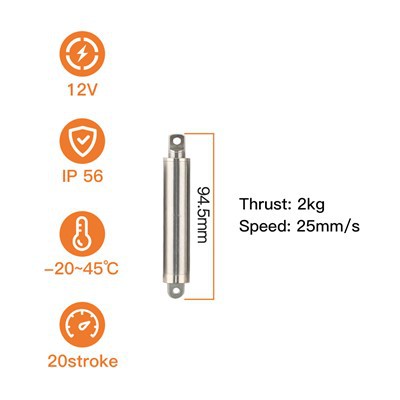
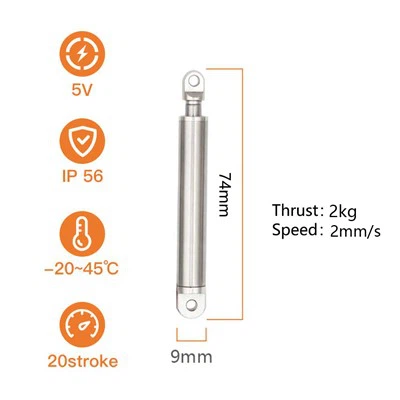
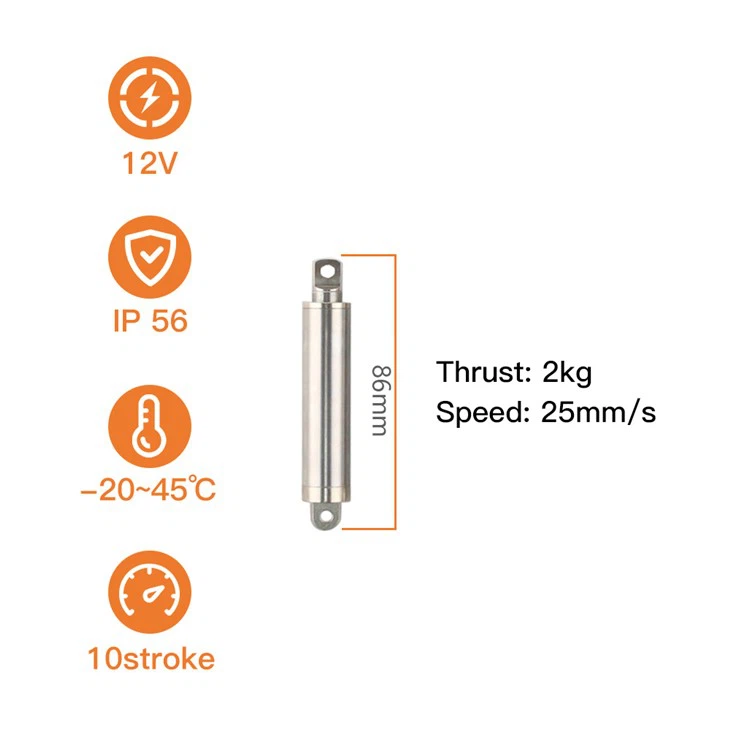
At our company, we offer a wide range of linear actuators to suit different applications and pressure requirements. Whether you're looking for a 24V Actuator for a small-scale automation project or a 12 Volt Dc Actuator for a more portable application, we've got you covered. We also have 12 Volt Linear Actuator with Remote options, which provide added convenience and control.
Our actuators are designed with high-quality materials and advanced technology to ensure reliable performance. We take into account all the factors that affect the minimum operating pressure during the design process, so you can be confident that our actuators will work efficiently in your application.
Contact Us for More Information
If you're interested in learning more about our linear actuators or have any questions about the minimum operating pressure, don't hesitate to get in touch. We have a team of experts who can help you select the right actuator for your needs and provide you with all the technical information you require. Whether you're a small business owner looking to automate a process or a large industrial company in need of heavy-duty actuators, we're here to assist you.
Let's work together to find the perfect linear actuator solution for your project. Reach out to us today, and let's start the conversation!
References
- Fluid Power Handbook, Parker Hannifin Corporation
- Hydraulic Systems Design Guide, Eaton Corporation
- Linear Actuator Selection and Application Guide, various industry sources