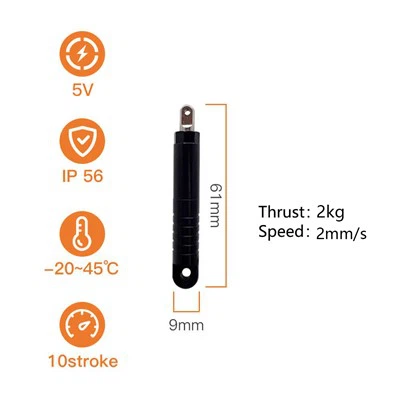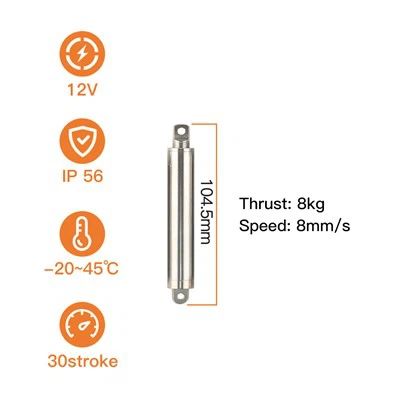
Adjusting the speed of a 12V linear motor is a crucial aspect for many applications, whether it's for industrial machinery, automation systems, or even DIY projects. As a reputable 12V linear motor supplier, we understand the significance of providing clear guidance on this topic. In this blog post, we will delve into the various methods and considerations for adjusting the speed of a 12V linear motor.
Understanding the Basics of a 12V Linear Motor
Before we jump into the speed adjustment methods, it's essential to have a basic understanding of how a 12V linear motor works. A linear motor is a type of electric motor that produces a linear motion instead of a rotational one. It consists of a stator and a mover. The stator contains the windings, and when an electric current is applied, it creates a magnetic field. The mover, which is usually a permanent magnet or a coil, interacts with this magnetic field, resulting in a linear force that moves the mover along a track.
The speed of a 12V linear motor is primarily determined by the voltage applied to it and the load it is carrying. In general, increasing the voltage will increase the speed, while increasing the load will decrease the speed. However, there are other factors that can also affect the speed, such as the motor's design, the type of control system used, and the environment in which it operates.
Methods for Adjusting the Speed of a 12V Linear Motor
1. Voltage Regulation
One of the simplest and most common methods for adjusting the speed of a 12V linear motor is by regulating the voltage applied to it. This can be done using a voltage regulator or a variable power supply. By increasing or decreasing the voltage, you can directly control the speed of the motor.
For example, if you have a 12V linear motor that is running too fast, you can reduce the voltage to slow it down. Conversely, if the motor is running too slow, you can increase the voltage to speed it up. However, it's important to note that most 12V linear motors are designed to operate within a specific voltage range, and exceeding this range can damage the motor. Therefore, it's crucial to consult the motor's datasheet or manufacturer's specifications before making any voltage adjustments.
2. Pulse Width Modulation (PWM)
Pulse Width Modulation (PWM) is another popular method for controlling the speed of a 12V linear motor. PWM works by rapidly switching the power on and off to the motor at a high frequency. The percentage of time that the power is on (the duty cycle) determines the average voltage applied to the motor, and thus the speed of the motor.
For instance, if the duty cycle is 50%, the motor will receive power for half of the time and be off for the other half. This effectively reduces the average voltage applied to the motor, resulting in a lower speed. By adjusting the duty cycle, you can precisely control the speed of the motor.
PWM has several advantages over voltage regulation. It is more efficient, as it reduces the power dissipation in the motor controller. It also provides smoother speed control, especially at low speeds. Many microcontrollers and motor drivers support PWM, making it a convenient option for controlling 12V linear motors in various applications.
3. Using a Speed Controller
A speed controller is a dedicated device that is designed to control the speed of a motor. It typically uses a combination of voltage regulation and PWM to provide precise speed control. Speed controllers can be either analog or digital, and they often come with additional features such as adjustable acceleration and deceleration rates, overload protection, and feedback control.
When using a speed controller, you simply connect the motor to the controller, and then adjust the speed setting on the controller. The controller will then automatically adjust the voltage and PWM signal to the motor to achieve the desired speed. Speed controllers are particularly useful for applications that require precise speed control, such as robotics, CNC machines, and automated assembly lines.
4. Gearbox or Transmission System
In some cases, you may need to adjust the speed of a 12V linear motor by using a gearbox or a transmission system. A gearbox or transmission system can be used to change the ratio of the input speed to the output speed of the motor. For example, a gearbox with a reduction ratio of 2:1 will reduce the output speed of the motor by half, while increasing the torque.
Using a gearbox or transmission system can be a cost-effective way to adjust the speed of a 12V linear motor, especially if you need to achieve a large speed reduction. However, it's important to note that gearboxes and transmission systems can introduce additional friction and inertia, which can affect the performance of the motor. Therefore, it's crucial to choose the right gearbox or transmission system for your application and to ensure that it is properly installed and maintained.
Considerations for Adjusting the Speed of a 12V Linear Motor
1. Load Capacity
When adjusting the speed of a 12V linear motor, it's important to consider the load capacity of the motor. The load capacity of a motor is the maximum amount of force or weight that the motor can move at a given speed. If you try to operate the motor at a speed that is too high for the load it is carrying, the motor may overheat, stall, or even burn out.
Therefore, before making any speed adjustments, you need to determine the load capacity of the motor and ensure that the load you are applying to the motor is within this capacity. If you need to increase the load capacity of the motor, you may need to choose a motor with a higher rated power or use a gearbox or transmission system to increase the torque.
2. Temperature and Environment
The temperature and environment in which the 12V linear motor operates can also affect its speed and performance. High temperatures can cause the motor to overheat, which can reduce its efficiency and lifespan. Similarly, harsh environments such as dust, moisture, and vibration can also damage the motor and affect its performance.
Therefore, it's important to ensure that the motor is installed in a suitable environment and that it is properly cooled. You may need to use a heat sink, a fan, or other cooling methods to keep the motor temperature within the acceptable range. Additionally, you should protect the motor from dust, moisture, and vibration by using appropriate enclosures and mounting methods.
3. Safety
Safety is always a top priority when working with 12V linear motors. When adjusting the speed of the motor, you need to ensure that you follow all the safety guidelines and procedures. This includes wearing appropriate personal protective equipment (PPE), such as gloves and safety glasses, and ensuring that the motor is properly grounded.
Additionally, you should never touch the motor or any of its electrical components while it is powered on. If you need to make any adjustments or repairs to the motor, you should first disconnect the power supply and wait for the motor to cool down.


Conclusion
Adjusting the speed of a 12V linear motor is a relatively straightforward process, but it requires careful consideration of several factors. By understanding the basics of how a 12V linear motor works, and by using the appropriate methods and techniques, you can easily adjust the speed of the motor to meet your specific application requirements.
As a leading 12V Dc Linear Actuator supplier, we offer a wide range of high-quality 12V linear motors and related products. Our motors are designed to provide reliable and efficient performance, and they come with a variety of features and options to meet your specific needs. If you are interested in purchasing a 12V linear motor or need more information about speed adjustment, please feel free to contact us. We will be happy to assist you with your procurement and provide you with the best solutions for your application.
We also offer 24 Volt Actuator and 24Vdc Linear Actuator for applications that require higher power and performance. Our team of experts can help you choose the right actuator for your application and provide you with technical support and guidance throughout the installation and operation process.
If you have any questions or need further assistance, please don't hesitate to reach out to us. We look forward to working with you and helping you achieve your goals.
References
- Electric Motor Handbook.
- Linear Motor Design and Applications.
- Motor Control and Power Electronics.