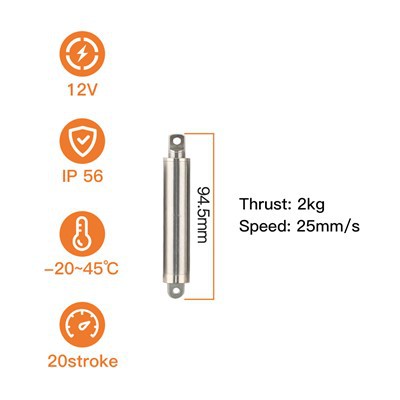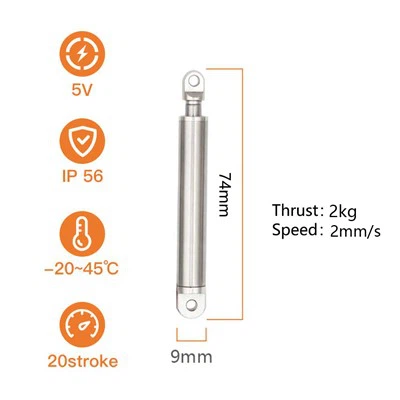
As a supplier of 12V linear actuators, I often encounter customers who face issues with their actuators not working. Troubleshooting a non - functioning 12V linear actuator can seem daunting at first, but with a systematic approach, you can identify and resolve the problem. In this blog, I'll guide you through the process step by step.
Initial Checks
The first thing you should do when your 12V linear actuator isn't working is to perform some basic checks. These checks are quick and easy, and they can often pinpoint the root cause of the problem.
Power Supply
- Check the Voltage: Use a multimeter to measure the voltage at the power source. A 12V linear actuator requires a stable 12 - volt power supply. If the voltage is significantly lower or higher, it can cause the actuator to malfunction. For example, if the power supply is only providing 10V, the actuator may not have enough power to operate.
- Inspect the Wiring: Examine the wires connecting the actuator to the power source. Look for any signs of damage, such as frayed or broken wires. Loose connections can also disrupt the power flow. Make sure all connections are tight and secure.
Control System
- Test the Controller: If your actuator is controlled by a controller, check if the controller is functioning properly. You can try sending a simple command to the controller to see if it responds. Some controllers have indicator lights that can give you clues about their status.
- Verify the Control Signals: Use an oscilloscope or a logic analyzer to check the control signals sent to the actuator. Incorrect control signals can prevent the actuator from operating as expected.
Mechanical Checks
If the power supply and control system are working fine, the problem may lie in the mechanical components of the actuator.
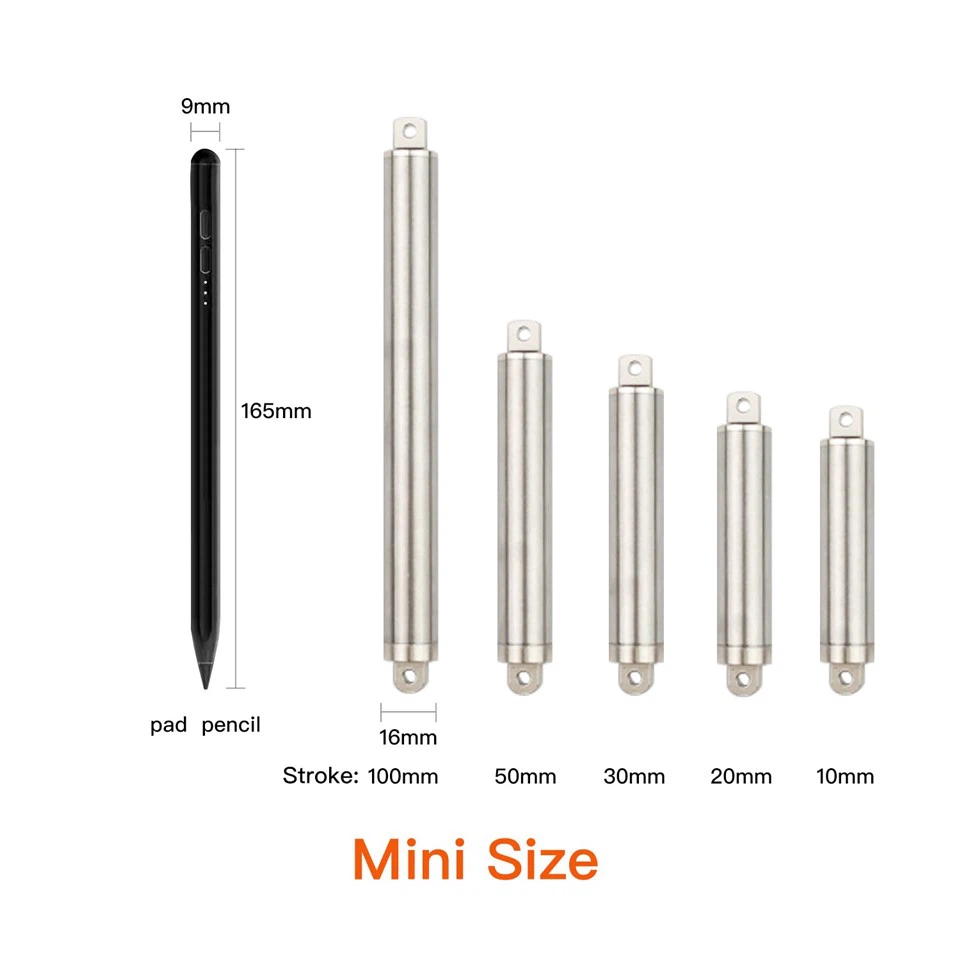
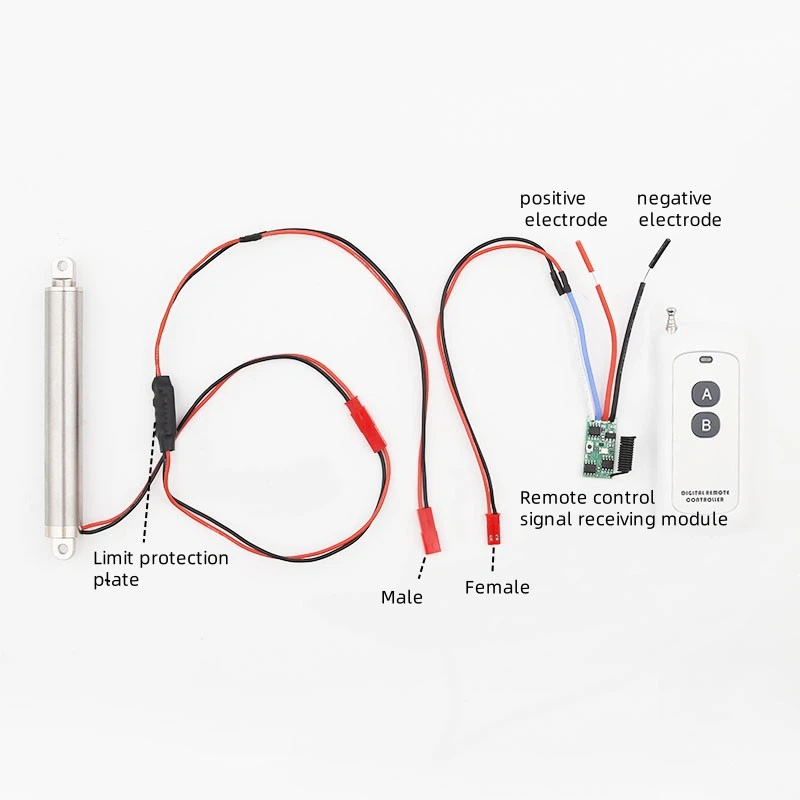
Physical Obstructions
- Inspect the Actuator Rod: Check if the actuator rod is free to move. There could be physical obstructions preventing the rod from extending or retracting. Look for any debris, such as dirt, dust, or small objects, that may be blocking the movement.
- Examine the Mounting: Ensure that the actuator is properly mounted. If it is not mounted correctly, it can put stress on the internal components and cause the actuator to malfunction. Make sure all mounting bolts are tightened and the actuator is aligned properly.
Wear and Tear
- Check the Gearbox: The gearbox in a linear actuator is responsible for converting the rotational motion of the motor into linear motion. Over time, the gears can wear out, causing the actuator to lose power or stop working altogether. Look for signs of excessive wear, such as broken teeth or excessive play in the gears.
- Inspect the Motor: The motor is the heart of the actuator. Check if the motor is running smoothly. You can listen for any unusual noises, such as grinding or whining, which may indicate a problem with the motor bearings or windings.
Electrical Checks
If the mechanical components seem to be in good condition, the issue may be related to the electrical parts of the actuator.
Motor Resistance
- Measure the Motor Resistance: Use a multimeter to measure the resistance of the motor windings. A significant deviation from the specified resistance value can indicate a problem with the motor. For example, if the resistance is too low, it may mean that there is a short circuit in the windings.
- Check for Shorts: Inspect the electrical connections inside the actuator for any signs of short circuits. A short circuit can cause the actuator to draw excessive current and may damage the motor or other components.
Limit Switches
- Test the Limit Switches: Limit switches are used to stop the actuator at the end of its stroke. If the limit switches are malfunctioning, the actuator may not operate correctly. You can test the limit switches by manually actuating them and checking if they send the appropriate signals to the control system.
Advanced Troubleshooting
If you have gone through all the above steps and still cannot find the problem, it may be time to perform some advanced troubleshooting.
Load Testing
- Measure the Load: Use a load cell to measure the load on the actuator. If the load is too high, it can cause the actuator to stall or malfunction. Make sure the load is within the rated capacity of the actuator.
- Analyze the Load Profile: Sometimes, the problem may be related to the way the load is applied. Analyze the load profile to see if there are any sudden changes or peaks in the load that could be causing issues.
Thermal Analysis
- Check the Temperature: Use an infrared thermometer to measure the temperature of the actuator during operation. Excessive heat can indicate a problem with the motor or other components. If the actuator is running too hot, it may be overloaded or there may be a problem with the cooling system.
When to Seek Professional Help
If you have exhausted all the troubleshooting steps and still cannot solve the problem, it may be time to seek professional help. As a 12V linear actuator supplier, we have a team of experts who can provide technical support and assistance. We can help you diagnose the problem accurately and recommend the best solution.
In addition to our 12V linear actuators, we also offer a wide range of related products, such as Actuator 24V, Miniature Linear Motor, and 24 Volt Actuator. These products are designed to meet the diverse needs of our customers.
If you are interested in purchasing our products or need further assistance with your linear actuator, please feel free to contact us for procurement and negotiation. We are committed to providing high - quality products and excellent customer service.
References
- "Linear Actuator Handbook", published by an industry - leading engineering firm.
- Technical documentation provided by the actuator manufacturers.