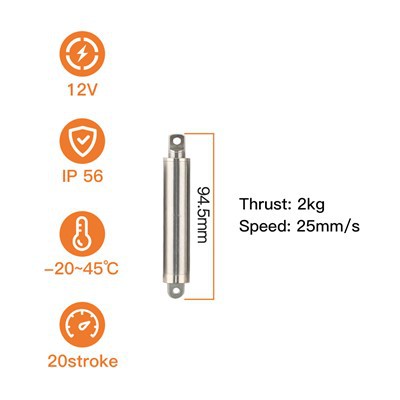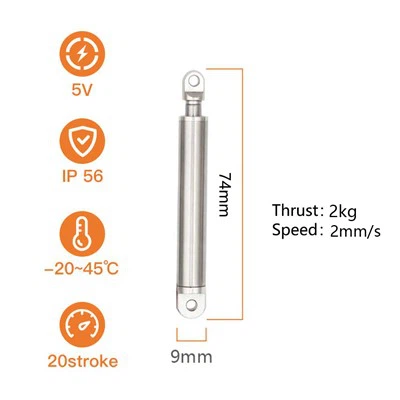
In the dynamic landscape of modern medical technology, the quest for precision, reliability, and miniaturization is unending. As a leading supplier of miniature linear motors, I've witnessed firsthand the transformative potential these devices hold for medical equipment. This blog post delves into the viability of using miniature linear motors in medical applications, exploring their benefits, challenges, and real - world examples.
The Advantages of Miniature Linear Motors in Medical Equipment
Precision and Accuracy
Precision is the cornerstone of medical procedures. Miniature linear motors offer exceptional accuracy, with positioning resolutions that can reach micrometers or even nanometers. This high level of precision is crucial in applications such as robotic surgery, where surgeons rely on the ability to make minute, controlled movements. For instance, in minimally invasive procedures, the motor can drive surgical instruments with extreme precision, reducing the risk of damage to surrounding tissues.
Compact Size
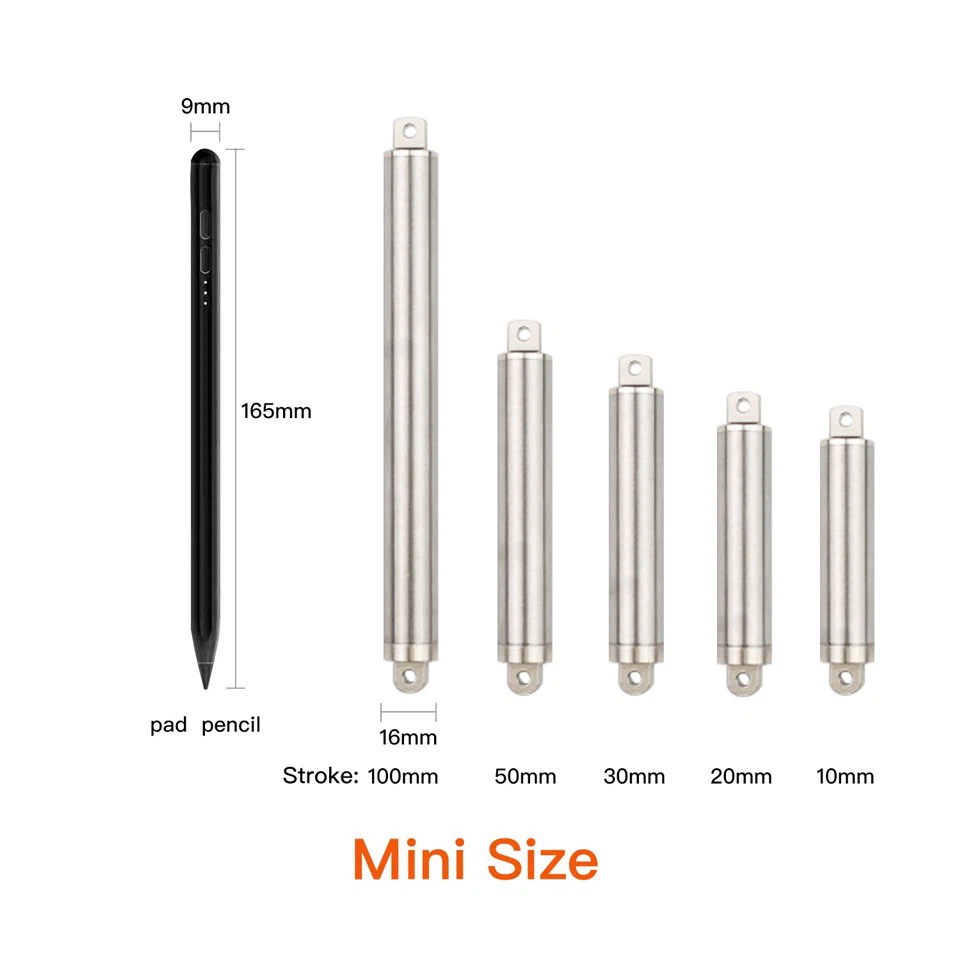
Medical equipment often needs to be as compact as possible, especially in settings where space is limited, such as operating rooms and ambulances. Miniature linear motors are designed to be small and lightweight, making them ideal for integration into confined spaces. Their compact size allows for the development of portable and handheld medical devices, enabling more flexible and on - the - spot medical treatments.

High - Speed Operation
In many medical applications, time is of the essence. Miniature linear motors can achieve high - speed operation, which is beneficial in processes like diagnostic imaging. For example, in a computed tomography (CT) scanner, a high - speed linear motor can quickly move the imaging components, reducing the scanning time and minimizing patient discomfort.
Low Maintenance
Medical equipment must be highly reliable and require minimal maintenance to ensure continuous operation. Miniature linear motors have fewer moving parts compared to traditional motors, which means less wear and tear. This results in lower maintenance requirements and longer service life, reducing the overall cost of ownership for medical facilities.
Applications of Miniature Linear Motors in Medical Equipment
Robotic Surgery
Robotic surgery systems are at the forefront of medical innovation, and miniature linear motors play a key role in their functionality. These motors are used to control the movement of surgical instruments, providing surgeons with enhanced dexterity and precision. The ability to make fine - tuned adjustments in real - time allows for more accurate incisions and suturing, leading to better patient outcomes.
Diagnostic Imaging
In diagnostic imaging devices such as magnetic resonance imaging (MRI), ultrasound, and X - ray machines, miniature linear motors are used to move the imaging components. They ensure smooth and precise movement, which is essential for obtaining clear and accurate images. For example, in an ultrasound machine, a linear motor can drive the transducer to scan different areas of the body with high speed and accuracy.
Drug Delivery Systems
Miniature linear motors are also used in drug delivery systems, such as insulin pumps and infusion devices. They can precisely control the dosage and rate of drug delivery, ensuring that patients receive the correct amount of medication at the right time. This is particularly important for patients with chronic conditions who require continuous and accurate drug administration.
Laboratory Automation
In laboratory settings, miniature linear motors are used to automate various processes, such as sample handling and testing. They can move test tubes, pipettes, and other laboratory equipment with high precision, increasing the efficiency and accuracy of laboratory operations. This is especially useful in high - throughput laboratories where large numbers of samples need to be processed quickly.
Challenges and Considerations
Compatibility with Medical Environments
Medical equipment operates in unique environments that may include strict hygiene requirements, electromagnetic interference (EMI), and exposure to various chemicals. Miniature linear motors need to be designed to be compatible with these conditions. For example, they may need to be made of materials that can be easily sterilized and be resistant to corrosion. EMI shielding may also be required to prevent interference with other medical devices.
Cost
The development and production of high - precision miniature linear motors can be costly. This cost is often passed on to the medical device manufacturers, which can increase the price of the final medical equipment. However, as technology advances and economies of scale are achieved, the cost of miniature linear motors is expected to decrease over time.
Regulatory Compliance
Medical equipment is subject to strict regulatory requirements to ensure patient safety. Miniature linear motors used in medical applications must comply with various standards and regulations, such as those set by the Food and Drug Administration (FDA) in the United States. This requires thorough testing and documentation to demonstrate compliance.
Real - World Examples
One of our customers, a leading medical device manufacturer, used our Micro Linear Actuator 12V in a handheld diagnostic device. The compact size and high precision of the actuator allowed the device to be easily carried and used in different settings. The low - maintenance nature of the actuator also ensured reliable operation, reducing downtime for the end - users.
Another example is a robotic surgery system that incorporated our 24Vdc Linear Actuator. The actuator's high - speed operation and precise control enabled the surgical instruments to perform complex maneuvers with ease, improving the overall efficiency and success rate of the surgeries.
We also supplied our 24V Actuator for a drug delivery system. The actuator's ability to accurately control the dosage and rate of drug delivery was crucial in providing safe and effective treatment for patients.
Conclusion
In conclusion, miniature linear motors have significant potential for use in medical equipment. Their precision, compact size, high - speed operation, and low - maintenance characteristics make them well - suited for a wide range of medical applications, from robotic surgery to diagnostic imaging and drug delivery. While there are challenges such as compatibility with medical environments, cost, and regulatory compliance, these can be overcome with proper design and engineering.
As a supplier of miniature linear motors, we are committed to providing high - quality products that meet the unique needs of the medical industry. Our team of experts is available to work with medical device manufacturers to develop customized solutions that ensure the best performance and reliability of their equipment.
If you are interested in learning more about our miniature linear motors or would like to discuss potential applications in your medical equipment, please feel free to reach out to us. We look forward to the opportunity to collaborate with you and contribute to the advancement of medical technology.
References
- Johnson, R. (2018). Precision Engineering in Medical Devices. Springer.
- Smith, A. (2019). The Future of Robotic Surgery. Journal of Medical Innovation, 15(2), 123 - 135.
- Brown, C. (2020). Diagnostic Imaging Technologies: Advancements and Challenges. Medical Physics Review, 22(3), 201 - 215.