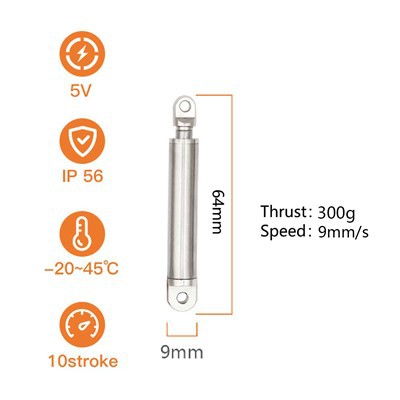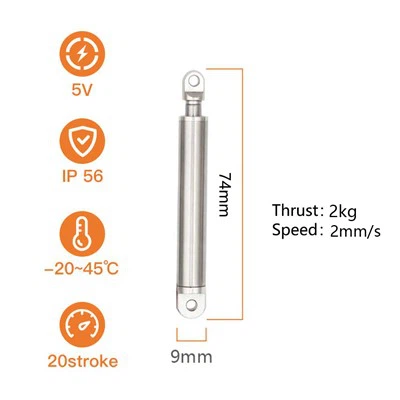
When it comes to selecting the right controller for a 12V linear actuator, it's essential to understand the specific requirements and characteristics of both the actuator and the controller. As a supplier of 12V linear actuators, I've encountered numerous customers seeking guidance on this topic. In this blog post, I'll share some insights to help you make an informed decision.
Understanding 12V Linear Actuators
Before delving into the types of controllers, let's briefly review what 12V linear actuators are. These actuators are electromechanical devices that convert electrical energy into linear motion. They are commonly used in various applications, such as automotive, medical equipment, industrial machinery, and home automation. The 12V power supply makes them suitable for low - voltage systems, offering flexibility and ease of integration.
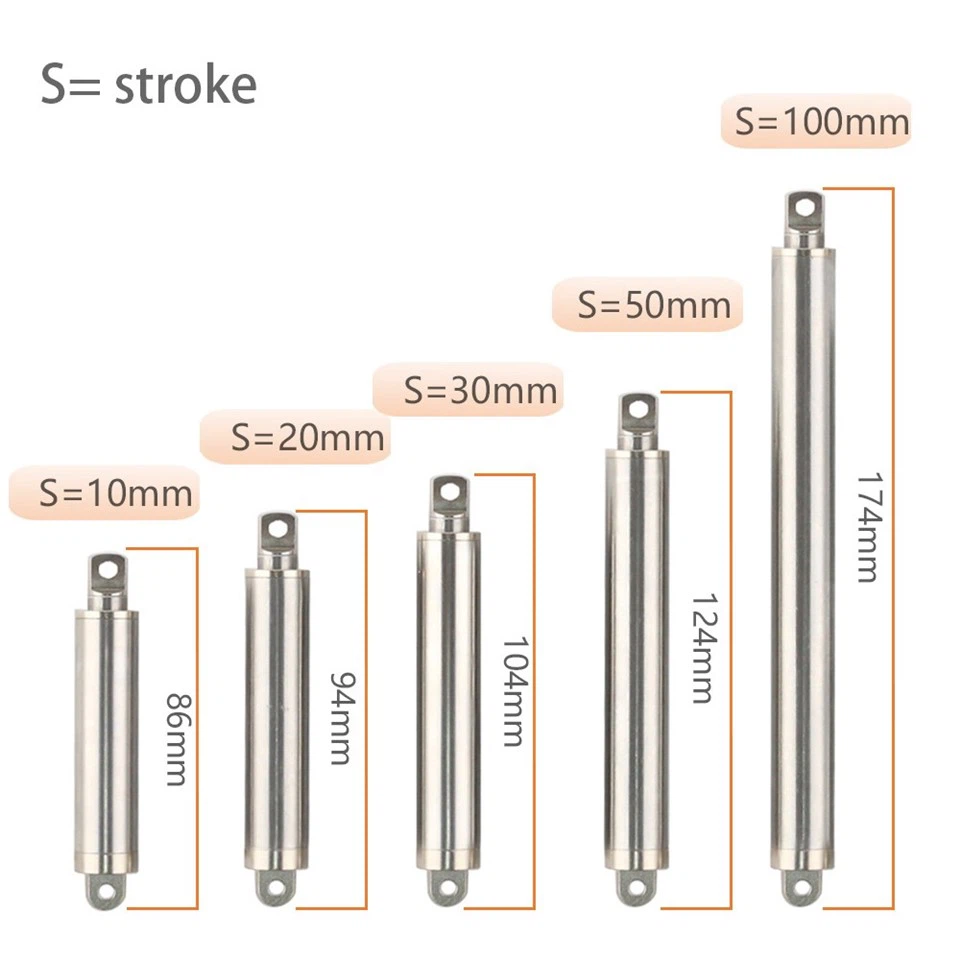
A 12V Actuator Motor is the heart of the linear actuator. It drives the mechanism that moves the actuator rod in a linear direction. The performance of the actuator, including its speed, force, and stroke length, depends on the motor's specifications and the overall design of the actuator.
Types of Controllers for 12V Linear Actuators
1. Manual Switches
Manual switches are the simplest type of controllers for 12V linear actuators. They are cost - effective and easy to install. A basic manual switch can be used to control the direction of the actuator's movement (forward and backward). There are different types of manual switches, such as toggle switches, rocker switches, and push - button switches.
Toggle switches are commonly used because they provide a simple on - off control mechanism. They are available in different configurations, such as single - pole single - throw (SPST), single - pole double - throw (SPDT), and double - pole double - throw (DPDT). An SPDT toggle switch is often used to control the direction of the actuator, allowing you to switch between the forward and reverse directions.
Rocker switches are similar to toggle switches but have a more modern and ergonomic design. They are easy to operate with a simple rocking motion. Push - button switches, on the other hand, are suitable for applications where momentary control is required. For example, in a machine where you only need to actuate the linear actuator for a short period, a push - button switch can be used.
The advantage of manual switches is their simplicity and reliability. They do not require any complex programming or additional power sources. However, they lack the ability to provide precise control over the actuator's speed and position.
2. Remote Controls
Remote controls offer greater convenience compared to manual switches. They allow you to control the 12V linear actuator from a distance. There are two main types of remote controls: infrared (IR) and radio frequency (RF).
IR remote controls work by emitting infrared signals that are received by a corresponding receiver on the actuator. They are commonly used in home automation applications, such as controlling the position of curtains or blinds. IR remote controls are relatively inexpensive and easy to use. However, they have a limited range and require a direct line of sight between the remote and the receiver.
RF remote controls, on the other hand, use radio waves to communicate with the actuator. They have a longer range and can penetrate through walls and other obstacles. RF remote controls are more suitable for industrial and automotive applications where the actuator may be located in a hard - to - reach place. They also offer more advanced features, such as multiple channels and programmable functions.
With a remote control, you can easily control the direction of the actuator's movement. Some advanced remote controls also allow you to adjust the speed of the actuator, providing more flexibility in your applications.
3. Programmable Controllers
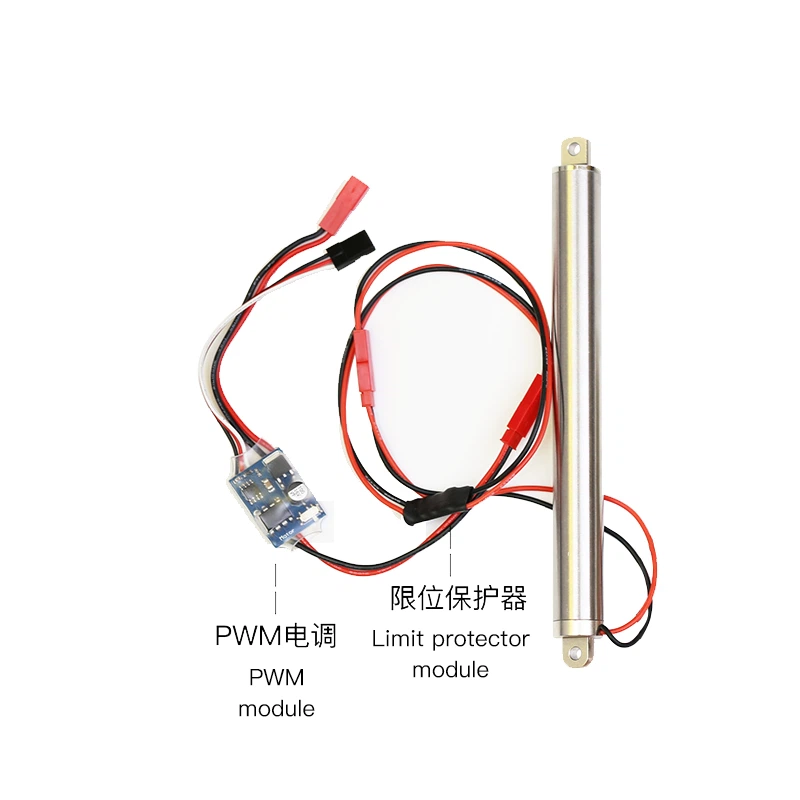
Programmable controllers are the most advanced type of controllers for 12V linear actuators. They offer precise control over the actuator's speed, position, and force. Programmable controllers can be either microcontroller - based or PLC (Programmable Logic Controller) - based.
Microcontroller - based controllers are compact and cost - effective. They are suitable for small - scale applications where you need to control a single or a few linear actuators. You can program the microcontroller to perform specific tasks, such as moving the actuator to a specific position, adjusting the speed based on certain conditions, or repeating a sequence of movements.
PLC - based controllers are more powerful and are commonly used in industrial applications. They can handle multiple actuators and complex control algorithms. PLCs are highly reliable and can be easily integrated with other industrial systems, such as sensors and motors. They also offer advanced features, such as data logging, monitoring, and fault diagnosis.
Programmable controllers require some programming skills. However, many manufacturers provide user - friendly programming interfaces and software libraries to simplify the programming process.
Factors to Consider When Choosing a Controller
When selecting a controller for your 12V linear actuator, there are several factors you need to consider:
1. Application Requirements
The first factor to consider is the specific requirements of your application. If you only need basic on - off control, a manual switch may be sufficient. For applications where you need to control the actuator from a distance, a remote control is a better choice. If your application requires precise control over the actuator's speed and position, a programmable controller is necessary.
2. Compatibility
Make sure the controller is compatible with your 12V linear actuator. Check the voltage requirements, current ratings, and communication protocols of the controller and the actuator. Incompatible controllers can cause damage to the actuator or result in poor performance.
3. Cost
Cost is always an important factor. Manual switches are the most cost - effective option, while programmable controllers are more expensive. Consider your budget and the features you need when making a decision.
4. Ease of Use
Choose a controller that is easy to install and operate. If you are not familiar with programming, a simple manual switch or a remote control may be a better choice. If you have some programming skills, a programmable controller can offer more flexibility.
Other Related Products
In addition to 12V linear actuators, we also offer Actuator 24V and Linear Motor 12V. These products have different specifications and are suitable for different applications. If you are interested in learning more about these products, please feel free to contact us.
Conclusion
Selecting the right controller for a 12V linear actuator is crucial for achieving optimal performance in your applications. Whether you choose a simple manual switch, a convenient remote control, or a sophisticated programmable controller, make sure to consider the specific requirements of your application, compatibility, cost, and ease of use.
As a supplier of 12V linear actuators, we have a wide range of controllers to meet your needs. If you have any questions or need further assistance in choosing the right controller for your 12V linear actuator, please don't hesitate to contact us. We are here to help you make the best decision for your project.
References
- "Linear Actuator Handbook", published by an industry - leading engineering firm.
- Technical documents from various linear actuator and controller manufacturers.