Fast linear actuators are remarkable devices known for their ability to provide rapid and precise linear motion. As a supplier of fast linear actuators, I often encounter inquiries about their suitability for high - voltage applications. In this blog, I will delve into the technical aspects, advantages, challenges, and potential solutions when considering using fast linear actuators in high - voltage environments.
Technical Characteristics of Fast Linear Actuators
Fast linear actuators are designed to convert rotational motion into linear motion at high speeds. They typically consist of a motor, a drive mechanism (such as a ball screw or a belt drive), and a linear guide. The motor provides the power, and the drive mechanism translates the rotational movement of the motor shaft into a straight - line motion.
The speed of a fast linear actuator is one of its most distinguishing features. Depending on the design and specifications, these actuators can achieve speeds ranging from a few centimeters per second to several meters per second. This rapid movement makes them ideal for applications where quick response times are crucial, such as in automated manufacturing processes, robotics, and aerospace systems.
In addition to speed, fast linear actuators also offer high precision. Advanced control systems and feedback mechanisms allow for accurate positioning and repeatability. This precision is essential in applications where components need to be aligned or moved with extreme accuracy, such as in semiconductor manufacturing or optical equipment.
High - Voltage Environments: What Are They?
High - voltage applications generally involve electrical systems operating at voltages above 1000 volts. These environments can be found in various industries, including power generation, electrical transmission and distribution, and industrial manufacturing. In power plants, for example, high - voltage switches are used to control the flow of electricity between generators, transformers, and the power grid. In industrial manufacturing, high - voltage equipment may be used for processes such as electrostatic coating or plasma cutting.
Working in high - voltage environments presents several challenges. Electrical insulation is of utmost importance to prevent electrical breakdown and ensure the safety of personnel and equipment. High - voltage systems also generate electromagnetic interference (EMI), which can affect the performance of nearby electronic devices. Moreover, the high - energy nature of these systems means that any malfunction or failure can have serious consequences, including equipment damage, power outages, and even safety hazards.
Can Fast Linear Actuators Be Used in High - Voltage Applications?
The short answer is yes, but with certain considerations. Fast linear actuators can be used in high - voltage applications, but they need to be carefully designed and engineered to withstand the unique challenges of these environments.
Advantages of Using Fast Linear Actuators in High - Voltage Applications
- Quick Response Time: In high - voltage systems, fast response times are often required to ensure the safety and reliability of the equipment. For example, in a high - voltage circuit breaker, a fast linear actuator can quickly open or close the contacts, minimizing the arcing time and reducing the risk of damage to the breaker.
- Precision Control: Precision is crucial in high - voltage applications, especially when it comes to the alignment of electrical components. Fast linear actuators can provide accurate positioning, ensuring that components are properly aligned and reducing the risk of electrical arcing or short - circuits.
- Automation: Fast linear actuators can be integrated into automated control systems, allowing for remote operation and monitoring of high - voltage equipment. This can improve the efficiency and safety of the system by reducing the need for manual intervention in potentially dangerous high - voltage environments.
Challenges and Solutions
- Electrical Insulation: One of the main challenges in using fast linear actuators in high - voltage applications is ensuring adequate electrical insulation. The actuator's components, including the motor, drive mechanism, and control system, need to be insulated to prevent electrical breakdown. Special insulation materials, such as high - performance polymers or ceramic composites, can be used to achieve this. Additionally, the actuator's design should minimize the risk of electrical arcing by providing sufficient clearance between conductive parts.
- Electromagnetic Interference (EMI): High - voltage systems generate EMI, which can interfere with the operation of the fast linear actuator's control system. To mitigate this issue, shielding techniques can be employed. For example, the actuator can be enclosed in a metal housing that acts as a Faraday cage, blocking the electromagnetic fields. Filtering circuits can also be added to the control system to reduce the impact of EMI.
- Thermal Management: High - voltage applications often generate a significant amount of heat. The fast linear actuator's motor and other components need to be able to dissipate this heat effectively to prevent overheating and ensure reliable operation. Heat sinks, fans, or liquid cooling systems can be used to manage the actuator's temperature.
Our Product Offerings for High - Voltage Applications
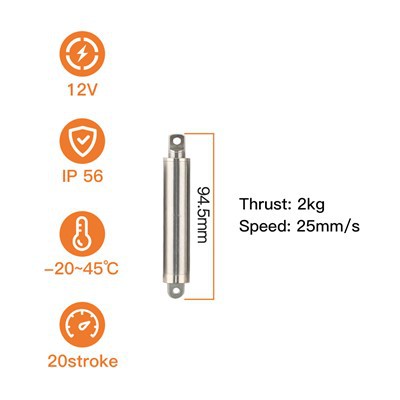
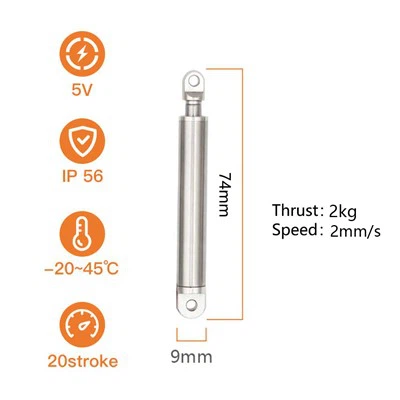
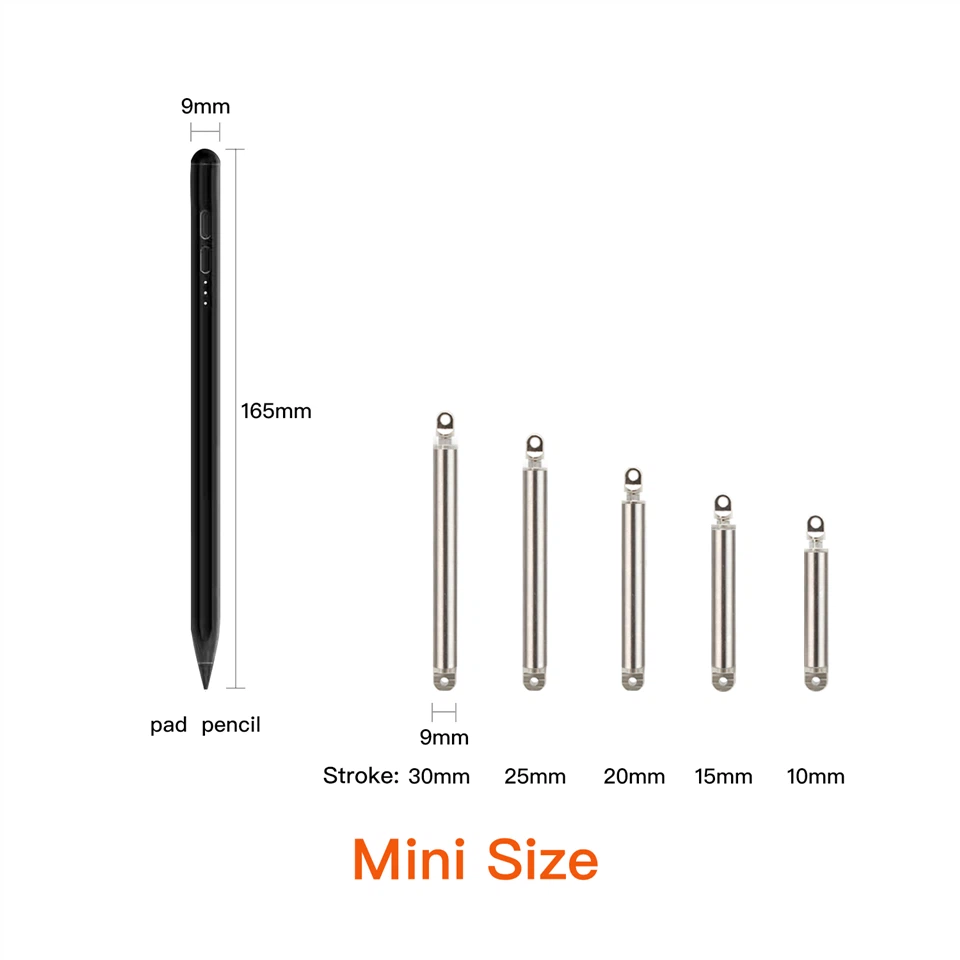
As a supplier of fast linear actuators, we offer a range of products that are suitable for high - voltage applications. Our Tiny Linear Actuator is a compact and lightweight option that can be easily integrated into high - voltage equipment. It features high - speed operation and precise positioning, making it ideal for applications where space is limited.
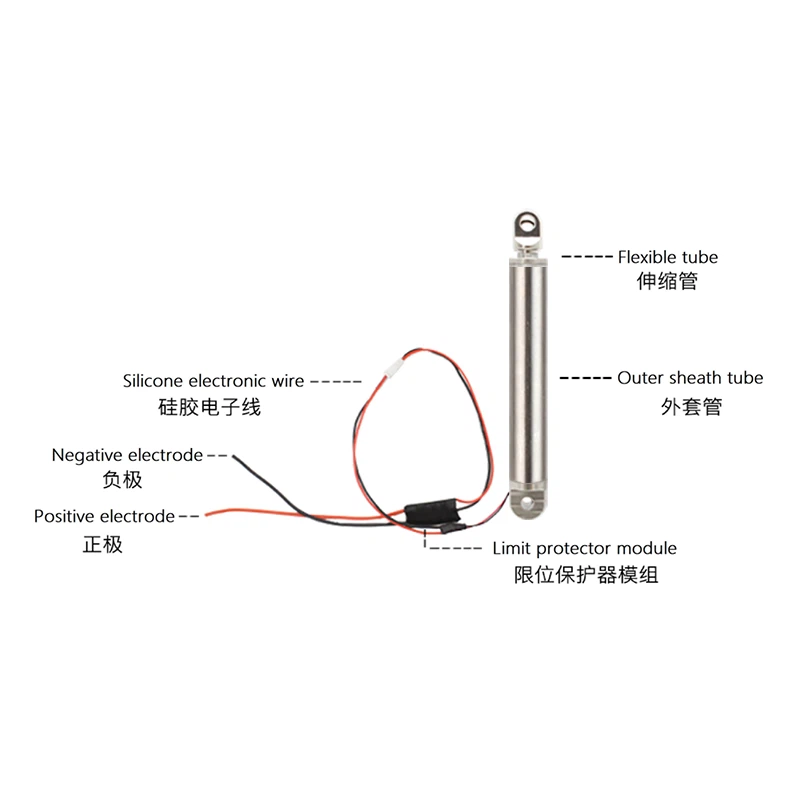
Our Ip56 Linear Actuator is designed to withstand harsh environments, including high - voltage applications. It has a high degree of protection against dust and water ingress, ensuring reliable operation even in challenging conditions.
For applications that require a higher load - carrying capacity, our Electric Lift Cylinder is an excellent choice. It can provide fast and powerful linear motion, making it suitable for heavy - duty high - voltage equipment.
Conclusion
Fast linear actuators can be effectively used in high - voltage applications, provided that they are properly designed and engineered to address the challenges of these environments. Their speed, precision, and automation capabilities make them valuable components in high - voltage systems, offering benefits such as quick response times, accurate positioning, and improved safety.
If you are interested in using fast linear actuators in your high - voltage applications, we invite you to contact us for more information and to discuss your specific requirements. Our team of experts is ready to assist you in selecting the right actuator for your needs and providing technical support throughout the integration process.
References
- "High - Voltage Engineering Fundamentals" by E. Kuffel, W. S. Zaengl, and J. Kuffel
- "Linear Actuators: Principles and Applications" by David A. Swanson
- Industry standards and guidelines related to high - voltage equipment and linear actuators