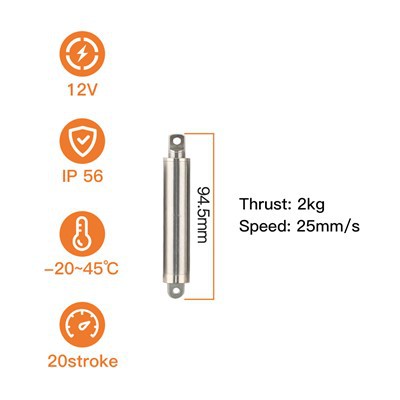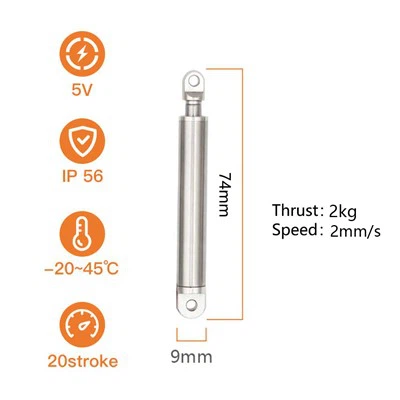
Hey there! As a supplier of fast linear actuators, I often get asked about the maximum force output of these nifty devices. So, I thought I'd take a deep dive into this topic and share some insights with you.
First off, let's understand what a fast linear actuator is. It's a device that converts rotational motion into linear motion at a high speed. These actuators are used in a wide range of applications, from industrial automation to robotics and even in some consumer products.
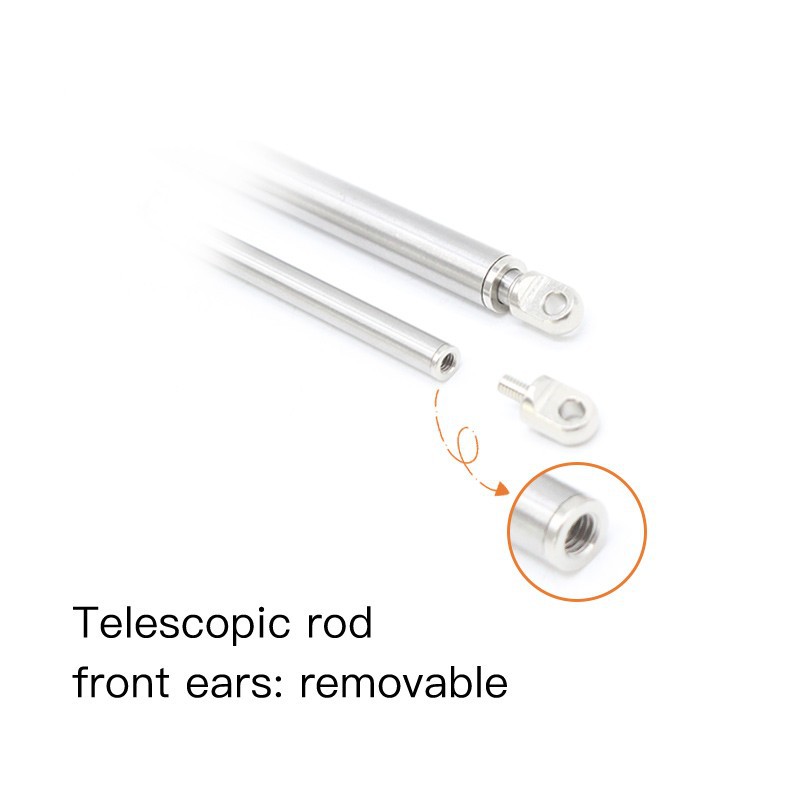

Now, the maximum force output of a fast linear actuator depends on several factors. One of the most important factors is the motor power. The more powerful the motor, the higher the force it can generate. A high - torque motor can push or pull heavier loads, allowing the actuator to deliver a greater force. For example, if you have a small motor in an actuator, it might be able to handle light - duty tasks like moving a small panel. But if you need to move a large industrial machine part, you'll need a more powerful motor.
Another factor is the gear ratio. The gear system in a linear actuator plays a crucial role in determining the force output. A higher gear ratio means that the actuator can generate more force, but it may sacrifice speed. On the other hand, a lower gear ratio allows for faster movement but with less force. So, it's a bit of a trade - off. If you're working on an application where speed is the top priority, you might choose a lower gear ratio. But if you need to move heavy objects, a higher gear ratio is the way to go.
The design and construction of the actuator also matter. High - quality materials and a well - engineered design can enhance the force - generating capabilities of the actuator. For instance, an actuator made with strong and durable metals can withstand higher forces without breaking or deforming. Some of our Stainless Steel Linear Actuator models are built with high - grade stainless steel, which not only provides excellent corrosion resistance but also adds to the overall strength of the actuator.
Let's talk about some real - world examples to give you a better idea of the force output. In industrial automation, fast linear actuators are often used to move heavy conveyor belts or to operate large valves. In these applications, the actuators need to generate significant force to handle the heavy loads. For example, an actuator used in a conveyor system might need to push a load of several hundred kilograms. In such cases, we recommend actuators with high - power motors and appropriate gear ratios.
In the field of robotics, fast linear actuators are used to control the movement of robotic arms. The force output requirements here can vary depending on the size and function of the robot. A small, lightweight robot might only need an actuator with a relatively low force output. But a large industrial robot that is used for heavy - duty tasks like lifting and moving large parts will require an actuator with a much higher force capacity.
When it comes to consumer products, fast linear actuators are used in things like adjustable beds and massage chairs. In these applications, the force output doesn't need to be as high as in industrial settings. However, it still needs to be sufficient to move the components smoothly. For example, an adjustable bed actuator needs to be able to lift the head and foot sections of the bed with ease.
Now, let's discuss how you can control the force output of a fast linear actuator. Linear Actuator Control is an important aspect of using these devices effectively. There are various control methods available, such as using a control panel or a programmable logic controller (PLC). These control systems allow you to adjust the speed, force, and position of the actuator according to your specific requirements.
If you're using an actuator in a system where the load varies, you might want to use a feedback control system. This system can sense the load on the actuator and adjust the force output accordingly. For example, if the load suddenly increases, the feedback system can increase the force generated by the actuator to keep the movement smooth.
In addition to the force output, you also need to consider other factors like the stroke length and the speed of the actuator. The stroke length is the maximum distance that the actuator can move. If you need to move an object over a long distance, you'll need an actuator with a longer stroke length. And of course, the speed of the actuator is important, especially in applications where quick movement is required.
Some of our Electric Lift Cylinder models are designed to provide a good balance between force, speed, and stroke length. These cylinders are suitable for a wide range of applications, from lifting small platforms to large industrial equipment.
So, how do you determine the maximum force output you need for your application? The first step is to understand the load that the actuator will need to handle. You should consider the weight of the object, any friction or resistance in the system, and the acceleration and deceleration requirements. Once you have a clear idea of the load, you can consult with our technical team. We have a lot of experience in selecting the right actuator for different applications, and we can help you choose an actuator with the appropriate force output.
In conclusion, the maximum force output of a fast linear actuator is influenced by multiple factors, including motor power, gear ratio, and design. By understanding these factors and carefully considering your application requirements, you can select an actuator that meets your needs.
If you're in the market for a fast linear actuator and need help with choosing the right one or have any questions about force output, feel free to reach out to us. We're here to assist you in finding the perfect solution for your project. Whether you're working on a small DIY project or a large - scale industrial application, we've got the expertise and the products to meet your needs.
References:
- Engineering textbooks on linear actuators
- Industry reports on industrial automation and robotics