Hey there! As a supplier of 12V actuator motors, I often get asked about the duty cycle of these motors. So, I thought I'd write this blog to break it down for you in plain English.
First off, let's understand what a 12V actuator motor is. It's a type of motor that's designed to convert electrical energy into mechanical motion. These motors are commonly used in various applications, from small DIY projects to industrial machinery. And the 12V part refers to the voltage at which the motor operates.

Now, the big question: what is the duty cycle of a 12V actuator motor? The duty cycle is basically the amount of time a motor can run within a given period without overheating or getting damaged. It's usually expressed as a percentage. For example, if a motor has a 50% duty cycle and the total cycle time is 10 minutes, it means the motor can run continuously for 5 minutes and then needs to rest for the remaining 5 minutes.
Why is the duty cycle so important? Well, running a motor beyond its specified duty cycle can lead to overheating. When a motor overheats, it can cause the insulation on the windings to break down, which can eventually lead to a short circuit and permanent damage to the motor. So, understanding and respecting the duty cycle is crucial for the longevity and proper functioning of your 12V actuator motor.
Several factors can affect the duty cycle of a 12V actuator motor. One of the main factors is the load on the motor. If the motor is working against a heavy load, it will have to work harder, which means it will generate more heat. This, in turn, will reduce the duty cycle. For example, if you're using a 12V actuator motor to lift a heavy object, it might have a lower duty cycle compared to when it's used for a lighter task.
The environment in which the motor operates also plays a significant role. If the motor is in a hot and poorly ventilated area, it will have a harder time dissipating heat. As a result, the duty cycle will be reduced. On the other hand, if the motor is in a cool and well - ventilated space, it can handle a higher duty cycle.
Another factor is the design of the motor itself. Some 12V actuator motors are designed with better heat dissipation features, such as larger heat sinks or more efficient fans. These motors can typically handle a higher duty cycle compared to motors with less effective cooling mechanisms.
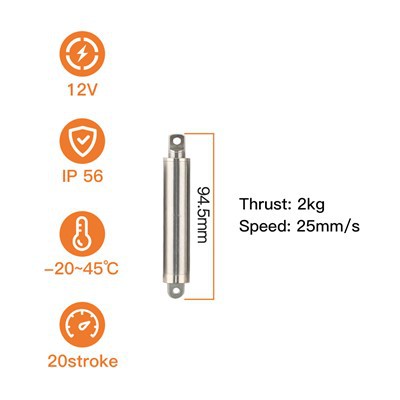
Let's take a look at some of the 12V actuator motors we offer. We have the 12 Volt Linear Actuator with Remote. This motor is great for applications where you need remote control. It has a decent duty cycle that makes it suitable for intermittent use in various projects. Whether you're building a home automation system or a small robotic device, this motor can get the job done.
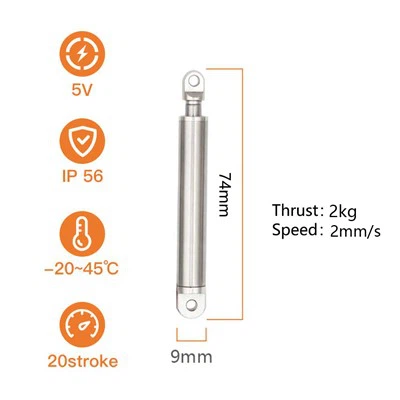
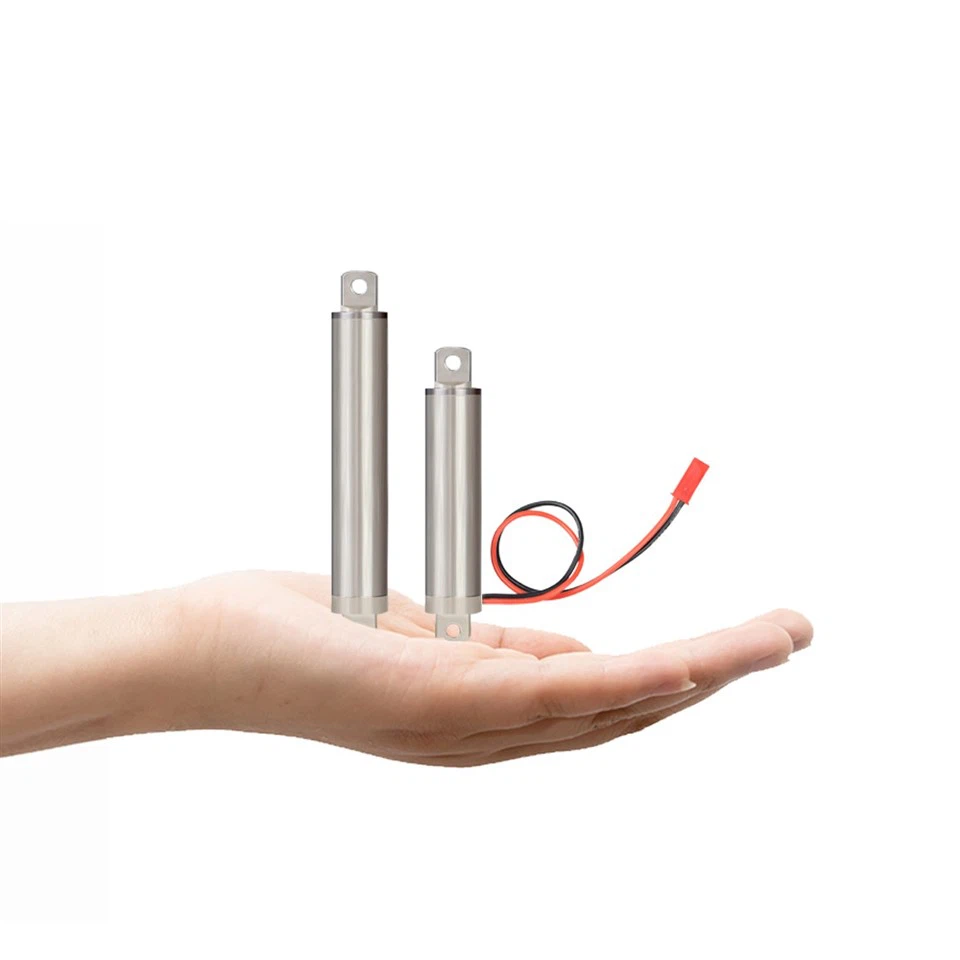
Then there's our Micro Linear Actuator 12V. As the name suggests, it's a compact motor, perfect for applications where space is limited. Despite its small size, it still has a reasonable duty cycle. You can use it in small - scale projects like model airplanes or miniature robotic arms.
It's important to note that while we focus on 12V actuator motors, we also have 24V Actuator options available. The duty cycle of 24V motors can be different from 12V motors due to the higher voltage and power requirements.
When you're choosing a 12V actuator motor for your project, make sure to consider the duty cycle carefully. First, determine the load your motor will be facing. Calculate how long the motor needs to run continuously for your application. Then, look at the duty cycle specifications of the motors we offer. If you need a motor that can run for longer periods without a break, you might need to look for a motor with a higher duty cycle.
If you're not sure which motor is right for you, don't hesitate to reach out to us. Our team of experts is always ready to help you make the best choice. We can answer all your questions about duty cycles, load requirements, and more. Whether you're a hobbyist working on a fun project or a professional in an industrial setting, we have the right 12V actuator motor for you.
In conclusion, the duty cycle of a 12V actuator motor is a critical factor that you need to consider when using or choosing these motors. By understanding what it is and how it's affected by different factors, you can ensure that your motor runs smoothly and lasts a long time. So, if you're in the market for a 12V actuator motor, take a look at our products and get in touch with us for more information. We're here to make sure you get the most out of your motor.
References
- General knowledge about actuator motors from industry experience
- Technical specifications of our 12V actuator motors