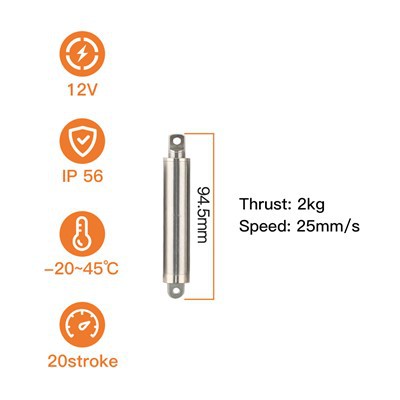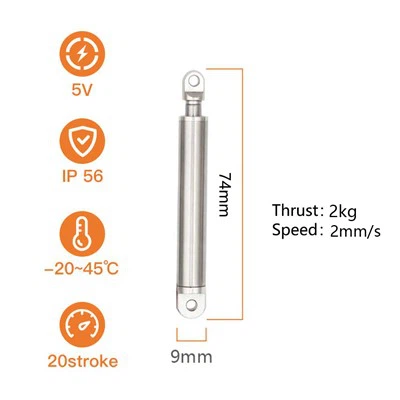
Hey there! I'm a supplier of Actuators Electric, and today I wanna chat about how to protect electric actuators from dust and moisture. As we all know, electric actuators are crucial components in many industrial and automation systems. But dust and moisture can really mess them up, leading to reduced performance, shorter lifespan, and even complete failure. So, let's dig into some practical ways to keep these bad boys safe.
Why Dust and Moisture Are a Big Deal
First off, let's understand why dust and moisture are such a headache for electric actuators. Dust can accumulate inside the actuator, clogging up moving parts and interfering with electrical connections. This can cause increased friction, overheating, and erratic operation. On the other hand, moisture can lead to corrosion of metal components, short circuits in electrical systems, and the growth of mold and mildew. All these issues can seriously affect the performance and reliability of your electric actuators.
Sealing Is Key
One of the most effective ways to protect electric actuators from dust and moisture is through proper sealing. Make sure the actuator housing is well-sealed to prevent dust and moisture from getting inside. Look for actuators with high-quality gaskets and seals that are designed to withstand harsh environments. Some actuators even come with IP (Ingress Protection) ratings, which indicate their level of protection against dust and water. For example, an IP65-rated actuator is dust-tight and protected against low-pressure water jets.
If you already have an actuator that's not well-sealed, you can use additional sealing materials like silicone sealant to fill any gaps or cracks. Just make sure to clean the surface thoroughly before applying the sealant to ensure a good bond.
Enclosures and Covers
Another option is to use enclosures or covers to protect your electric actuators. There are various types of enclosures available, made from different materials such as plastic, metal, or fiberglass. These enclosures can provide an extra layer of protection against dust, moisture, and other environmental hazards.
When choosing an enclosure, consider the size and shape of your actuator, as well as the specific environmental conditions it will be exposed to. Make sure the enclosure has proper ventilation to prevent overheating, and that it's easy to access for maintenance and inspection.
Regular Maintenance
Regular maintenance is essential for keeping your electric actuators in good condition. This includes cleaning the actuator regularly to remove any dust or debris that may have accumulated on the surface. You can use a soft brush or compressed air to clean hard-to-reach areas.
Inspect the seals and gaskets regularly for signs of wear or damage, and replace them if necessary. Check the electrical connections to make sure they're tight and free of corrosion. And don't forget to lubricate the moving parts as recommended by the manufacturer to reduce friction and wear.
Environmental Control
In some cases, it may be possible to control the environment where the electric actuators are located to reduce the risk of dust and moisture damage. For example, you can use air filters to remove dust from the air, and dehumidifiers to reduce the humidity level. This can be especially effective in indoor environments where you have more control over the conditions.
Using Protective Coatings
Applying protective coatings to the actuator can also help to prevent dust and moisture from causing damage. There are various types of coatings available, such as epoxy coatings, powder coatings, and anti-corrosion paints. These coatings can provide a barrier between the actuator and the environment, protecting it from dust, moisture, and other contaminants.
Before applying a coating, make sure to clean and prepare the surface of the actuator properly to ensure good adhesion. Follow the manufacturer's instructions carefully when applying the coating, and allow it to dry completely before using the actuator.
Choosing the Right Actuator
When selecting an electric actuator, it's important to choose one that's suitable for the specific environment it will be used in. If you're working in a dusty or wet environment, look for actuators that are designed to be dust- and moisture-resistant. For example, Electric Cylinder 6V and Electric Actuator 6V are great options for applications where dust and moisture are a concern.
The Electric Linear Actuator is also a popular choice for many industrial and automation applications. It's designed to provide precise linear motion, and it can be equipped with various features to enhance its performance and durability in harsh environments.
Conclusion
Protecting electric actuators from dust and moisture is crucial for ensuring their long-term performance and reliability. By following the tips and strategies outlined in this blog post, you can help to keep your actuators in good condition and avoid costly repairs or replacements.
If you're in the market for high-quality electric actuators, or if you have any questions about protecting your existing actuators from dust and moisture, don't hesitate to get in touch. We're here to help you find the right solutions for your specific needs.

References
- Manufacturer's manuals and specifications for electric actuators
- Industry standards and guidelines for actuator protection
- Technical articles and research papers on actuator maintenance and protection