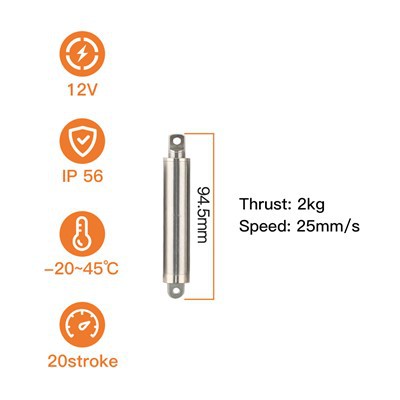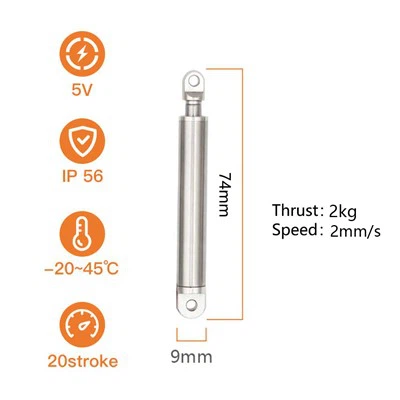
Miniature linear motors are essential components in a wide range of applications, from precision medical devices to high - tech automation systems. As a leading supplier of miniature linear motors, understanding and meeting the electrical insulation requirements is crucial for ensuring the safety, reliability, and performance of our products. In this blog, we will delve into the key electrical insulation requirements for miniature linear motors.
Why Electrical Insulation Matters
Electrical insulation in a miniature linear motor serves several vital purposes. Firstly, it protects the motor from electrical short - circuits. Short - circuits can cause overheating, damage to the motor windings, and even pose a safety hazard, such as the risk of fire or electric shock. Secondly, proper insulation helps to maintain the efficiency of the motor. When the electrical current is properly contained within the intended paths, the motor can operate at its optimal power level, reducing energy losses and improving overall performance.


Insulation Resistance
One of the primary electrical insulation requirements for a miniature linear motor is a sufficient insulation resistance. Insulation resistance is a measure of how well the insulation material resists the flow of electrical current. A high insulation resistance indicates that the insulation is effective at preventing current leakage.
The insulation resistance of a miniature linear motor is typically measured in megohms (MΩ). For most applications, an insulation resistance of at least 1 MΩ is required at room temperature and normal humidity conditions. However, in more demanding environments, such as those with high humidity or exposure to contaminants, a higher insulation resistance may be necessary.
To ensure the insulation resistance meets the requirements, we conduct regular testing during the manufacturing process. We use specialized insulation resistance testers to measure the resistance between the motor windings and the motor frame. If the measured insulation resistance is below the specified value, we take corrective actions, such as re - insulating the motor or replacing faulty insulation materials.
Dielectric Strength
Dielectric strength is another important insulation requirement. It refers to the maximum electric field that an insulation material can withstand without breaking down. When the electric field exceeds the dielectric strength of the insulation, a breakdown occurs, which can lead to a short - circuit and damage to the motor.
The dielectric strength of the insulation material used in our miniature linear motors is carefully selected based on the operating voltage of the motor. For low - voltage applications, such as 12V Dc Linear Actuator, a lower dielectric strength may be sufficient. However, for higher - voltage applications, like 24 Volt Actuator or Linear Actuator 24V, a higher dielectric strength insulation material must be used.
We perform dielectric strength tests on our miniature linear motors to ensure they can withstand the specified voltage levels. During the test, a high - voltage source is applied to the motor windings for a specified period, and the motor is monitored for any signs of breakdown. If the motor passes the test, it indicates that the insulation has sufficient dielectric strength to operate safely under normal conditions.
Insulation Materials
The choice of insulation materials is critical in meeting the electrical insulation requirements of a miniature linear motor. There are several types of insulation materials commonly used in our motors, each with its own advantages and limitations.
- Polyimide Films: Polyimide films are known for their excellent thermal stability, mechanical strength, and electrical insulation properties. They can withstand high temperatures and are resistant to chemicals and solvents. Polyimide films are often used as an insulation layer between the motor windings to prevent short - circuits.
- Epoxy Resins: Epoxy resins are widely used for encapsulating the motor windings. They provide good electrical insulation, mechanical protection, and moisture resistance. Epoxy resins can be molded into various shapes, making them suitable for different motor designs.
- Fiberglass Reinforced Plastics (FRP): FRP materials have high mechanical strength and good electrical insulation properties. They are often used as the motor frame or housing to provide additional insulation and protection for the motor components.
Environmental Factors
Environmental factors can significantly affect the electrical insulation performance of a miniature linear motor. High humidity, temperature variations, and exposure to contaminants can all degrade the insulation over time.
- Humidity: Moisture can penetrate the insulation material, reducing its insulation resistance and dielectric strength. To protect against humidity, we use moisture - resistant insulation materials and apply protective coatings to the motor components. In addition, we design our motors with proper ventilation to prevent the accumulation of moisture inside the motor.
- Temperature: Extreme temperatures can also have a negative impact on the insulation. High temperatures can cause the insulation material to expand and contract, leading to cracks and breakdowns. Low temperatures can make the insulation material brittle and more prone to damage. We select insulation materials with a wide temperature range to ensure the motor can operate safely in different temperature environments.
- Contaminants: Dust, dirt, and chemicals can contaminate the insulation material, reducing its insulation performance. We take measures to protect the motor from contaminants, such as using sealed enclosures and filters. In addition, we recommend regular maintenance and cleaning of the motors to remove any accumulated contaminants.
Safety Standards and Certifications
To ensure the safety and reliability of our miniature linear motors, we comply with various international safety standards and certifications. These standards and certifications provide guidelines and requirements for electrical insulation, as well as other aspects of motor design and performance.
Some of the common safety standards we adhere to include UL (Underwriters Laboratories), CE (Conformité Européene), and IEC (International Electrotechnical Commission) standards. By obtaining these certifications, we demonstrate our commitment to producing high - quality, safe, and reliable miniature linear motors.
Conclusion
As a supplier of miniature linear motors, we understand the importance of meeting the electrical insulation requirements. Proper electrical insulation is essential for ensuring the safety, reliability, and performance of our motors. We use high - quality insulation materials, conduct rigorous testing, and take into account environmental factors to ensure our motors can operate safely in various applications.
If you are in the market for a miniature linear motor and have specific electrical insulation requirements, we are here to help. Our team of experts can provide you with customized solutions to meet your needs. Contact us today to start a procurement discussion and find the perfect miniature linear motor for your application.
References
- Electrical Insulation Handbook, IEEE Press
- Standards for Electric Machines and Power Transformers, IEC