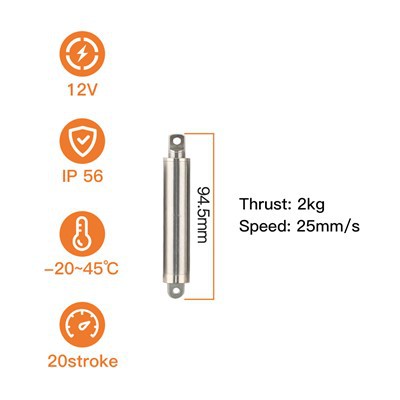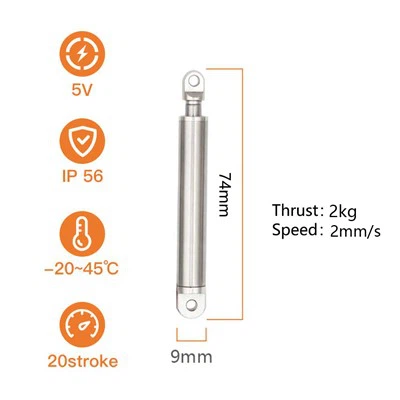
Hey there! As a supplier of Tiny Linear Actuators, I've seen firsthand how important it is to keep these little powerhouses in tip - top shape. One of the key maintenance tasks is lubrication. In this blog, I'll walk you through how to lubricate a tiny linear actuator, so you can ensure its smooth operation and a longer lifespan.
Why Lubrication Matters
Before we dive into the how - to, let's talk about why lubricating your tiny linear actuator is so crucial. These actuators are designed to move precisely and efficiently. Over time, friction can build up between the moving parts, like the screw, nut, and bearings. This friction not only makes the actuator work harder, but it can also lead to wear and tear, reducing its accuracy and eventually causing it to fail prematurely.
Lubrication helps to reduce this friction. It forms a protective layer between the moving parts, allowing them to glide smoothly against each other. This not only improves the actuator's performance but also extends its service life, saving you money in the long run.
Tools and Lubricants You'll Need
First things first, gather the necessary tools and lubricants. You'll need a small, clean brush, like a paintbrush or a toothbrush. This will help you apply the lubricant evenly. You'll also need a lint - free cloth to wipe off any excess lubricant and clean the actuator before and after lubrication.
When it comes to lubricants, there are several options. For tiny linear actuators, a high - quality silicone - based or synthetic lubricant is usually a great choice. These lubricants offer excellent lubrication properties, resist moisture and corrosion, and have a long service life. Avoid using petroleum - based lubricants, as they can attract dust and dirt, which may damage the actuator.
Step - by - Step Lubrication Process
Step 1: Power Off and Disconnect
Safety first! Before you start lubricating the actuator, make sure it's powered off and disconnected from any power source. This will prevent any accidental movement that could cause injury or damage to the actuator.
Step 2: Clean the Actuator
Use the lint - free cloth to clean the exterior of the actuator. Remove any dust, dirt, or debris that may have accumulated on the surface. Pay special attention to the areas around the moving parts, like the screw and the nut. You can use a mild cleaning solution if necessary, but make sure to dry the actuator thoroughly before proceeding.
Step 3: Identify the Lubrication Points
Most tiny linear actuators have specific lubrication points. These are usually marked on the actuator or mentioned in the user manual. Common lubrication points include the screw, the nut, and the bearings. If you're not sure where the lubrication points are, refer to the manual or contact our support team. We're always here to help at Tiny Linear Actuator.
Step 4: Apply the Lubricant
Dip the small brush into the lubricant and apply a thin, even layer to the lubrication points. Be careful not to over - apply the lubricant, as excess lubricant can attract dust and dirt. For the screw and the nut, apply the lubricant along the entire length of the screw. For the bearings, apply a small amount of lubricant directly to the bearing surface.
Step 5: Spread the Lubricant
After applying the lubricant, use the brush to spread it evenly over the lubrication points. Make sure the lubricant reaches all the nooks and crannies. You can also move the actuator slightly to help distribute the lubricant.
Step 6: Wipe Off Excess Lubricant
Use the lint - free cloth to wipe off any excess lubricant. This will prevent the lubricant from dripping onto other parts of the equipment and attracting dust.
Step 7: Reconnect and Test
Once you've finished lubricating the actuator, reconnect it to the power source and test its operation. Make sure it moves smoothly and without any unusual noises or resistance. If you notice any problems, double - check the lubrication and contact our support team for further assistance.
How Often Should You Lubricate?
The frequency of lubrication depends on several factors, such as the operating environment, the load on the actuator, and the type of lubricant used. In general, it's a good idea to lubricate your tiny linear actuator every 3 - 6 months for normal use. If the actuator is used in a harsh environment, like a dusty or wet area, or if it's under heavy load, you may need to lubricate it more frequently.
Benefits of Proper Lubrication
Proper lubrication of your tiny linear actuator offers several benefits. Firstly, it improves the actuator's performance. The actuator will move more smoothly and precisely, which is crucial for applications that require high accuracy. Secondly, it reduces wear and tear on the moving parts, extending the actuator's service life. This means you won't have to replace the actuator as often, saving you both time and money.


Moreover, lubrication helps to protect the actuator from corrosion and moisture. This is especially important if the actuator is used in a harsh environment. By keeping the actuator well - lubricated, you can ensure its reliability and durability.
Other Maintenance Tips
In addition to lubrication, there are other maintenance tasks you can perform to keep your tiny linear actuator in good condition. Regularly inspect the actuator for any signs of damage, like cracks, wear, or loose parts. If you notice any problems, replace the damaged parts immediately.
Keep the actuator clean and dry. Avoid exposing it to extreme temperatures, moisture, or dust. If the actuator is used in a dirty environment, consider using a protective cover to prevent dust and debris from entering the actuator.
Conclusion
Lubricating a tiny linear actuator is a simple yet important maintenance task that can significantly improve its performance and extend its service life. By following the steps outlined in this blog, you can ensure that your actuator operates smoothly and reliably for years to come.
If you're in the market for a high - quality tiny linear actuator or need more information about actuator maintenance, we're here to help. We offer a wide range of Fast Actuators Linear and Fast Linear Actuator options to meet your specific needs. Contact us today to discuss your requirements and start a purchase negotiation. We look forward to working with you!
References
- Manufacturer's user manuals for tiny linear actuators
- Industry standards and best practices for actuator lubrication and maintenance