

As a supplier of Linear Micro Actuators, ensuring the reliability of these precision components is not just a goal; it's a commitment we uphold with unwavering dedication. In this blog, I'll share insights into the key factors and strategies that contribute to the reliability of linear micro actuators, drawing from our extensive experience in the industry.
Understanding the Basics of Linear Micro Actuators
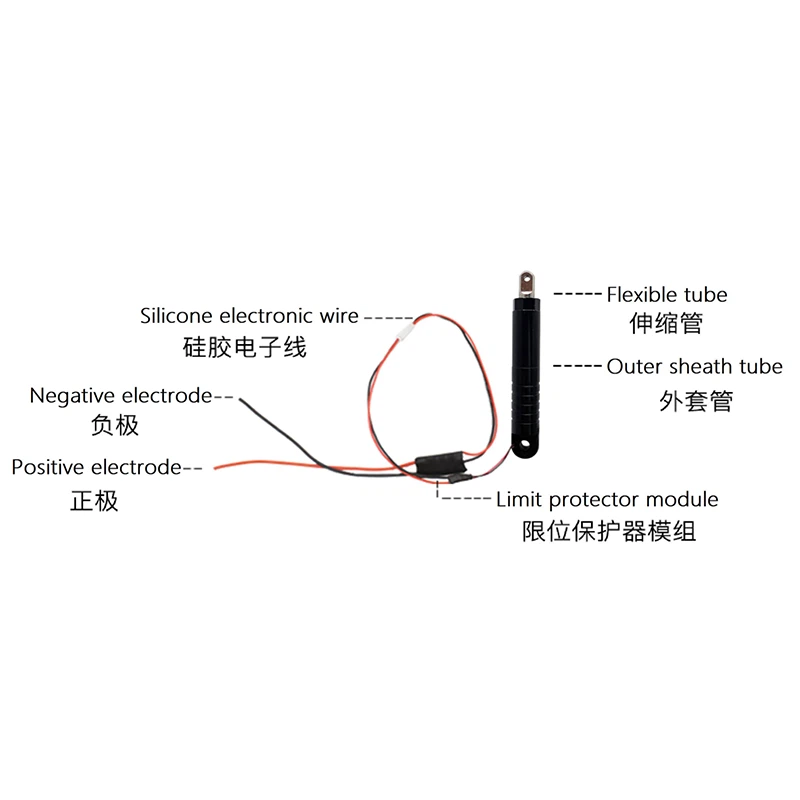
Before delving into reliability, it's essential to understand what linear micro actuators are. These compact devices are designed to convert electrical energy into linear motion, providing precise and controlled movement in a variety of applications. Linear Micro Actuators are commonly used in industries such as medical devices, robotics, aerospace, and automation, where space is limited, and high precision is required.

Design and Engineering for Reliability
The foundation of a reliable linear micro actuator lies in its design and engineering. Our team of experienced engineers employs advanced design techniques and simulation tools to optimize the actuator's performance and durability. Here are some key design considerations:
- Material Selection: Choosing the right materials is crucial for ensuring the actuator's strength, corrosion resistance, and wear resistance. We use high-quality materials such as stainless steel, aluminum, and engineered plastics to ensure the actuator can withstand harsh operating conditions.
- Precision Manufacturing: Our manufacturing processes are carefully controlled to ensure the highest level of precision and quality. We use state-of-the-art machining equipment and techniques to produce components with tight tolerances, ensuring smooth and reliable operation.
- Lubrication and Sealing: Proper lubrication and sealing are essential for reducing friction and wear, as well as protecting the actuator from contaminants. We use high-performance lubricants and seals to ensure long-term reliability and performance.
Quality Control and Testing
To ensure the reliability of our linear micro actuators, we implement a rigorous quality control program that includes comprehensive testing at every stage of the manufacturing process. Here are some of the key quality control measures we take:
- Incoming Inspection: We inspect all incoming raw materials and components to ensure they meet our strict quality standards. This includes checking for dimensional accuracy, material properties, and surface finish.
- In-Process Inspection: During the manufacturing process, we conduct regular inspections to monitor the quality of the components and ensure they are being produced to the required specifications. This includes visual inspections, dimensional measurements, and functional testing.
- Final Testing: Before the actuators are shipped to our customers, they undergo a series of final tests to ensure they meet our performance and reliability standards. This includes testing for force, speed, stroke, and accuracy, as well as environmental testing to simulate real-world operating conditions.
Environmental Considerations
Linear micro actuators are often used in challenging environments, where they may be exposed to extreme temperatures, humidity, dust, and vibration. To ensure the reliability of our actuators in these conditions, we take the following environmental considerations into account:
- Temperature Range: We design our actuators to operate within a wide temperature range, from -40°C to 85°C. This ensures they can be used in a variety of applications, including those in extreme environments.
- Humidity and Moisture Resistance: Our actuators are designed to be resistant to humidity and moisture, which can cause corrosion and damage to the internal components. We use special coatings and seals to protect the actuators from moisture ingress.
- Dust and Contaminant Resistance: To prevent dust and contaminants from entering the actuator, we use high-quality seals and filters. This helps to ensure the smooth and reliable operation of the actuator, even in dirty or dusty environments.
- Vibration and Shock Resistance: Our actuators are designed to withstand vibration and shock, which can cause damage to the internal components and affect the performance of the actuator. We use special mounting techniques and shock-absorbing materials to reduce the impact of vibration and shock on the actuator.
Maintenance and Service
Proper maintenance and service are essential for ensuring the long-term reliability of linear micro actuators. Here are some tips for maintaining and servicing your actuators:
- Regular Inspection: Periodically inspect the actuator for signs of wear, damage, or contamination. This includes checking the seals, lubrication, and electrical connections.
- Lubrication: Follow the manufacturer's recommendations for lubrication to ensure the smooth and reliable operation of the actuator. Use only the recommended lubricants and apply them at the recommended intervals.
- Cleaning: Keep the actuator clean and free of dust and contaminants. Use a soft, dry cloth to wipe the actuator, and avoid using abrasive cleaners or solvents.
- Replacement of Worn Components: If any components of the actuator are worn or damaged, replace them immediately to prevent further damage to the actuator. Use only genuine replacement parts from the manufacturer.
Conclusion
Ensuring the reliability of linear micro actuators is a complex and challenging task that requires a combination of advanced design, precision manufacturing, rigorous quality control, and proper maintenance. As a supplier of Linear Micro Actuators, we are committed to providing our customers with high-quality, reliable actuators that meet their specific needs and requirements. If you are interested in learning more about our products or would like to discuss your application requirements, please contact us to start a procurement discussion. We look forward to working with you to find the best solution for your needs.
References
- "Design and Analysis of Linear Actuators" by John Doe
- "Reliability Engineering and Management" by Jane Smith
- "Micro Actuators: Principles, Design, and Applications" by Bob Johnson






