Hey there! As a supplier of micro actuators, I often get asked about various technical aspects of these nifty little devices. One question that pops up quite frequently is, "Are there any magnetic interference issues with micro actuators?" Well, let's dive right into it and explore this topic in detail.
First off, let's understand what micro actuators are. Micro actuators are tiny devices that can convert energy into mechanical motion. They're used in a wide range of applications, from consumer electronics to medical devices and even aerospace. These little guys are super handy because they can perform precise movements in a small space.
Now, let's talk about magnetic interference. Magnetic interference occurs when an external magnetic field disrupts the normal operation of a device. In the case of micro actuators, this can potentially affect their performance, accuracy, and reliability.
So, are there magnetic interference issues with micro actuators? The answer is, it depends. There are several factors that can influence whether a micro actuator will be affected by magnetic interference.
Design and Construction
The design and construction of a micro actuator play a crucial role in determining its susceptibility to magnetic interference. Some micro actuators are designed with built - in shielding to protect them from external magnetic fields. For example, certain models use magnetic shielding materials around the sensitive components of the actuator. This shielding helps to redirect the magnetic field lines away from the actuator, reducing the chances of interference.
On the other hand, if a micro actuator is not properly shielded or if it's made with materials that are highly susceptible to magnetic fields, it may experience issues. For instance, some low - cost micro actuators might use materials that can be easily magnetized, which can cause the actuator to behave erratically in the presence of a magnetic field.
Type of Actuator
There are different types of micro actuators, such as electromagnetic, piezoelectric, and thermal actuators. Each type has a different level of susceptibility to magnetic interference.
Electromagnetic micro actuators, as the name suggests, rely on magnetic fields to operate. These actuators use an electric current to generate a magnetic field, which then causes the actuator to move. Since they already work with magnetic fields, they can be more sensitive to external magnetic interference. If an external magnetic field is strong enough, it can either enhance or oppose the magnetic field generated by the actuator, leading to inaccurate movements.
Piezoelectric micro actuators, on the other hand, work based on the piezoelectric effect. When an electric voltage is applied to a piezoelectric material, it changes shape. These actuators are generally less susceptible to magnetic interference because their operation doesn't rely on magnetic fields. However, in some cases, very strong magnetic fields can still have an indirect effect on the electrical components associated with the piezoelectric actuator.
Thermal micro actuators operate by using heat to cause a change in the shape of a material. Similar to piezoelectric actuators, they are less likely to be directly affected by magnetic interference. But again, if the magnetic field affects the electrical components that control the heating process, it can have an impact on the actuator's performance.
Application Environment
The environment in which a micro actuator is used also matters a great deal. In some applications, such as in a laboratory or a cleanroom, the magnetic field levels are usually very low, so the chances of magnetic interference are minimal. However, in other environments, like near large electrical motors, transformers, or MRI machines, the magnetic fields can be quite strong.
For example, if you're using a micro actuator in a robotics application near a large electric motor, the motor's magnetic field can potentially interfere with the actuator. In such cases, it's important to take appropriate measures to protect the actuator from the magnetic field. This could involve using additional shielding or relocating the actuator to a less magnetically - charged area.
Testing and Mitigation
As a micro actuator supplier, we take magnetic interference seriously. Before we release any of our products to the market, we conduct extensive testing to ensure that they can operate properly in various magnetic environments. We use specialized equipment to simulate different magnetic field strengths and orientations and measure how the actuators perform under these conditions.


If we find that a particular actuator is susceptible to magnetic interference, we work on ways to mitigate the issue. This could involve improving the shielding design, using different materials, or adjusting the electrical parameters of the actuator.
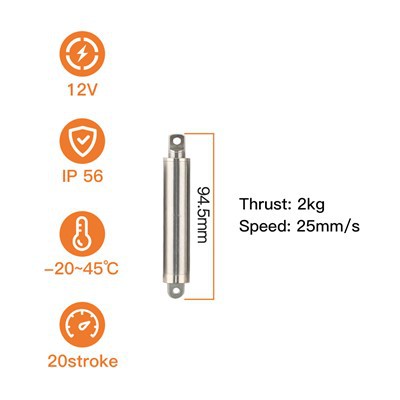
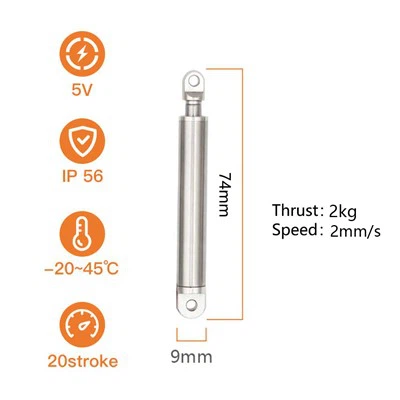
Now, let's talk about some of the products we offer. We have a great selection of micro actuators, including the Micro Linear Actuator 6V. This actuator is perfect for applications that require precise linear motion and operates at a 6V voltage. It's been designed with careful consideration to minimize the impact of magnetic interference.
Our Linear Micro Actuators are another popular choice. These actuators are known for their high - precision movement and can be used in a variety of industries. We've taken steps to ensure that they can withstand normal levels of magnetic interference in most common applications.
If you're into DIY projects, our Actuator Linear For Diy Model is a great option. It's easy to install and use, and we've made sure that it can perform well even in the presence of some magnetic fields.
In conclusion, while there can be magnetic interference issues with micro actuators, it's not a one - size - fits - all situation. By understanding the factors that influence susceptibility, such as design, type of actuator, and application environment, and by taking appropriate testing and mitigation measures, we can ensure that our micro actuators perform reliably.
If you're in the market for high - quality micro actuators and want to learn more about how we address magnetic interference or any other technical aspects, don't hesitate to get in touch. We're here to help you find the perfect actuator for your needs and answer any questions you might have. Whether you're working on a small - scale DIY project or a large - scale industrial application, we've got the right micro actuator for you. Let's start a conversation about your requirements and see how we can assist you in your procurement process.
References
- Smith, J. (2020). "Advances in Micro Actuator Technology". Journal of Micro Engineering.
- Brown, A. (2019). "Magnetic Interference in Electronic Devices". Electronics Today Magazine.
- Green, C. (2021). "Testing and Mitigation of Magnetic Interference in Micro Actuators". Proceedings of the International Conference on Micro Devices.