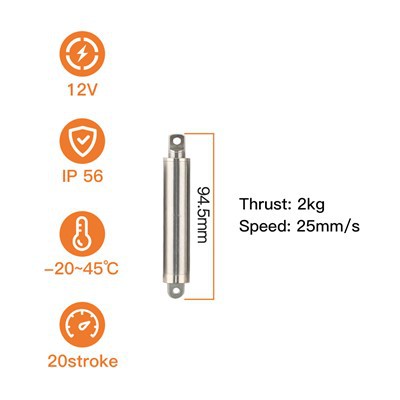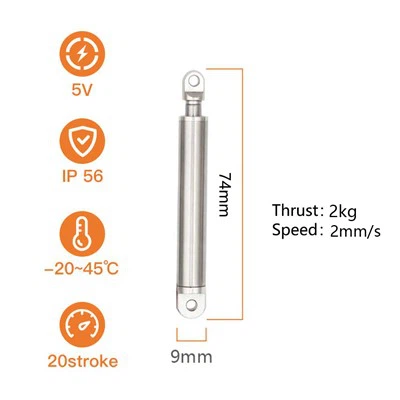
Insulation resistance is a crucial parameter when it comes to the safety and performance of electrical equipment, including a 6V electric cylinder. As a supplier of Electric Cylinder 6V, I understand the importance of ensuring that our products meet the highest standards of quality and safety. In this blog post, I will guide you through the process of checking the insulation resistance of a 6V electric cylinder.
Understanding Insulation Resistance
Insulation resistance refers to the resistance between the electrical conductors and the non - conducting materials (insulation) in an electrical device. A high insulation resistance indicates good insulation, which helps prevent electrical leakage, short - circuits, and potential safety hazards. For a 6V electric cylinder, maintaining proper insulation resistance is essential for its reliable operation and the safety of the users.
Tools Required
Before you start checking the insulation resistance of a 6V electric cylinder, you need to gather the necessary tools:


- Insulation Resistance Tester: Also known as a megohmmeter or megger. This device is specifically designed to measure high resistances. Make sure the tester is suitable for measuring resistances in the range relevant to the electric cylinder and can generate the appropriate test voltage.
- Protective Equipment: Wear insulated gloves and safety glasses to protect yourself from any potential electrical shocks during the testing process.
- Cleaning Materials: You may need a clean, dry cloth to wipe the surfaces of the electric cylinder to ensure accurate measurements.
Pre - testing Preparations
- Power Off: Ensure that the 6V electric cylinder is completely powered off. Disconnect it from any power sources, including batteries or power supplies. This is a critical safety step to prevent electrical shock and damage to the testing equipment.
- Isolate the Cylinder: Remove any external connections such as wires, sensors, or controllers that are attached to the electric cylinder. This isolation helps to get an accurate measurement of the insulation resistance of the cylinder itself.
- Inspect the Cylinder: Visually inspect the electric cylinder for any signs of physical damage, such as cracks, burns, or moisture. If there is visible damage, it may affect the insulation resistance and the cylinder may need to be repaired or replaced.
Testing Procedure
- Set Up the Insulation Resistance Tester:
- Turn on the insulation resistance tester and select the appropriate test voltage. For a 6V electric cylinder, a test voltage of 50V or 100V is usually sufficient. Refer to the manufacturer's guidelines for the exact test voltage recommendation.
- Zero - adjust the tester if required. This ensures accurate measurements.
- Connect the Tester:
- Connect the test leads of the insulation resistance tester to the appropriate points on the electric cylinder. One lead should be connected to the electrical conductor (such as the motor terminals) and the other lead should be connected to the grounded metal frame of the cylinder. Make sure the connections are secure.
- Perform the Measurement:
- Once the connections are made, start the measurement process on the insulation resistance tester. The tester will apply the selected test voltage across the insulation and measure the resulting current. Based on Ohm's law (R = V/I), it will calculate and display the insulation resistance value.
- Keep the test voltage applied for a specific period, usually around 60 seconds. This allows the insulation to stabilize and provides a more accurate measurement.
- Record the Result:
- Note down the insulation resistance value displayed on the tester. Compare this value with the manufacturer's specified minimum insulation resistance for the 6V electric cylinder. If the measured value is lower than the specified minimum, it may indicate a problem with the insulation.
Interpreting the Results
- Acceptable Values: If the measured insulation resistance is within the range specified by the manufacturer, the insulation of the 6V electric cylinder is considered to be in good condition. This means that the cylinder is less likely to experience electrical leakage and is safe to operate.
- Low Resistance Values: A low insulation resistance value may indicate several issues, such as moisture ingress, damaged insulation, or contamination. In such cases, further investigation is required. You can try drying the cylinder if moisture is suspected or inspect the insulation for physical damage.
- Zero or Near - Zero Resistance: If the insulation resistance is close to zero, it indicates a short - circuit in the insulation. This is a serious problem that requires immediate attention. The electric cylinder should not be used until the issue is resolved.
Post - testing Steps
- Disconnect the Tester: After completing the measurement, turn off the insulation resistance tester and disconnect the test leads from the electric cylinder.
- Reconnect the Cylinder: Reconnect all the external connections that were removed during the pre - testing preparations, such as wires, sensors, and controllers.
- Power On and Test: Power on the 6V electric cylinder and perform a functional test to ensure that it is operating normally.
Importance of Regular Insulation Resistance Checks
Regularly checking the insulation resistance of a 6V electric cylinder is essential for several reasons:
- Safety: It helps to prevent electrical shocks to users and operators. Good insulation reduces the risk of electrical leakage, which can be dangerous in industrial or domestic settings.
- Reliability: By detecting insulation problems early, you can prevent unexpected breakdowns and downtime. This is especially important in applications where the electric cylinder is a critical component.
- Compliance: Many industry standards and regulations require regular insulation resistance testing of electrical equipment to ensure compliance with safety and quality requirements.
Related Products
In addition to our Electric Cylinder 6V, we also offer other high - quality products such as Electric Motor Linear Actuator and Fast Electric Actuator. These products are designed to meet the diverse needs of our customers and provide reliable performance in various applications.
Contact for Procurement
If you are interested in purchasing our 6V electric cylinders or other related products, we encourage you to contact us for procurement and further discussions. Our team of experts is ready to assist you in finding the right solutions for your specific requirements.
References
- Electrical Safety Standards Handbook
- Electric Cylinder Manufacturer's Technical Manuals