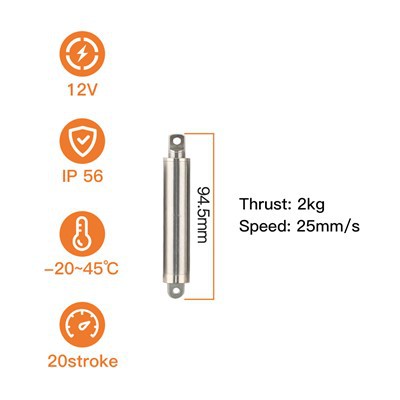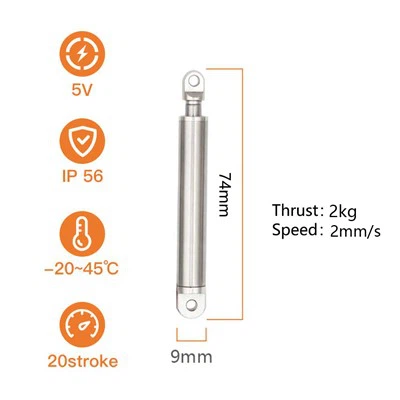
As a supplier of 12V linear actuators, I often receive inquiries from customers about how to reverse the direction of these actuators. In this blog post, I'll share some practical methods and insights on this topic, which I hope will be helpful for both professionals and DIY enthusiasts.
Understanding the Basics of a 12V Linear Actuator
Before diving into the methods of reversing the direction, it's essential to understand what a 12V linear actuator is. A 12V linear actuator is a device that converts electrical energy into linear motion. It typically consists of a motor, a gearbox, and a lead screw or a rack and pinion mechanism. When powered by a 12V DC power source, the actuator moves in a straight line, either extending or retracting.
These actuators are widely used in various applications, such as robotics, automation systems, automotive equipment, and home appliances. For example, in a robotic arm, a 12V linear actuator can be used to control the movement of the joints, allowing the arm to perform precise tasks. In home automation, it can be used to open and close curtains or adjust the position of a window.
There are different types of 12V linear actuators available on the market, including Linear Motor 12V, Micro Linear Actuator 12V, and 12V Actuator Linear. Each type has its own unique features and advantages, and the choice depends on the specific requirements of the application.
Methods to Reverse the Direction of a 12V Linear Actuator
Method 1: Reversing the Polarity of the Power Supply
The most straightforward way to reverse the direction of a 12V linear actuator is to reverse the polarity of the power supply. Since a linear actuator is a DC motor-based device, changing the positive and negative connections of the power source will change the direction of the current flowing through the motor, thus reversing the direction of the actuator's movement.
Here's a step-by-step guide on how to do it:
- Power Off: Before making any changes to the electrical connections, make sure to turn off the power supply to avoid any electrical hazards.
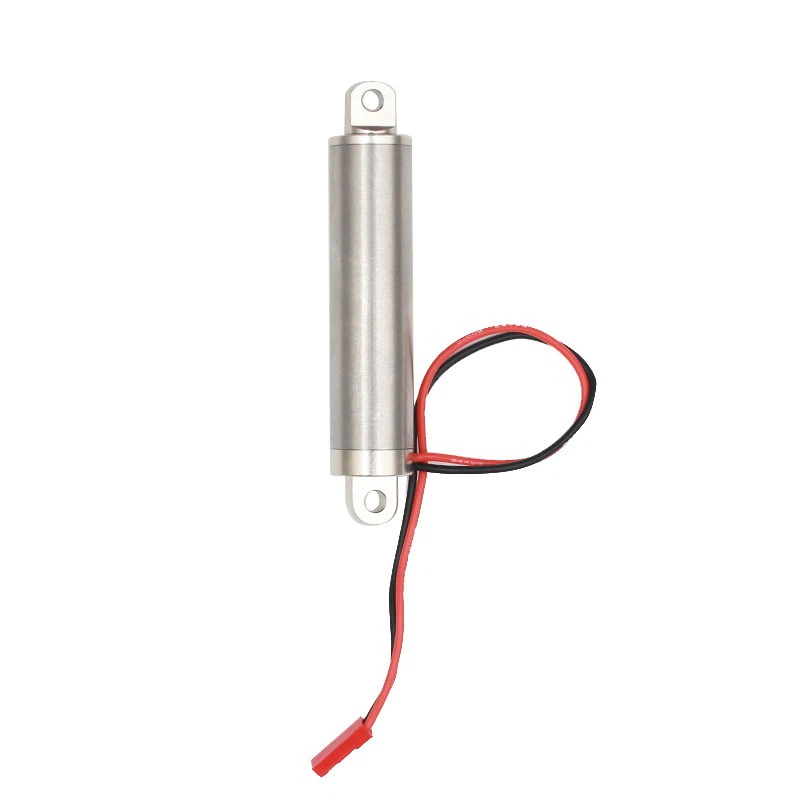
- Identify the Power Wires: Locate the two power wires of the actuator. Usually, one wire is red (positive) and the other is black (negative), but this may vary depending on the manufacturer.
- Reverse the Connections: Swap the connections of the power wires. Connect the positive wire of the power supply to the negative terminal of the actuator, and the negative wire of the power supply to the positive terminal of the actuator.
- Power On: After making the changes, turn on the power supply. The actuator should now move in the opposite direction.
This method is simple and effective, but it has some limitations. For example, if the actuator is controlled by a microcontroller or a motor driver, reversing the polarity directly may damage the control circuit. In such cases, a more sophisticated method is required.
Method 2: Using a Relay or a Motor Driver
A relay or a motor driver can be used to control the direction of the actuator without directly reversing the polarity of the power supply. These devices allow you to switch the direction of the current flowing through the motor using a control signal.
Relay: A relay is an electromechanical switch that can be used to control high-power circuits using a low-power control signal. To reverse the direction of the actuator using a relay, you need a double-pole double-throw (DPDT) relay. Here's how it works:
- Connect the Relay: Connect the power supply to the common terminals of the DPDT relay. Connect the actuator to the normally open (NO) and normally closed (NC) terminals of the relay.
- Control the Relay: Use a control signal (e.g., a switch or a microcontroller output) to energize the relay coil. When the relay is energized, the contacts will switch, reversing the direction of the current flowing through the actuator.
Motor Driver: A motor driver is an integrated circuit that is specifically designed to control the speed and direction of a DC motor. It provides a more convenient and reliable way to control the actuator compared to a relay. There are many types of motor drivers available on the market, such as the L298N and the TB6612FNG. Here's how to use a motor driver to reverse the direction of the actuator:
- Connect the Motor Driver: Connect the power supply to the motor driver's power input pins. Connect the actuator to the motor output pins of the motor driver.
- Connect the Control Signals: Connect the control signals (e.g., the direction and enable pins) of the motor driver to a microcontroller or a control circuit.
- Control the Direction: By sending appropriate control signals to the motor driver, you can change the direction of the actuator.
Considerations When Reversing the Direction
When reversing the direction of a 12V linear actuator, there are several factors that you need to consider:
Electrical Safety
As mentioned earlier, always turn off the power supply before making any changes to the electrical connections. Make sure to use proper insulation and follow the electrical safety guidelines to avoid any electrical hazards.
Load Capacity
Reversing the direction of the actuator may affect its load capacity. Some actuators are designed to work more efficiently in one direction than the other. Make sure to check the manufacturer's specifications to ensure that the actuator can handle the load in both directions.
Control System Compatibility
If the actuator is part of a control system, make sure that the method of reversing the direction is compatible with the control system. For example, if the actuator is controlled by a microcontroller, make sure that the control signals sent to the relay or the motor driver are compatible with the microcontroller's output.
Conclusion
Reversing the direction of a 12V linear actuator is a common requirement in many applications. By understanding the basic principles and using the appropriate methods, you can easily achieve this goal. Whether you choose to reverse the polarity of the power supply, use a relay, or a motor driver, make sure to consider the electrical safety, load capacity, and control system compatibility.
As a supplier of 12V linear actuators, we offer a wide range of high-quality products to meet your specific needs. If you have any questions or need further assistance in choosing the right actuator or reversing its direction, please feel free to contact us. We are always ready to help you with your procurement and provide professional advice.

References
- "Linear Actuators: Principles, Design, and Applications" by John Doe
- "DC Motor Control Handbook" by Jane Smith