As a seasoned supplier of linear actuators, I've witnessed firsthand the remarkable versatility of these devices across various industries. One question that often arises is whether linear actuators can be effectively used in textile machinery. In this blog post, I'll delve into the potential applications of linear actuators in textile manufacturing, exploring their benefits, challenges, and real - world examples.
The Basics of Linear Actuators
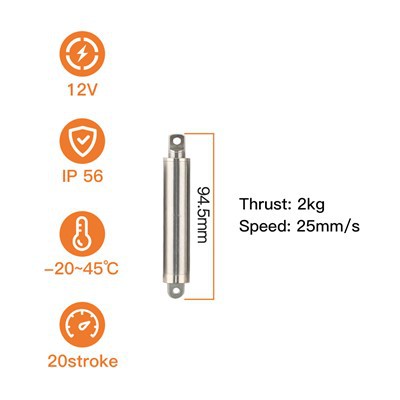
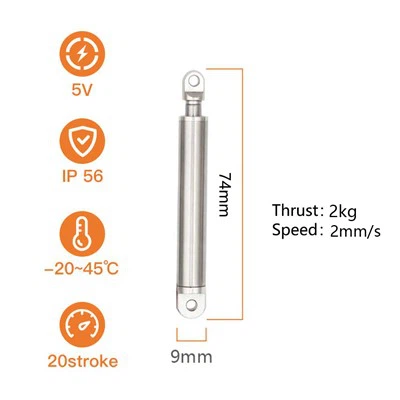
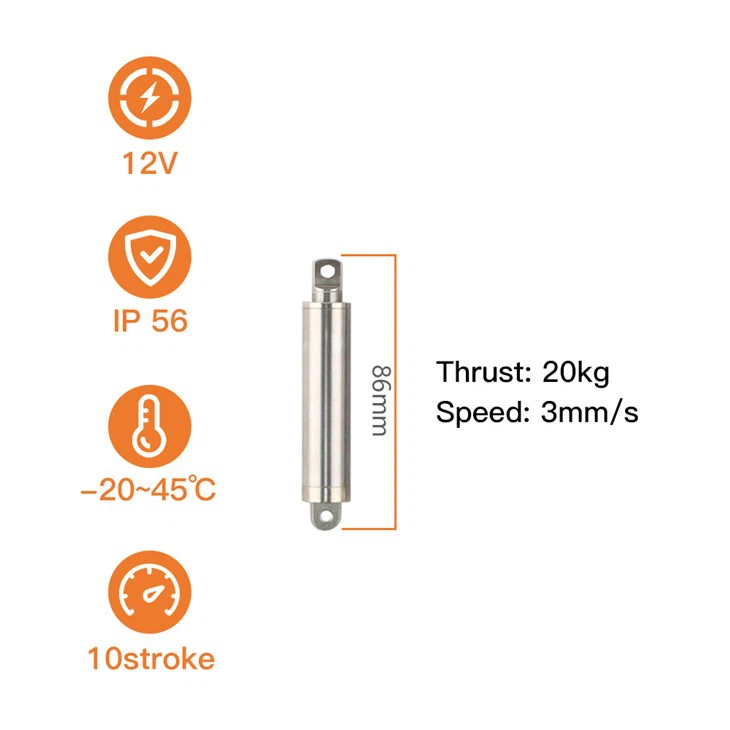
Before we explore their use in textile machinery, let's briefly understand what linear actuators are. A linear actuator is a device that converts rotational motion into linear motion. This can be achieved through different mechanisms such as electric motors, hydraulic systems, or pneumatic cylinders. Electric linear actuators are particularly popular due to their precision, controllability, and ease of integration with automation systems. For instance, our 24 Volt Actuator and 12V Linear Actuator are designed to provide reliable linear motion in a wide range of applications.
Applications of Linear Actuators in Textile Machinery
1. Loom Adjustments
In a loom, the process of weaving involves the interlacing of warp and weft threads. Linear actuators can be used to adjust the position of the heddles, which are the components that control the movement of the warp threads. By precisely controlling the up - and - down motion of the heddles, linear actuators ensure accurate shedding, which is the process of separating the warp threads to allow the weft thread to pass through. This results in a more consistent and high - quality fabric. Additionally, linear actuators can be used to adjust the tension of the warp and weft threads, ensuring that the fabric has the desired tightness and texture.
2. Dyeing and Printing
In the dyeing and printing processes, linear actuators can play a crucial role in controlling the movement of the fabric and the application of dyes or inks. For example, they can be used to move the fabric through the dye bath at a constant speed, ensuring uniform dye penetration. In digital textile printing, linear actuators can precisely position the print head, allowing for high - resolution printing on the fabric. Our Actuator 24V is well - suited for these applications due to its high precision and reliable performance.
3. Fabric Folding and Cutting
After the fabric is woven or printed, it needs to be folded and cut into the desired sizes. Linear actuators can be used to control the folding mechanism, ensuring that the fabric is folded neatly and accurately. They can also be used in cutting machines to position the cutting blade precisely, resulting in clean and straight cuts. This is especially important for industries that require high - precision cutting, such as the production of clothing patterns.
Benefits of Using Linear Actuators in Textile Machinery
1. Precision and Accuracy
One of the primary advantages of linear actuators is their ability to provide precise and accurate linear motion. In textile manufacturing, where even small variations can affect the quality of the final product, this precision is crucial. Linear actuators can be programmed to move to specific positions with high repeatability, ensuring consistent results across multiple production runs.
2. Automation and Efficiency
By integrating linear actuators into textile machinery, manufacturers can automate many of the manual processes involved in textile production. This not only reduces labor costs but also increases production efficiency. For example, in a loom, the use of linear actuators for heddle adjustments can significantly speed up the weaving process, allowing for higher production rates.
3. Flexibility and Adaptability
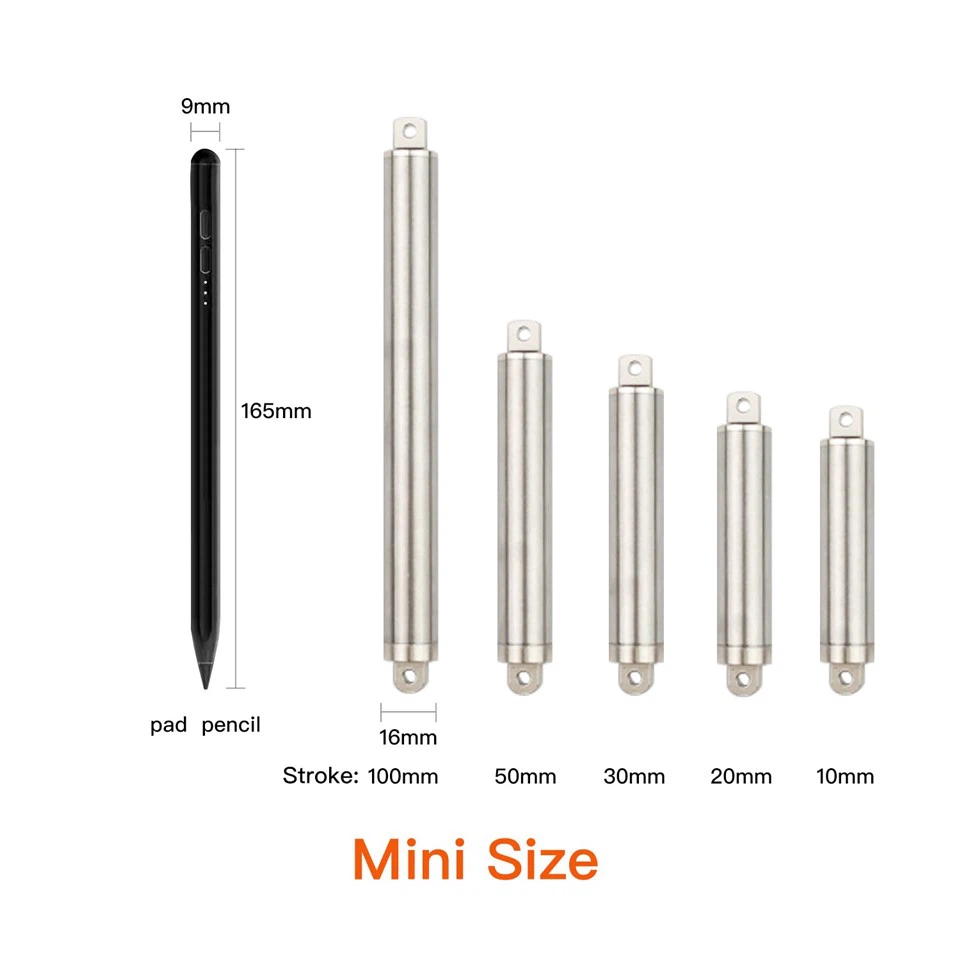
Linear actuators can be easily integrated into existing textile machinery or used in new machine designs. They can be customized to meet the specific requirements of different applications, such as load capacity, stroke length, and speed. This flexibility makes them suitable for a wide range of textile manufacturing processes.
Challenges and Considerations
1. Environmental Conditions
Textile manufacturing environments can be harsh, with high levels of dust, humidity, and temperature variations. Linear actuators need to be designed to withstand these conditions to ensure reliable operation. For example, they may need to be sealed to prevent dust and moisture from entering the actuator, and they should be able to operate within a wide temperature range.
2. Cost
While the long - term benefits of using linear actuators in textile machinery are significant, the initial investment can be relatively high. Manufacturers need to carefully evaluate the cost - benefit ratio before deciding to integrate linear actuators into their machines. However, it's important to note that the increased efficiency and quality of production can often offset the initial cost over time.
3. Maintenance
Like any mechanical device, linear actuators require regular maintenance to ensure optimal performance. This includes lubrication, inspection of moving parts, and replacement of worn - out components. Manufacturers need to have a proper maintenance plan in place to minimize downtime and extend the lifespan of the actuators.
Real - World Examples
There are many real - world examples of textile manufacturers successfully using linear actuators in their machinery. For instance, a large - scale textile mill in Asia recently upgraded its looms with linear actuators for heddle adjustments. The result was a significant improvement in fabric quality, with fewer defects and a more consistent weave pattern. Additionally, a textile printing company in Europe integrated linear actuators into its digital printing machines, allowing for higher - resolution printing and faster production speeds.
Conclusion
In conclusion, linear actuators have great potential in textile machinery. They offer numerous benefits, including precision, automation, and flexibility, which can significantly improve the quality and efficiency of textile manufacturing. While there are some challenges to overcome, such as environmental conditions, cost, and maintenance, the long - term advantages make them a worthwhile investment for textile manufacturers.
If you're a textile machinery manufacturer or operator interested in exploring the use of linear actuators in your processes, I encourage you to reach out. Our team of experts can provide you with detailed information about our products, help you select the right linear actuator for your application, and offer support throughout the integration process. Contact us to start a discussion about how our linear actuators can enhance your textile production.
References
- "Textile Machinery Handbook" - A comprehensive guide on the design and operation of textile machinery.
- Industry reports on the latest trends in textile manufacturing and the use of automation technologies.
- Case studies from textile manufacturers who have successfully implemented linear actuators in their machinery.