Can electric actuators be used in textile machinery?
In the dynamic world of textile manufacturing, the pursuit of efficiency, precision, and innovation is unending. As a leading supplier of electric actuators, I often encounter inquiries about the viability of using our products in textile machinery. This blog post aims to delve into this question, exploring the potential applications, benefits, and considerations of integrating electric actuators into textile manufacturing processes.
Understanding Electric Actuators
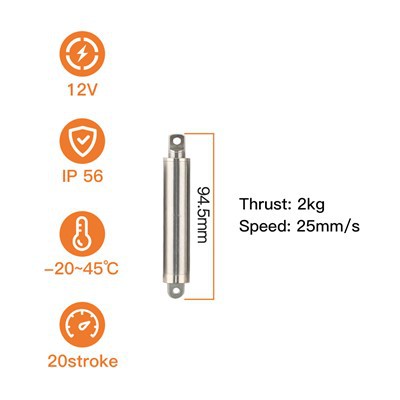
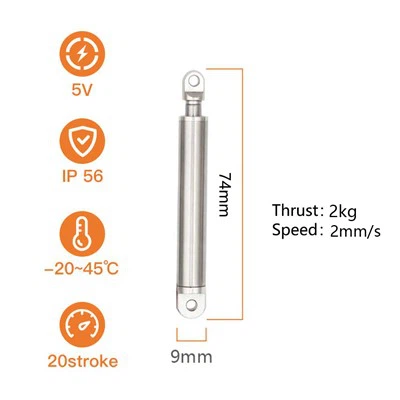
Before we explore their use in textile machinery, let's first understand what electric actuators are. Electric actuators are devices that convert electrical energy into mechanical motion. They offer precise control over movement, speed, and force, making them ideal for a wide range of industrial applications. At our company, we offer a diverse range of electric actuators, including Dc Brush Electric Actuator, Fast Electric Actuator, and Electric Cylinder 6V, each designed to meet specific operational requirements.
Applications of Electric Actuators in Textile Machinery
Weaving Machines
Weaving is a fundamental process in textile manufacturing, where warp and weft yarns are interlaced to create fabric. Electric actuators play a crucial role in this process by controlling the movement of various components, such as the heddles, reeds, and shuttles. They ensure precise positioning and synchronization, resulting in high-quality fabric with consistent weave patterns. For example, our fast electric actuators can be used to drive the shuttle at high speeds, improving the weaving efficiency and productivity.


Knitting Machines
Knitting machines use a series of needles to create loops of yarn, forming a fabric. Electric actuators are used to control the movement of the needles, cams, and other components, enabling precise stitch formation and pattern creation. They offer the flexibility to adjust the knitting speed, tension, and stitch density, allowing manufacturers to produce a wide variety of knitted fabrics with different textures and designs. Our DC brush electric actuators provide the necessary torque and control for smooth and reliable operation of knitting machines.
Dyeing and Finishing Equipment
In the dyeing and finishing processes, electric actuators are used to control the movement of rollers, cylinders, and other equipment. They ensure accurate dosing of dyes and chemicals, as well as uniform application of finishes on the fabric. Electric actuators also enable precise temperature and pressure control, which is essential for achieving consistent color and quality in the dyed and finished fabrics. Our electric cylinders 6V can be used in small-scale dyeing and finishing equipment, providing precise linear motion control.
Spinning Machines
Spinning is the process of converting fibers into yarn. Electric actuators are used to control the speed and tension of the spinning rollers, as well as the movement of the drafting system. They ensure uniform fiber distribution and consistent yarn quality. By adjusting the actuator parameters, manufacturers can produce yarns with different thicknesses, strengths, and textures to meet various market demands.
Benefits of Using Electric Actuators in Textile Machinery
Precision and Accuracy
One of the primary advantages of electric actuators is their ability to provide precise and accurate control over movement. In textile manufacturing, where even the slightest deviation can affect the quality of the final product, this level of precision is crucial. Electric actuators can be programmed to move to specific positions with high repeatability, ensuring consistent performance and reducing waste.
Energy Efficiency
Compared to traditional pneumatic or hydraulic actuators, electric actuators are more energy-efficient. They consume less power during operation, as they only draw electricity when in use. This not only reduces energy costs but also contributes to a more sustainable manufacturing process. Additionally, electric actuators do not require the use of compressed air or hydraulic fluid, eliminating the need for costly maintenance and potential environmental hazards associated with these systems.
Flexibility and Programmability
Electric actuators offer greater flexibility and programmability than other types of actuators. They can be easily integrated into automated control systems, allowing for remote operation and real-time monitoring. Manufacturers can program the actuators to perform complex motion profiles, adjust parameters on the fly, and adapt to changing production requirements. This flexibility enables rapid prototyping and customization of textile products, giving manufacturers a competitive edge in the market.
Reduced Maintenance
Electric actuators have fewer moving parts compared to pneumatic or hydraulic actuators, which means less wear and tear and reduced maintenance requirements. They do not require regular lubrication or the replacement of seals and gaskets, resulting in lower maintenance costs and downtime. Our electric actuators are designed for long-term reliability, with sealed enclosures and high-quality components that can withstand the harsh operating conditions in textile factories.
Considerations for Using Electric Actuators in Textile Machinery
Environmental Conditions
Textile manufacturing environments can be harsh, with high levels of dust, humidity, and temperature variations. When selecting electric actuators for textile machinery, it is important to choose models that are designed to withstand these conditions. Look for actuators with sealed enclosures, corrosion-resistant materials, and high-temperature ratings to ensure reliable operation and long service life.
Compatibility with Existing Systems
Integrating electric actuators into existing textile machinery may require some modifications to the control systems and mechanical components. It is essential to ensure that the actuators are compatible with the existing equipment and can communicate effectively with the control system. Our technical support team can provide guidance and assistance in the integration process, ensuring a seamless transition to electric actuator technology.
Cost
While electric actuators offer many benefits, they may have a higher upfront cost compared to traditional actuators. However, it is important to consider the long-term cost savings in terms of energy efficiency, reduced maintenance, and improved productivity. When evaluating the cost, also factor in the potential return on investment (ROI) in terms of higher-quality products, increased production capacity, and reduced waste.
Conclusion
In conclusion, electric actuators have significant potential for use in textile machinery. Their precision, energy efficiency, flexibility, and reduced maintenance requirements make them an attractive option for textile manufacturers looking to improve their production processes and product quality. At our company, we are committed to providing high-quality electric actuators that meet the specific needs of the textile industry. If you are interested in exploring the use of electric actuators in your textile machinery, we invite you to contact us for a consultation. Our team of experts will be happy to discuss your requirements and recommend the most suitable solutions for your application. Let's work together to enhance the efficiency and competitiveness of your textile manufacturing operations.
References
- "Textile Manufacturing Handbook" by John Smith
- "Advanced Actuator Technology for Industrial Applications" by David Brown
- Industry reports and research papers on textile machinery and electric actuator technology