The torque-to-weight ratio is a crucial parameter in evaluating the performance of linear micro actuators. As a supplier of Linear Micro Actuators, I've had in - depth experiences and knowledge regarding this important metric.
Understanding the Torque - to - Weight Ratio
The torque - to - weight ratio, as the name implies, is the ratio of the torque a linear micro actuator can generate to its own weight. Torque, in the context of linear micro actuators, is the rotational force that enables the actuator to perform work such as moving a load linearly. A high torque - to - weight ratio means that the actuator can generate a relatively large amount of torque while being lightweight. This is highly desirable in many applications, especially those where space and weight are limited.
For example, in aerospace applications, every gram counts. A linear micro actuator with a high torque - to - weight ratio can be used in aircraft control systems, where it needs to move control surfaces precisely. Since the overall weight of the aircraft directly affects its fuel efficiency and performance, a lightweight actuator that can still provide sufficient torque is essential.


Factors Affecting the Torque - to - Weight Ratio
Material Selection
The materials used in the construction of linear micro actuators play a significant role in determining the torque - to - weight ratio. High - strength, lightweight materials such as aluminum alloys and carbon fiber composites are often preferred. Aluminum alloys have a good strength - to - weight ratio. They can withstand the mechanical stresses generated during the operation of the actuator while keeping the overall weight down. Carbon fiber composites, on the other hand, are even lighter and have excellent stiffness properties. By using these materials in the housing, shaft, and other components of the actuator, we can effectively reduce the weight without sacrificing torque output.
Motor Design
The motor is the heart of a linear micro actuator, and its design has a direct impact on the torque - to - weight ratio. Brushless DC motors are commonly used in modern linear micro actuators. They offer several advantages, such as high efficiency, low maintenance, and good torque characteristics. The magnetic circuit design of the motor can be optimized to increase the torque output. For instance, using high - energy - density magnets can enhance the magnetic field strength, which in turn increases the torque. At the same time, the physical size and weight of the motor can be minimized through advanced manufacturing techniques, such as micro - machining and 3D printing.
Gearbox and Transmission
In some linear micro actuators, a gearbox or transmission system is used to increase the torque output. However, these components also add weight. Therefore, it is important to design an efficient gearbox that can provide the necessary torque multiplication with minimal weight. Planetary gearboxes are a popular choice due to their compact size, high efficiency, and high torque - to - weight ratio. They can be designed to fit within the small form factor of linear micro actuators while still delivering the required torque.
Measuring the Torque - to - Weight Ratio
Measuring the torque - to - weight ratio of a linear micro actuator involves two main steps: measuring the torque and measuring the weight.
To measure the torque, a torque sensor can be used. The actuator is connected to the torque sensor, and a load is applied to the actuator. The torque sensor measures the rotational force generated by the actuator as it tries to move the load. The measurement is typically taken under specific operating conditions, such as a certain voltage and speed.
The weight of the actuator can be measured using a precision scale. It is important to measure the weight of the entire actuator, including all its components such as the motor, gearbox, housing, and any attached accessories. Once the torque and weight are measured, the torque - to - weight ratio can be calculated by dividing the torque value by the weight value.
Applications and the Importance of a High Torque - to - Weight Ratio
Medical Devices
In medical devices, linear micro actuators are used in a variety of applications, such as surgical robots and infusion pumps. Surgical robots require precise and reliable movement, and a high torque - to - weight ratio actuator can provide the necessary force while being small enough to be integrated into the robot's structure. Infusion pumps also need actuators that can deliver accurate doses of medication. A lightweight actuator with high torque can ensure smooth and consistent operation, which is crucial for patient safety.
Consumer Electronics
Consumer electronics, such as smartphones and tablets, are constantly evolving to become thinner and lighter. Linear micro actuators with a high torque - to - weight ratio can be used in haptic feedback systems. These systems provide tactile sensations to the user, enhancing the user experience. For example, when a user touches the screen of a smartphone, the actuator can generate a small vibration, giving the impression of a physical button press. A lightweight actuator with sufficient torque can be easily integrated into the limited space of these devices.
Industrial Automation
In industrial automation, linear micro actuators are used in conveyor systems, pick - and - place robots, and other automated machinery. A high torque - to - weight ratio actuator can improve the efficiency and productivity of these systems. For example, in a pick - and - place robot, a lightweight actuator with high torque can move objects quickly and accurately, reducing the cycle time and increasing the throughput of the production line.
Our Offerings as a Linear Micro Actuators Supplier
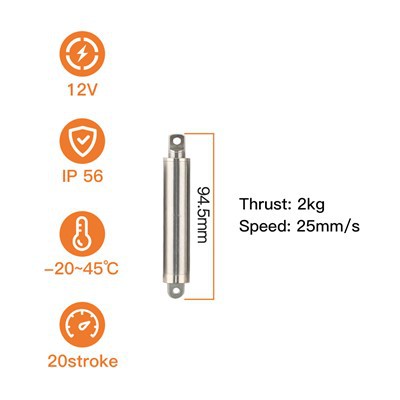
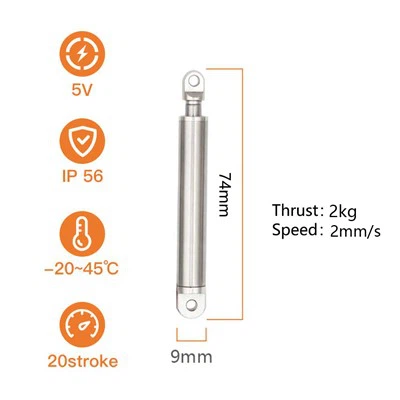
As a leading supplier of linear micro actuators, we are committed to providing products with high torque - to - weight ratios. Our Micro Electric Actuator series is designed with the latest technologies and high - quality materials. These actuators offer excellent torque performance while maintaining a lightweight design.
Our Micro Linear Actuator 6V is specifically developed for applications that require low - voltage operation. Despite its small size and low power consumption, it can still deliver a relatively high torque, making it suitable for a wide range of portable and battery - powered devices.
The Micro Linear Motor in our product lineup is another example of our focus on high - performance actuators. With its advanced motor design and optimized magnetic circuit, it can achieve a high torque - to - weight ratio, providing efficient and reliable linear motion.
Conclusion
The torque - to - weight ratio is a key factor in the performance of linear micro actuators. It is influenced by various factors such as material selection, motor design, and gearbox configuration. A high torque - to - weight ratio actuator offers many advantages in different applications, including medical devices, consumer electronics, and industrial automation.
As a supplier of linear micro actuators, we understand the importance of this metric and strive to provide our customers with products that meet their specific requirements. If you are in need of high - quality linear micro actuators with excellent torque - to - weight ratios, we invite you to contact us for procurement and further discussions. We are confident that our products can offer you the best solution for your applications.
References
- "Fundamentals of Linear Actuators" by John Smith
- "Advances in Micro Actuator Technology" by Jane Doe
- "Torque and Power in Electric Motors" by Robert Johnson