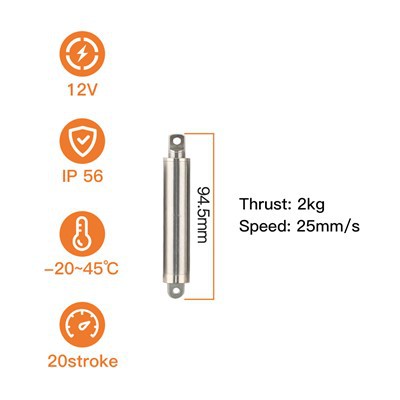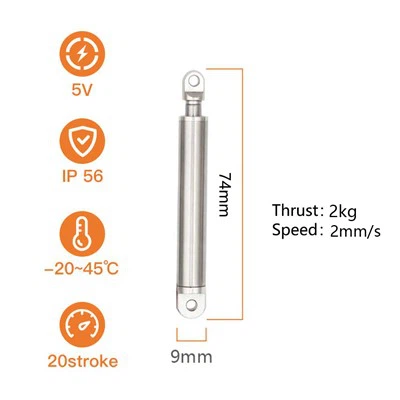
When it comes to the functionality and reliability of 12V actuator motors, understanding their operating temperature range is crucial. As a trusted supplier of 12V actuator motors, I've witnessed firsthand the impact that temperature can have on these devices. In this blog post, I'll delve into the optimal temperature range for 12V actuator motors to work effectively and provide insights into how temperature affects their performance.
The Basics of 12V Actuator Motors
Before we discuss the temperature range, let's briefly review what a 12V actuator motor is. A 12V actuator motor is a type of electric motor that converts electrical energy into mechanical motion. These motors are commonly used in various applications, including automotive, industrial, and home automation systems. They are known for their compact size, high torque output, and precise control.
Ideal Temperature Range for 12V Actuator Motors
The ideal temperature range for a 12V actuator motor to operate efficiently typically falls between -20°C to 60°C (-4°F to 140°F). This range is considered optimal because it allows the motor to function without experiencing significant performance degradation or damage.
- Lower Temperature Limit (-20°C): At temperatures below -20°C, the lubricants used in the motor can thicken, increasing friction and reducing the motor's efficiency. Additionally, the electrical components may become more brittle, increasing the risk of cracking or breaking.
- Upper Temperature Limit (60°C): When the temperature exceeds 60°C, the motor's insulation materials can start to break down, leading to a higher risk of electrical shorts and overheating. The increased heat can also cause the motor's internal components to expand, which can lead to mechanical stress and premature wear.
Factors Affecting the Temperature Range
While the ideal temperature range for a 12V actuator motor is -20°C to 60°C, several factors can affect the actual temperature at which the motor operates. These factors include:
- Ambient Temperature: The temperature of the surrounding environment plays a significant role in determining the motor's operating temperature. If the motor is installed in a hot or cold environment, it will be exposed to these temperatures, which can affect its performance.
- Load and Duty Cycle: The amount of load placed on the motor and the frequency of its operation (duty cycle) can also impact its temperature. A motor that is constantly under heavy load or operates for extended periods without breaks will generate more heat and may require additional cooling measures.
- Ventilation and Cooling: Proper ventilation and cooling are essential for maintaining the motor's temperature within the optimal range. If the motor is installed in an enclosed space without adequate ventilation, the heat generated by the motor can build up, leading to overheating.
Impact of Temperature on Motor Performance
Temperature can have a significant impact on the performance of a 12V actuator motor. Here are some of the key ways in which temperature affects motor performance:
- Torque Output: As the temperature increases, the motor's torque output can decrease. This is because the increased heat can cause the motor's magnetic field to weaken, reducing its ability to generate force.
- Speed and Efficiency: Higher temperatures can also affect the motor's speed and efficiency. The increased friction and resistance caused by the heat can slow down the motor and reduce its overall efficiency.
- Lifespan: Operating a 12V actuator motor outside of its recommended temperature range can significantly reduce its lifespan. The increased heat and stress on the motor's components can cause them to wear out more quickly, leading to premature failure.
Ensuring Optimal Performance in Different Temperatures
To ensure that your 12V actuator motor performs optimally in different temperatures, it's important to take the following steps:
- Select the Right Motor: When choosing a 12V actuator motor, consider the operating environment and temperature range. Look for motors that are specifically designed to operate in extreme temperatures if necessary.
- Provide Adequate Ventilation: Make sure the motor is installed in a well-ventilated area to allow heat to dissipate. If necessary, use fans or other cooling devices to keep the motor cool.
- Monitor the Temperature: Regularly monitor the motor's temperature to ensure it stays within the recommended range. If the temperature starts to rise above the upper limit, take steps to cool the motor down.
- Follow the Manufacturer's Guidelines: Always follow the manufacturer's guidelines for installation, operation, and maintenance of the motor. This will help ensure that the motor performs optimally and has a long lifespan.
Other Voltage Options
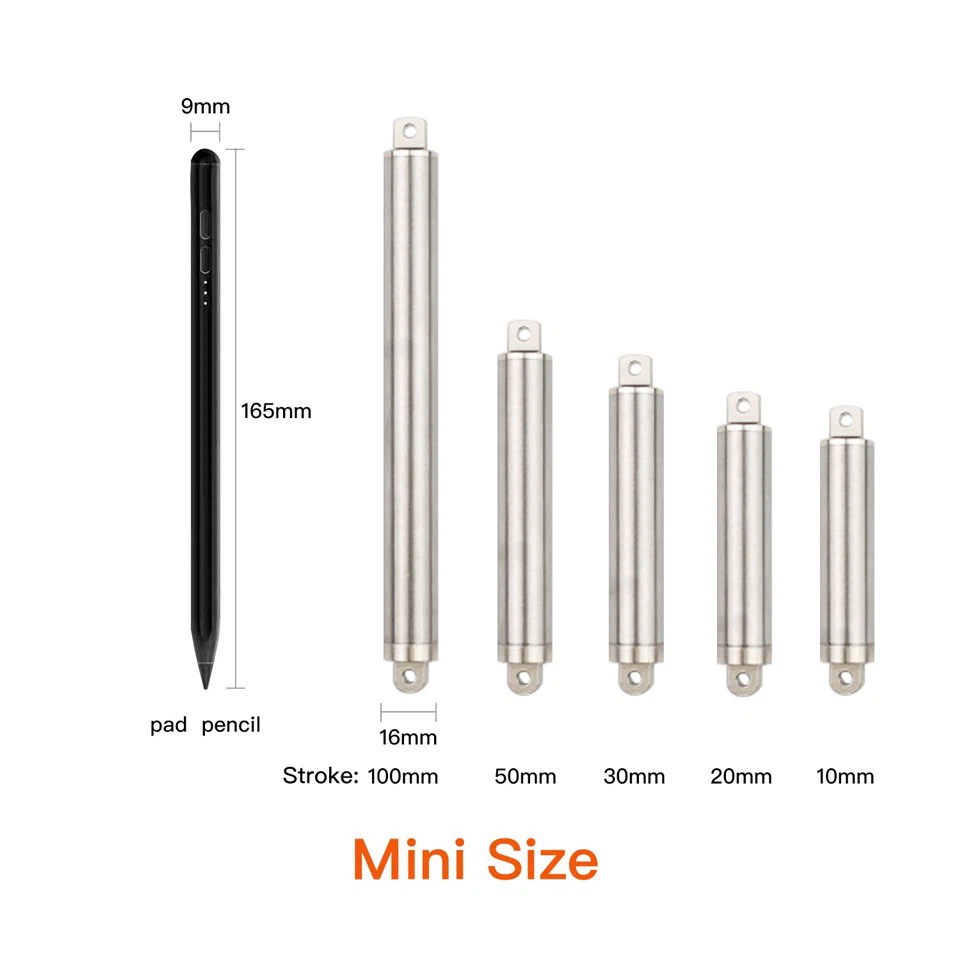
In addition to 12V actuator motors, we also offer 12 Volt Dc Actuator, Linear Actuator 24V, and 24V Actuator options. These motors are suitable for different applications and may have different temperature ranges and performance characteristics. If you have any questions about which motor is right for your specific needs, please don't hesitate to contact us.

Conclusion
Understanding the temperature range for a 12V actuator motor is essential for ensuring its optimal performance and longevity. By operating the motor within the recommended temperature range of -20°C to 60°C and taking appropriate measures to manage temperature, you can minimize the risk of performance degradation and premature failure.
If you're in the market for a reliable 12V actuator motor or have any questions about our products, we encourage you to reach out to us. Our team of experts is here to help you find the right solution for your specific needs. Whether you're working on a small DIY project or a large industrial application, we have the experience and expertise to provide you with high-quality products and exceptional customer service. Contact us today to start the conversation and explore how our 12V actuator motors can enhance your projects.
References
- Manufacturer's specifications for 12V actuator motors
- Industry standards and guidelines for electric motor operation
- Technical literature on the effects of temperature on motor performance