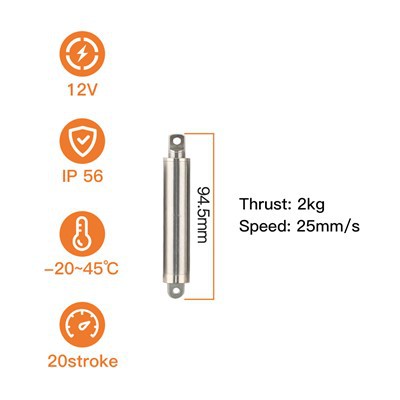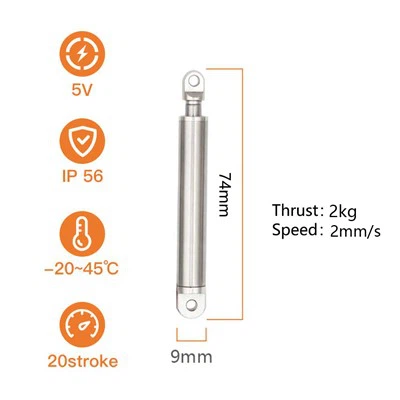
Hey there! As a supplier of Electric Lift Cylinders, I often get asked about the power sources that make these nifty devices tick. So, I thought I'd sit down and share everything you need to know about what powers an electric lift cylinder.
First off, let's understand what an electric lift cylinder is. It's a device that can convert electrical energy into linear motion. You'll find these in all sorts of applications, from industrial machinery to home automation systems. They're super handy for tasks like lifting heavy loads, adjusting the height of workbenches, or even controlling the movement of robotic arms.
Now, onto the main topic: the power sources. There are a few different types of power sources that can be used to operate an electric lift cylinder, and each has its own pros and cons.
AC Power
One of the most common power sources for electric lift cylinders is alternating current (AC) power. AC power is the type of electricity that comes out of your wall sockets at home or in the office. It's widely available and relatively easy to work with.
The advantage of using AC power is that it provides a consistent and reliable source of energy. You don't have to worry about running out of battery power or recharging. Plus, many industrial facilities are already equipped with AC power systems, so integrating an AC-powered electric lift cylinder is a breeze.
However, there are also some drawbacks. AC power requires a connection to a power grid, which means your electric lift cylinder will be limited to locations where there's access to electricity. If you need to use the lift cylinder in a remote area or a place without a power outlet, AC power might not be the best option.
DC Power
Direct current (DC) power is another popular choice for electric lift cylinders. DC power is commonly used in battery-powered devices, such as cars, boats, and mobile equipment.
The main advantage of DC power is its portability. You can use a DC-powered electric lift cylinder anywhere, as long as you have a charged battery. This makes it ideal for applications where mobility is important, like in mobile machinery or outdoor equipment.
DC power also offers better control over the speed and direction of the lift cylinder. You can easily adjust the voltage or current to change the speed of the cylinder's movement, which gives you more flexibility in your operations.
On the downside, DC power sources, such as batteries, have a limited capacity. You'll need to recharge the battery regularly, which can be time-consuming and inconvenient. Additionally, the performance of a DC-powered lift cylinder may degrade over time as the battery loses its charge.
Hydraulic Power
In some cases, electric lift cylinders can also be powered by hydraulic systems. Hydraulic power uses a fluid, usually oil, to transmit force and motion.
Hydraulic power offers several advantages. It can generate a high amount of force, making it suitable for heavy-duty applications. Hydraulic systems are also known for their smooth and precise operation, which is important for applications that require accurate positioning.
However, hydraulic power systems are more complex and expensive to install and maintain compared to electric power systems. They also require regular maintenance to ensure the proper functioning of the hydraulic fluid and components.
Choosing the Right Power Source
So, how do you choose the right power source for your electric lift cylinder? Well, it depends on your specific application and requirements.
If you need a lift cylinder for a fixed location with access to electricity, AC power is probably the best choice. It's reliable, easy to integrate, and provides a consistent source of energy.
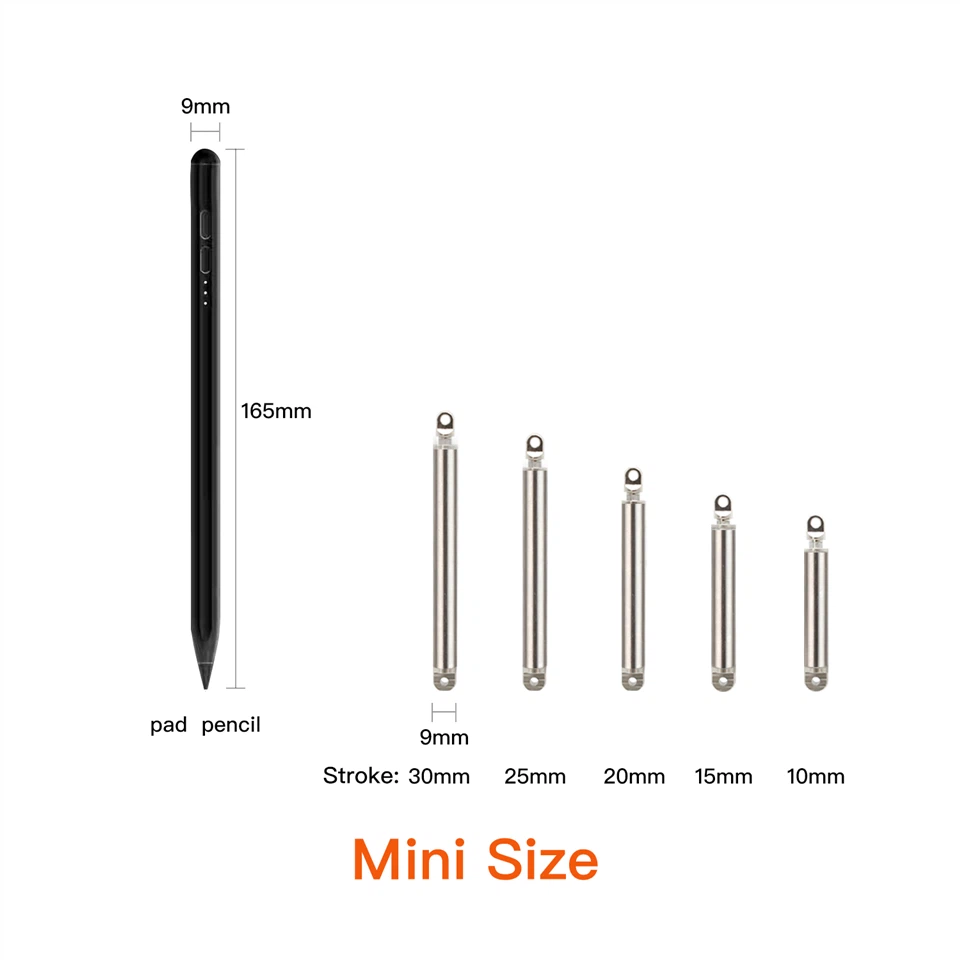
On the other hand, if you need a portable lift cylinder that can be used anywhere, DC power is the way to go. It offers the flexibility and mobility you need for on-the-go applications.
If you're dealing with heavy loads or require precise control, hydraulic power might be the answer. But keep in mind that it comes with higher costs and more maintenance requirements.
Our Product Range
At our company, we offer a wide range of electric lift cylinders to suit different power sources and applications. For example, our Ip56 Linear Actuator is designed to work with both AC and DC power, providing you with the flexibility you need. It's also protected against dust and water ingress, making it suitable for use in harsh environments.
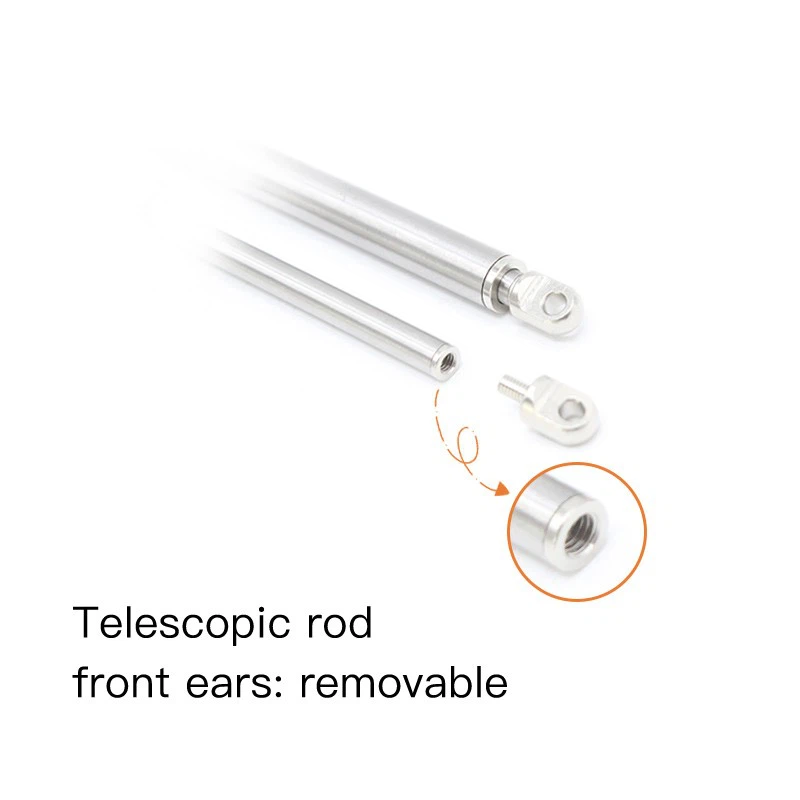
If you're looking for a more durable option, our Stainless Steel Linear Actuator is a great choice. It's made from high-quality stainless steel, which is resistant to corrosion and wear. This actuator can be powered by either AC or DC, depending on your needs.
We also offer a range of Linear Actuator Control options to help you manage the operation of your electric lift cylinder. These controllers allow you to adjust the speed, direction, and position of the cylinder with ease.
Contact Us for Procurement
If you're interested in purchasing an electric lift cylinder or have any questions about our products, don't hesitate to get in touch. We're here to help you find the right solution for your needs. Whether you're a small business owner or a large industrial corporation, we can provide you with the high-quality products and excellent customer service you deserve.
So, if you're ready to take your operations to the next level with an electric lift cylinder, contact us today and let's start the conversation. We look forward to working with you!
References
- "Electric Linear Actuators: A Comprehensive Guide" by Industry Experts
- "Power Sources for Industrial Equipment" by Engineering Publications
- Manufacturer's Specifications for Electric Lift Cylinders