Hey there! As a supplier of 12V DC linear actuators, I've seen a lot of people scratching their heads when it comes to wiring these nifty devices. Don't worry, though. I'm here to break it down for you in a super easy way.
First off, let's talk about what a 12V DC linear actuator is. It's a device that converts electrical energy into linear motion. You can find them in all sorts of applications, from robotics to home automation. They're pretty handy, but you need to wire them up correctly to get them working right.
What You'll Need
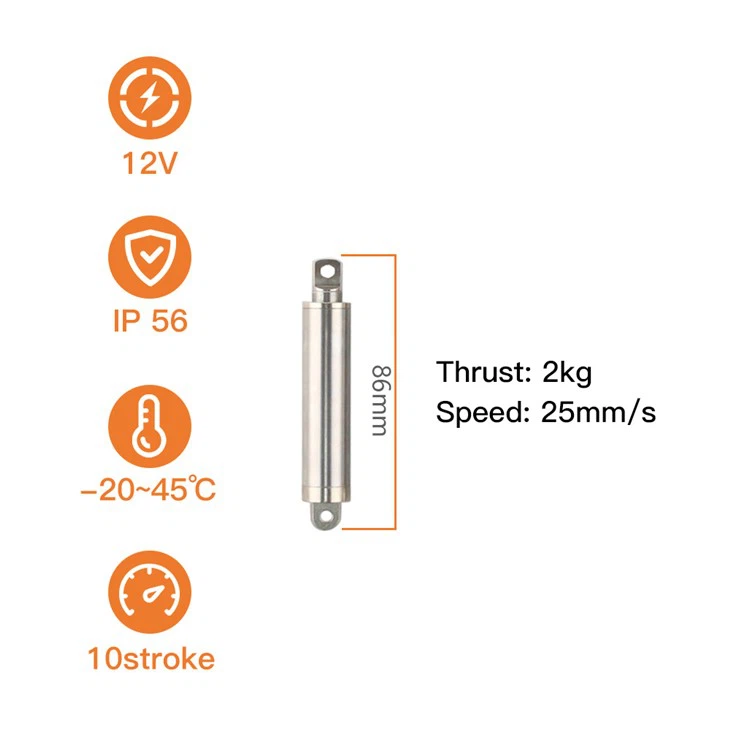
Before you start wiring, you'll need a few things. You'll obviously need your Linear Actuator 12V. Make sure it's the right one for your project. You'll also need a 12V DC power supply. This can be a battery or a power adapter, depending on your setup. A couple of wires are essential for making the connections. And if you want to control the actuator's movement, you'll need a control switch or a controller.
Safety First
Safety is always important when dealing with electricity. Before you start any wiring, make sure the power supply is turned off. This will prevent any accidental shocks or short - circuits. Also, wear appropriate safety gear like insulated gloves. And if you're not sure about something, it's always a good idea to consult an expert.
Understanding the Wires
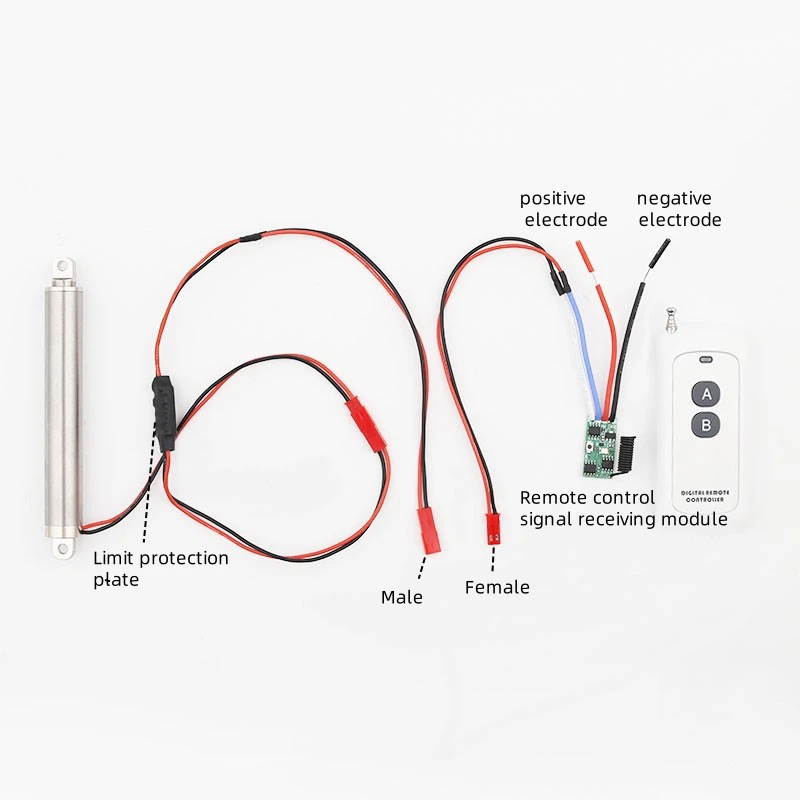
Most 12V DC linear actuators come with two wires. One is the positive wire, usually colored red, and the other is the negative wire, often colored black. The positive wire is connected to the positive terminal of the power supply, and the negative wire is connected to the negative terminal.
Connecting to the Power Supply
Let's start with connecting the actuator to the power supply. Take your red wire from the actuator and connect it to the positive terminal of the 12V DC power supply. You can use wire connectors or solder the connection if you're confident with soldering. Just make sure the connection is secure. Then, take the black wire from the actuator and connect it to the negative terminal of the power supply. Once you've made these connections, double - check them to make sure there are no loose ends.
Adding a Control Switch
If you want to control when the actuator moves, you can add a control switch. There are different types of switches you can use, like a simple on - off switch or a more complex momentary switch. To add a switch, you'll need to break the circuit. For example, you can cut the red wire from the actuator and connect each end of the cut wire to the two terminals of the switch. When you turn the switch on, the circuit is completed, and the actuator will move. When you turn it off, the circuit is broken, and the actuator stops.
Using a Controller
For more precise control, you might want to use a controller. A controller can allow you to control the speed and direction of the actuator. There are many types of controllers available on the market. When using a controller, you'll need to follow the manufacturer's instructions. Usually, you'll connect the actuator wires to the appropriate terminals on the controller, and then connect the controller to the power supply.
Troubleshooting
Sometimes, things don't go as planned. If your actuator doesn't move after wiring, there could be a few issues. First, check the power supply. Make sure it's providing 12V DC. You can use a multimeter to measure the voltage. If the power supply is okay, check the connections. Loose or incorrect connections are a common cause of problems. Also, make sure the actuator isn't jammed. Sometimes, debris or mechanical issues can prevent it from moving.
Other Considerations
If you're working on a project that requires a higher voltage, you might be interested in a 24V Actuator. However, the wiring process is a bit different, and you need to make sure your power supply and other components can handle the higher voltage.
Also, if you're looking for an alternative to a traditional linear actuator, a Linear Motor 12V could be a good option. It works on a different principle but can still provide linear motion.
Conclusion
Wiring a 12V DC linear actuator isn't as complicated as it might seem. With the right tools, a bit of knowledge, and some patience, you can get it up and running in no time. Whether you're a DIY enthusiast or a professional, these actuators can add a lot of functionality to your projects.
If you're interested in purchasing 12V DC linear actuators or have any questions about wiring or using them, feel free to reach out. We're here to help you with all your actuator needs. Whether you need a single actuator for a small project or a bulk order for a large - scale application, we've got you covered. Let's start a conversation about your requirements and see how we can work together to make your project a success.
References
- General knowledge from years of experience as a 12V DC linear actuator supplier.
- Manufacturer's manuals for 12V DC linear actuators, 12V DC power supplies, switches, and controllers.