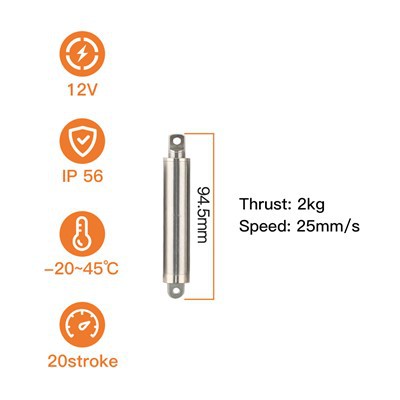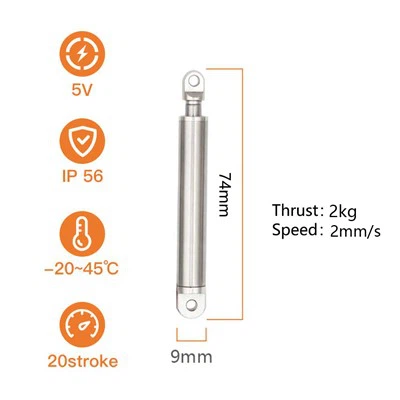
Fast linear actuators are essential components in various industrial and automation applications, providing rapid and precise linear motion. However, one common issue that users often encounter is excessive vibration, which can lead to reduced accuracy, increased wear and tear, and even potential damage to the actuator and surrounding equipment. As a leading supplier of Fast Actuators Linear, we understand the challenges posed by actuator vibration and are committed to helping our customers find effective solutions. In this blog post, we will explore some practical strategies to reduce the vibration of a fast linear actuator.
Understanding the Causes of Vibration
Before we delve into the solutions, it is crucial to understand the root causes of vibration in fast linear actuators. Several factors can contribute to this issue, including:
- Mechanical Imbalance: Any uneven distribution of mass within the actuator can cause it to vibrate during operation. This could be due to manufacturing defects, wear and tear, or improper installation.
- Resonance: When the operating frequency of the actuator matches the natural frequency of the system, resonance occurs, leading to amplified vibrations. Resonance can be particularly problematic as it can cause significant damage to the actuator and other components.
- Backlash: Backlash refers to the clearance between the moving parts of the actuator, such as the screw and nut. Excessive backlash can result in jerky motion and increased vibration.
- Inadequate Lubrication: Insufficient lubrication can increase friction between the moving parts, leading to increased wear and vibration.
Strategies to Reduce Vibration
1. Proper Installation
- Alignment: Ensure that the actuator is properly aligned with the load and the mounting surface. Misalignment can cause uneven forces on the actuator, leading to vibration. Use alignment tools and follow the manufacturer's installation instructions carefully.
- Mounting: Secure the actuator firmly to the mounting surface using the appropriate fasteners. Loose mounting can allow the actuator to move and vibrate during operation. Consider using vibration-damping mounts or pads to reduce the transmission of vibrations to the surrounding structure.
2. Balancing
- Dynamic Balancing: For high-speed applications, dynamic balancing of the actuator components can significantly reduce vibration. This involves adjusting the mass distribution of the moving parts to minimize imbalance. Our Fast Actuators Linear are precision-engineered and undergo rigorous balancing procedures to ensure smooth and vibration-free operation.
- Load Balancing: Ensure that the load on the actuator is evenly distributed. Uneven loading can cause the actuator to vibrate as it tries to compensate for the imbalance. If necessary, use additional support or counterweights to balance the load.
3. Resonance Avoidance
- Frequency Analysis: Conduct a frequency analysis of the system to identify the natural frequencies of the actuator and the surrounding components. Avoid operating the actuator at frequencies close to the natural frequencies to prevent resonance. Our technical support team can assist you in performing a frequency analysis and recommending appropriate operating parameters.
- Damping: Introduce damping elements into the system to absorb and dissipate the energy of the vibrations. Damping can be achieved through the use of shock absorbers, dampers, or vibration isolation materials. These elements can help reduce the amplitude of the vibrations and prevent resonance.
4. Backlash Reduction
- Preloading: Apply a preload to the actuator to eliminate or reduce backlash. Preloading can be achieved through the use of springs, washers, or other mechanical devices. By reducing backlash, the actuator can provide smoother and more precise motion, resulting in reduced vibration.
- Anti-Backlash Nuts: Consider using anti-backlash nuts or screws in the actuator. These components are designed to minimize backlash and provide a more rigid connection between the moving parts, reducing vibration.
5. Lubrication
- Proper Lubrication: Ensure that the actuator is properly lubricated according to the manufacturer's recommendations. Use high-quality lubricants that are suitable for the operating conditions of the actuator. Regularly check and replenish the lubricant to prevent dry running and excessive friction.
- Lubrication System: Some actuators are equipped with automatic lubrication systems that can provide continuous lubrication to the moving parts. These systems can help ensure consistent lubrication and reduce the risk of vibration caused by inadequate lubrication.
6. Control System Optimization
- PID Tuning: If the actuator is controlled by a PID (Proportional-Integral-Derivative) controller, optimize the PID parameters to improve the control performance and reduce vibration. Proper PID tuning can help the actuator respond more smoothly to changes in the load and operating conditions, resulting in reduced vibration.
- Smoothing Algorithms: Implement smoothing algorithms in the control system to filter out high-frequency noise and vibrations. These algorithms can help improve the overall stability and performance of the actuator.
Choosing the Right Actuator
- Actuator Type: Different types of actuators have different vibration characteristics. For example, ball screw actuators generally provide smoother and more precise motion compared to lead screw actuators, resulting in lower vibration. Consider the specific requirements of your application and choose the actuator type that is best suited for your needs.
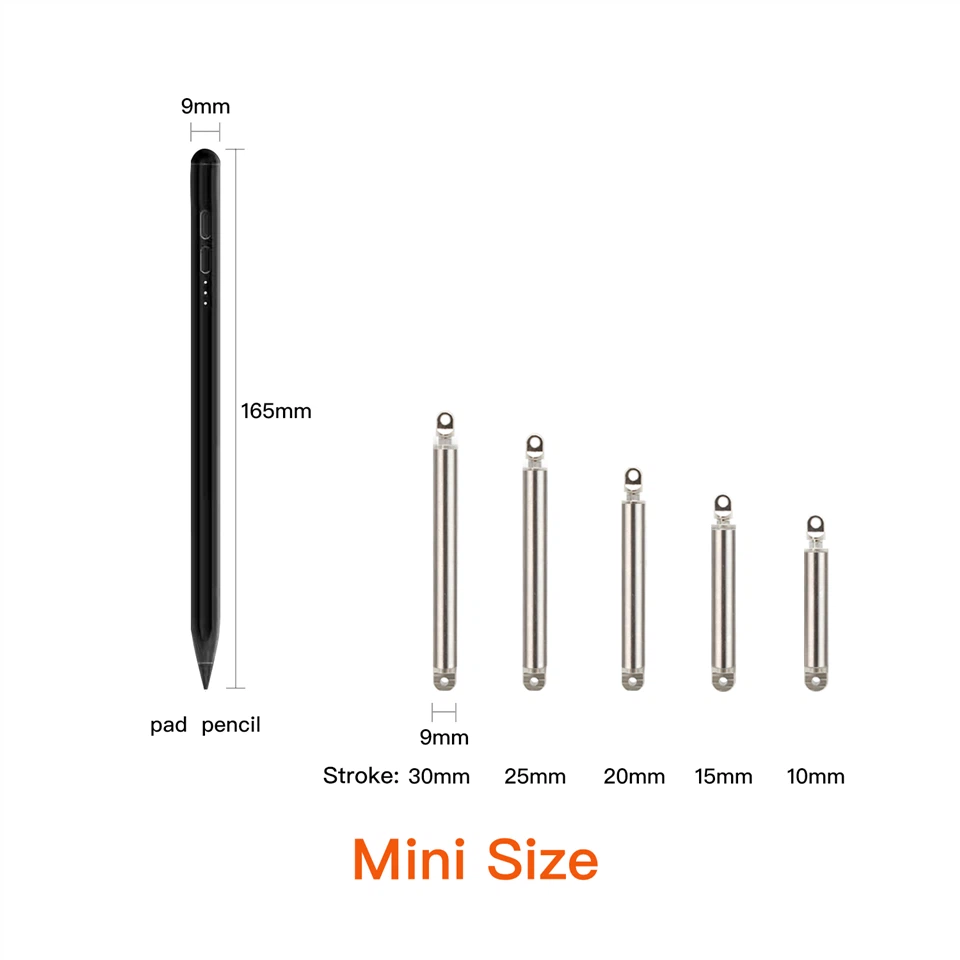
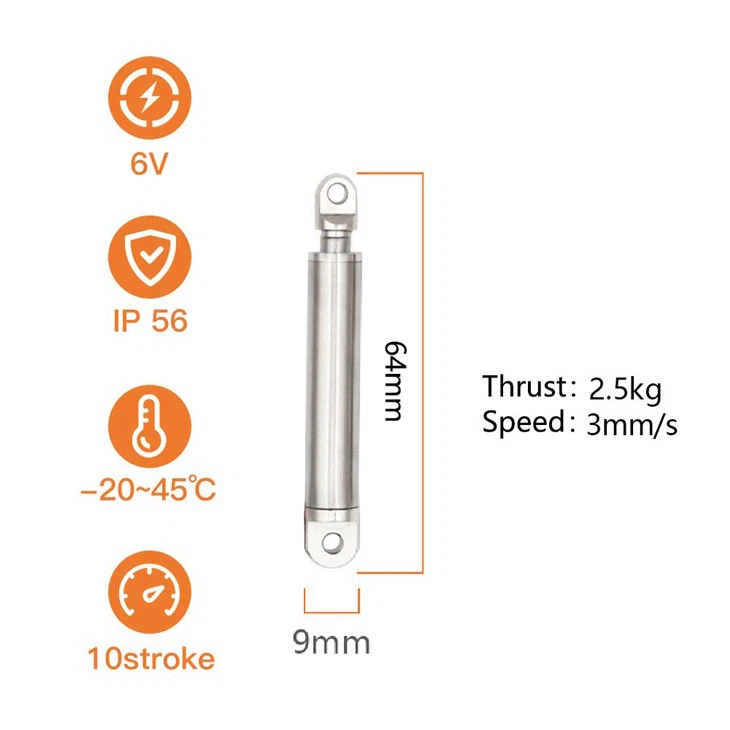
- Actuator Size and Capacity: Ensure that the actuator has sufficient size and capacity to handle the load and operating conditions of your application. An undersized actuator may be overloaded, leading to increased vibration and premature failure. Our product range includes a variety of Fast Actuators Linear with different sizes and capacities to meet the diverse needs of our customers.
Conclusion
Reducing the vibration of a fast linear actuator is essential for ensuring its reliable and efficient operation. By understanding the causes of vibration and implementing the strategies outlined in this blog post, you can significantly reduce the vibration levels of your actuator and improve the performance of your system. As a trusted supplier of Fast Actuators Linear, we are committed to providing our customers with high-quality products and technical support to help them solve their vibration problems. If you have any questions or need further assistance, please do not hesitate to contact us. We look forward to working with you to find the best solution for your application.
References
- "Linear Actuators: Design, Selection, and Application" by Peter Nachtwey
- "Vibration Analysis for Engineers" by William T. Thomson
- Manufacturer's technical documentation for fast linear actuators