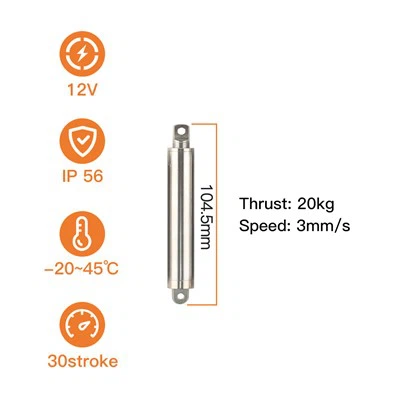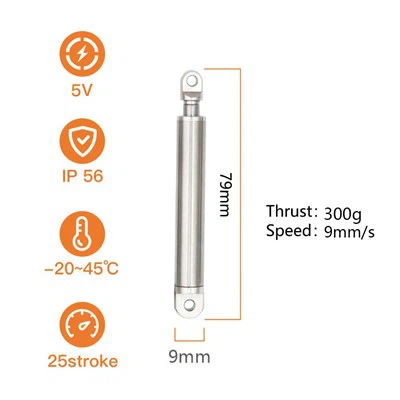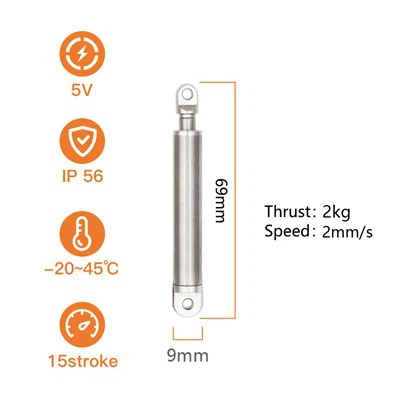
As a trusted supplier of electric actuators, I understand the paramount importance of safety when it comes to using these powerful devices. Electric actuators are widely used in various industries, from manufacturing and automation to automotive and aerospace, due to their precision, reliability, and efficiency. However, like any electrical equipment, they can pose risks if not used properly. In this blog post, I will share some essential tips on how to ensure the safety of using an electric actuator.
1. Read and Follow the Manufacturer's Instructions
The first and most crucial step in ensuring the safety of using an electric actuator is to carefully read and follow the manufacturer's instructions. These instructions provide detailed information on the installation, operation, maintenance, and troubleshooting of the actuator. They also include important safety warnings and precautions that you must adhere to.
Before installing the actuator, make sure you have a clear understanding of its specifications, including its voltage, current, power, and torque ratings. Incorrect installation or operation can lead to electrical shock, fire, or mechanical failure. If you have any questions or concerns, do not hesitate to contact the manufacturer's technical support team for assistance.
2. Perform a Risk Assessment
Before using an electric actuator, it is essential to perform a risk assessment to identify potential hazards and take appropriate measures to mitigate them. A risk assessment should consider factors such as the operating environment, the type of actuator, the load it will be handling, and the potential for human error.
Some common hazards associated with electric actuators include electrical shock, fire, mechanical injury, and noise. To reduce the risk of electrical shock, make sure the actuator is properly grounded and that all electrical connections are secure. To prevent fire, avoid overloading the actuator and ensure that it is installed in a well-ventilated area. To minimize the risk of mechanical injury, use appropriate personal protective equipment (PPE) such as gloves, safety glasses, and earplugs.
3. Install the Actuator Correctly
Proper installation is crucial for the safe and reliable operation of an electric actuator. Make sure the actuator is installed in a clean, dry, and well-ventilated area away from sources of heat, moisture, and vibration. Follow the manufacturer's instructions carefully when mounting the actuator and connecting it to the power supply and control system.
When installing the actuator, make sure all electrical connections are secure and that the wiring is properly insulated. Use the correct size and type of wires and connectors, and avoid over-tightening or under-tightening the screws and bolts. Improper installation can lead to electrical shorts, mechanical failures, and other safety hazards.
4. Use the Actuator within Its Rated Capacity
Every electric actuator has a rated capacity, which is the maximum load it can safely handle. Using the actuator beyond its rated capacity can cause it to overheat, malfunction, or even fail, which can pose a serious safety risk.
Before using the actuator, make sure you know its rated capacity and that you do not exceed it. If you need to handle a load that is larger than the actuator's rated capacity, consider using a larger actuator or multiple actuators in parallel.
5. Maintain the Actuator Regularly
Regular maintenance is essential for the safe and reliable operation of an electric actuator. Follow the manufacturer's recommended maintenance schedule, which typically includes tasks such as cleaning, lubricating, inspecting, and testing the actuator.
During maintenance, check the actuator for signs of wear, damage, or corrosion. Replace any worn or damaged parts immediately, and make sure all connections are tight and secure. Regular maintenance can help prevent breakdowns, extend the lifespan of the actuator, and ensure its safe operation.
6. Train Your Employees
If you are using electric actuators in your workplace, it is essential to train your employees on how to use them safely. Provide comprehensive training on the installation, operation, maintenance, and troubleshooting of the actuators, and make sure your employees understand the potential hazards and how to avoid them.
In addition to technical training, also provide your employees with safety training on the proper use of personal protective equipment (PPE), the importance of following safety procedures, and the emergency response procedures in case of an accident.


7. Use Safety Devices
To further enhance the safety of using an electric actuator, consider using safety devices such as limit switches, overload protection devices, and emergency stop buttons. These devices can help prevent accidents by automatically shutting off the actuator in case of an overload, a malfunction, or an emergency.
Limit switches can be used to limit the travel of the actuator and prevent it from overextending or retracting. Overload protection devices can be used to protect the actuator from damage caused by excessive loads. Emergency stop buttons can be used to quickly shut off the actuator in case of an emergency.
8. Keep the Work Area Clean and Organized
A clean and organized work area is essential for the safe and efficient operation of an electric actuator. Keep the work area free of clutter, debris, and other hazards, and make sure all tools and equipment are properly stored when not in use.
In addition to keeping the work area clean, also make sure it is well-lit and that there is adequate ventilation. Poor lighting and ventilation can increase the risk of accidents and make it more difficult to perform maintenance and troubleshooting tasks.
Conclusion
Ensuring the safety of using an electric actuator is essential for protecting your employees, your equipment, and your business. By following the tips outlined in this blog post, you can minimize the risk of accidents and ensure the safe and reliable operation of your electric actuators.
If you are looking for high-quality electric actuators that are safe, reliable, and efficient, look no further than our Fast Electric Actuator, Long Stroke Electric Linear Actuator, and Electric Linear Actuator. Our actuators are designed and manufactured to the highest standards of quality and safety, and we offer a wide range of models and configurations to meet your specific needs.
If you have any questions or would like to discuss your electric actuator requirements, please do not hesitate to contact us. We look forward to working with you to provide you with the best possible solutions for your business.
References
- Manufacturer's instructions for electric actuators
- Occupational Safety and Health Administration (OSHA) guidelines for electrical safety
- National Fire Protection Association (NFPA) standards for electrical equipment
- International Electrotechnical Commission (IEC) standards for electric actuators