

In the constantly evolving landscape of agricultural technology, the search for innovative and efficient components is never-ending. One question that has sparked significant interest is whether a tiny linear actuator can find a practical use in agricultural machinery. As a leading supplier of tiny linear actuators, I am delighted to explore this topic in depth and shed light on the potential applications and benefits these compact yet powerful devices can offer to the agricultural sector.
Understanding Tiny Linear Actuators
Before delving into their potential in agricultural machinery, it's essential to understand what tiny linear actuators are. These are devices that convert rotational motion into linear motion, allowing for precise movement in a straight line. They are characterized by their small size, which makes them ideal for applications where space is limited. Despite their diminutive stature, tiny linear actuators can generate substantial force and offer high levels of accuracy and repeatability.

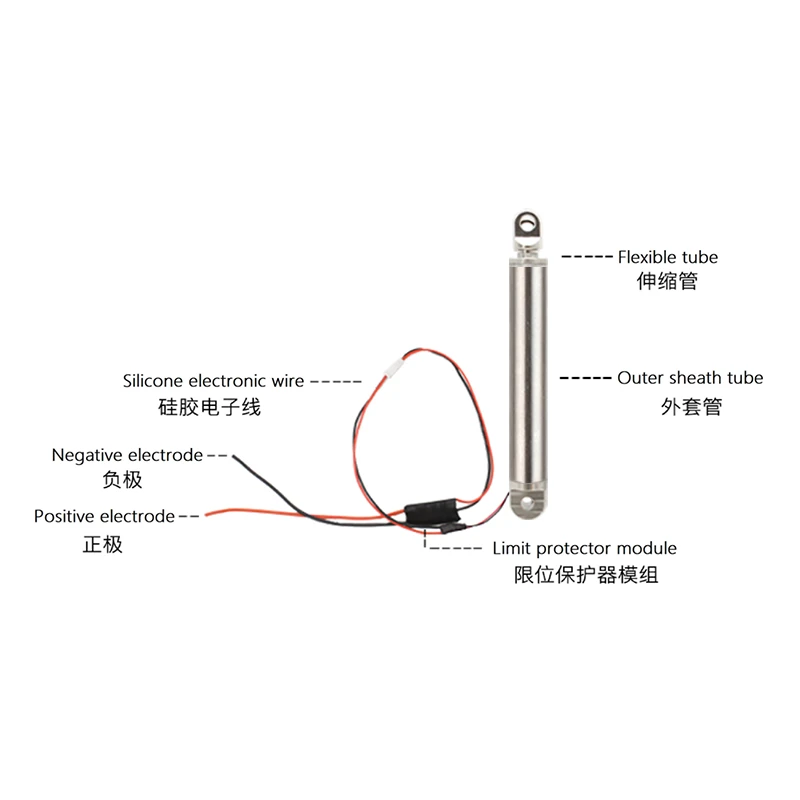
There are several types of tiny linear actuators available, each with its own unique features and advantages. For instance, Dc Linear Actuator is popular for its simplicity and ease of use. It operates on direct current, providing a straightforward power source that is often readily available in agricultural settings. On the other hand, Linear Motor Actuator offers high-speed and high-precision movement, which can be crucial in certain agricultural operations. Additionally, the 6 Volt Linear Actuator with Remoteactuators provides the convenience of remote control, allowing operators to adjust the actuator's position from a distance.
Potential Applications in Agricultural Machinery
Precision Seeding and Planting
One of the most promising applications of tiny linear actuators in agriculture is in precision seeding and planting equipment. In modern farming, the ability to plant seeds at precise depths and intervals is crucial for maximizing crop yields. Tiny linear actuators can be used to control the movement of seed metering devices, ensuring that each seed is dropped at the exact location and depth required. This level of precision not only improves the efficiency of the planting process but also reduces seed waste and promotes more uniform crop growth.
For example, in a seed drill, a tiny linear actuator can be used to adjust the height of the seed tube. By precisely controlling the distance between the seed tube and the soil surface, farmers can ensure that seeds are planted at the optimal depth for germination. This is particularly important for different types of crops, as each species has specific requirements for seed depth.
Automated Irrigation Systems
Another area where tiny linear actuators can make a significant impact is in automated irrigation systems. These systems are designed to deliver water to crops in a controlled and efficient manner. Tiny linear actuators can be used to operate valves and sprinklers, allowing for precise control of water flow and distribution.
In a drip irrigation system, for instance, a tiny linear actuator can be used to open and close the valves that regulate the flow of water to individual plants. By adjusting the position of the actuator, farmers can control the amount of water each plant receives, based on factors such as soil moisture levels, plant type, and weather conditions. This not only conserves water but also ensures that crops receive the right amount of hydration for healthy growth.
Harvesting Equipment
Tiny linear actuators can also play a crucial role in harvesting equipment. In modern combine harvesters, for example, these actuators can be used to adjust the position of the cutting blades, headers, and other components. By providing precise control over the movement of these parts, farmers can optimize the harvesting process, ensuring that crops are cut at the right height and with minimal damage.
In a fruit-picking robot, tiny linear actuators can be used to control the movement of the robotic arms and grippers. This allows the robot to accurately pick fruits without causing damage, increasing the efficiency of the harvesting process and reducing labor costs.
Advantages of Using Tiny Linear Actuators in Agricultural Machinery
Space Efficiency
One of the primary advantages of tiny linear actuators is their small size. In agricultural machinery, where space is often limited, these compact devices can be easily integrated into existing equipment without taking up too much room. This allows for more efficient use of space and can help to reduce the overall size and weight of the machinery.
Energy Efficiency
Tiny linear actuators are also known for their energy efficiency. Compared to traditional hydraulic or pneumatic systems, electric linear actuators consume less power and generate less heat. This not only reduces energy costs but also helps to minimize the environmental impact of agricultural operations.
High Precision and Repeatability
As mentioned earlier, tiny linear actuators offer high levels of precision and repeatability. This is crucial in agricultural applications, where even small variations in movement can have a significant impact on crop yields. By providing accurate and consistent control over the movement of machinery components, these actuators can help to improve the quality and efficiency of agricultural operations.
Durability and Reliability
Agricultural machinery is often subjected to harsh operating conditions, including dust, dirt, moisture, and extreme temperatures. Tiny linear actuators are designed to withstand these conditions, offering long-term durability and reliability. This reduces the need for frequent maintenance and repairs, minimizing downtime and increasing the overall productivity of the machinery.
Challenges and Considerations
While tiny linear actuators offer numerous advantages for agricultural machinery, there are also some challenges and considerations that need to be addressed. One of the main challenges is the cost. Compared to traditional mechanical components, linear actuators can be more expensive. However, it's important to consider the long-term benefits and savings that these devices can offer, such as increased efficiency, reduced labor costs, and improved crop yields.
Another consideration is the need for proper installation and maintenance. To ensure optimal performance and longevity, tiny linear actuators need to be installed correctly and maintained regularly. This may require specialized knowledge and skills, so it's important to work with experienced technicians or suppliers who can provide support and guidance.
Conclusion
In conclusion, the answer to the question "Can a tiny linear actuator be used in agricultural machinery?" is a resounding yes. These compact and powerful devices offer a wide range of potential applications in the agricultural sector, from precision seeding and planting to automated irrigation and harvesting. With their space efficiency, energy efficiency, high precision, and durability, tiny linear actuators can help to improve the performance and productivity of agricultural machinery, while also reducing costs and environmental impact.
If you are an agricultural equipment manufacturer or farmer looking to enhance the efficiency and precision of your machinery, I encourage you to explore the possibilities of using tiny linear actuators. As a supplier of high-quality linear actuators, we are committed to providing you with the best products and solutions to meet your specific needs. Contact us today to start a discussion about your requirements and how our tiny linear actuators can benefit your agricultural operations.
References
- "Principles of Agricultural Machinery" by Joseph E. Clements
- "Advances in Agricultural Engineering and Technology" edited by John D. Smith
- "Agricultural Automation and Robotics" by Michael R. Lindemann






