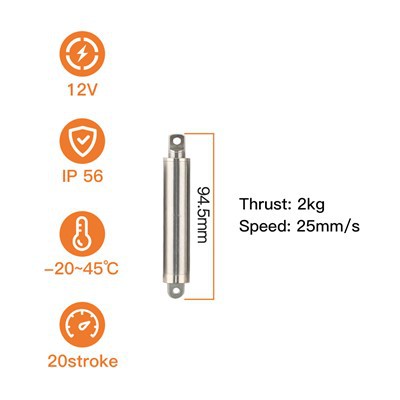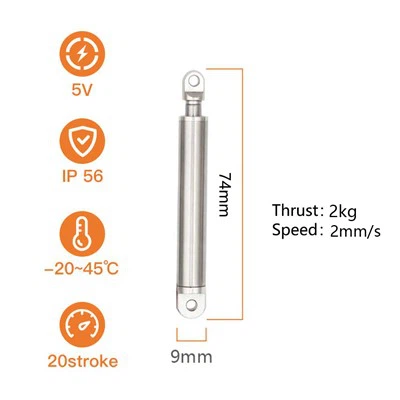
As a supplier of Micro Linear Motors, I often encounter inquiries about the temperature range of these sophisticated devices. Understanding the temperature range is crucial for ensuring optimal performance, reliability, and longevity of Micro Linear Motors in various applications. In this blog post, I will delve into the factors that influence the temperature range of Micro Linear Motors, typical temperature specifications, and the implications of operating outside the recommended range.
Factors Influencing the Temperature Range
Several factors contribute to the temperature range within which a Micro Linear Motor can operate effectively. These factors include the motor's design, materials used, operating conditions, and cooling mechanisms.
Motor Design
The design of a Micro Linear Motor plays a significant role in determining its temperature range. Motors with efficient magnetic circuits and low electrical resistance generate less heat during operation, allowing them to operate at higher temperatures without compromising performance. Additionally, the physical layout of the motor, including the arrangement of windings and the use of heat sinks, can affect heat dissipation and overall temperature management.
Materials Used
The materials used in the construction of a Micro Linear Motor also impact its temperature range. High-quality magnetic materials, such as neodymium iron boron (NdFeB) magnets, offer excellent magnetic properties and can withstand higher temperatures without losing their magnetization. Similarly, the insulation materials used in the motor windings must be able to withstand the operating temperatures without breaking down or causing electrical shorts.
Operating Conditions
The operating conditions of a Micro Linear Motor, including the load, speed, and duty cycle, can significantly affect its temperature. Motors operating under heavy loads or at high speeds generate more heat than those operating under lighter loads or at lower speeds. Additionally, continuous operation for extended periods can cause the motor temperature to rise, especially if the cooling mechanisms are insufficient.
Cooling Mechanisms
Effective cooling mechanisms are essential for maintaining the temperature of a Micro Linear Motor within the recommended range. Some Micro Linear Motors are equipped with built-in cooling fans or heat sinks to dissipate heat generated during operation. Others rely on external cooling systems, such as liquid cooling or forced air ventilation, to keep the motor temperature under control.
Typical Temperature Specifications
The temperature range of a Micro Linear Motor can vary depending on the specific model and manufacturer. However, most Micro Linear Motors are designed to operate within a temperature range of -20°C to 80°C. Some high-performance motors may be able to operate at even higher temperatures, up to 120°C or more, while others may have a lower temperature range, down to -40°C.
It is important to note that the temperature range specified by the manufacturer is typically the maximum operating temperature under normal conditions. In some cases, the motor may be able to operate at higher temperatures for short periods without causing damage, but continuous operation outside the recommended temperature range can significantly reduce the motor's lifespan and performance.
Implications of Operating Outside the Recommended Temperature Range
Operating a Micro Linear Motor outside the recommended temperature range can have several negative consequences, including reduced performance, increased wear and tear, and premature failure.
Reduced Performance
High temperatures can cause the magnetic properties of the motor's magnets to degrade, resulting in a decrease in motor torque and efficiency. Additionally, the electrical resistance of the motor windings increases with temperature, which can lead to increased power consumption and reduced speed.
Increased Wear and Tear
Operating a Micro Linear Motor at high temperatures can accelerate the wear and tear of the motor's components, including the bearings, brushes, and windings. This can lead to increased maintenance requirements and a shorter lifespan for the motor.
Premature Failure
Continuous operation outside the recommended temperature range can cause irreversible damage to the motor's components, leading to premature failure. In extreme cases, overheating can cause the motor to catch fire or explode, posing a serious safety hazard.
Tips for Maintaining Optimal Temperature
To ensure the optimal performance and longevity of a Micro Linear Motor, it is important to maintain the motor's temperature within the recommended range. Here are some tips for keeping your Micro Linear Motor cool:
Choose the Right Motor
When selecting a Micro Linear Motor, it is important to choose a model that is suitable for your application's temperature requirements. Consider the operating environment, load, speed, and duty cycle when choosing a motor, and select a model with a temperature range that is appropriate for your needs.
Provide Adequate Cooling
Ensure that your Micro Linear Motor is equipped with adequate cooling mechanisms, such as built-in fans or heat sinks. If necessary, consider using external cooling systems, such as liquid cooling or forced air ventilation, to keep the motor temperature under control.
Monitor the Temperature
Regularly monitor the temperature of your Micro Linear Motor using a temperature sensor or infrared thermometer. If the motor temperature exceeds the recommended range, take immediate action to reduce the temperature, such as reducing the load or increasing the cooling.
Follow the Manufacturer's Recommendations
Always follow the manufacturer's recommendations for operating and maintaining your Micro Linear Motor. This includes proper installation, lubrication, and maintenance procedures, as well as avoiding overloading the motor or operating it outside the recommended temperature range.

Conclusion
In conclusion, the temperature range of a Micro Linear Motor is an important factor to consider when selecting and operating these devices. Understanding the factors that influence the temperature range, typical temperature specifications, and the implications of operating outside the recommended range can help you ensure the optimal performance, reliability, and longevity of your Micro Linear Motor.
As a supplier of Micro Linear Motors, we are committed to providing our customers with high-quality products that meet their specific needs. Our Micro Linear Motors are designed to operate within a wide temperature range, and we offer a variety of cooling options to ensure optimal performance in even the most demanding applications.
If you have any questions about the temperature range of our Micro Linear Motors or would like to discuss your specific application requirements, please do not hesitate to contact us. Our team of experts is always available to help you choose the right motor for your needs and provide you with the support and guidance you need to ensure its successful operation.
References
- "Micro Linear Motors: Design, Applications, and Performance." IEEE Transactions on Industrial Electronics, vol. 62, no. 10, 2015, pp. 6473-6482.
- "Effects of Temperature on the Performance of Micro Linear Motors." Journal of Electrical Engineering and Technology, vol. 12, no. 3, 2017, pp. 1029-1036.
- "Thermal Management of Micro Linear Motors." Proceedings of the 2018 International Conference on Power Electronics and Drive Systems, pp. 1-6.