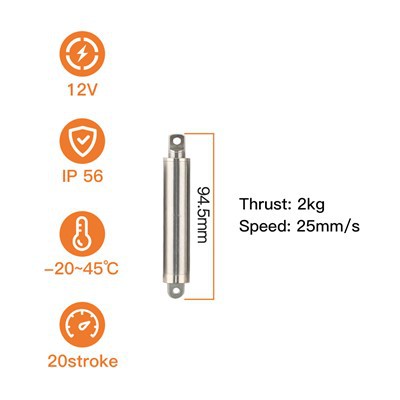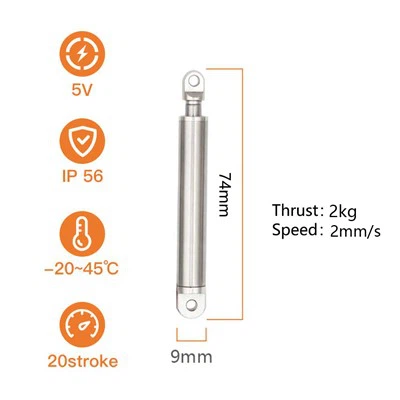
Safety is a paramount concern in the world of industrial equipment, and electric actuators are no exception. As a leading supplier of electric actuators, we understand the critical role that safety plays in the performance and reliability of these devices. In this blog post, we will explore the various aspects of electric actuator safety, including design features, installation considerations, and maintenance practices.
Design Features for Safety
One of the primary ways to ensure the safety of an electric actuator is through its design. Modern electric actuators are equipped with a range of safety features that are designed to protect both the equipment and the operators. These features include:
Overload Protection
Overload protection is a crucial safety feature that prevents the actuator from being damaged due to excessive force or torque. Most electric actuators are equipped with built - in overload sensors that can detect when the actuator is being overloaded. When an overload is detected, the actuator will automatically shut down to prevent damage to the motor, gears, or other components. This not only protects the actuator but also reduces the risk of accidents caused by malfunctioning equipment.
Thermal Protection
Electric actuators generate heat during operation, and excessive heat can damage the motor and other components. Thermal protection is designed to monitor the temperature of the actuator and shut it down if the temperature exceeds a safe limit. This helps to prevent overheating, which can lead to component failure and potentially cause a fire hazard. Many electric actuators use thermal sensors to continuously monitor the temperature and adjust the operation accordingly.
Limit Switches
Limit switches are another important safety feature in electric actuators. These switches are used to define the maximum and minimum positions of the actuator's movement. When the actuator reaches these limits, the limit switches send a signal to the control system to stop the movement. This prevents the actuator from over - traveling, which can cause damage to the actuator, the connected equipment, or pose a safety risk to the operators. For example, in a valve actuator, limit switches ensure that the valve is fully open or fully closed without causing any mechanical damage.


Emergency Stop Function
An emergency stop function is a standard safety feature in most industrial equipment, including electric actuators. This function allows operators to quickly stop the actuator's operation in case of an emergency. The emergency stop button is usually located in a prominent and easily accessible position, and when pressed, it immediately cuts off the power supply to the actuator. This can prevent serious accidents, such as collisions or entrapment, in situations where the actuator's normal operation needs to be halted immediately.
Installation Considerations for Safety
Proper installation is essential for ensuring the safety of electric actuators. Incorrect installation can lead to a variety of safety issues, including malfunction, reduced performance, and increased risk of accidents. Here are some important installation considerations:
Mounting
The actuator should be mounted securely on a stable surface. The mounting surface must be able to support the weight and the forces exerted by the actuator during operation. If the actuator is not mounted properly, it may vibrate or move during operation, which can cause damage to the actuator and its components. Additionally, loose mounting can also pose a safety risk as it may lead to the actuator falling or becoming dislodged.
Wiring
Correct wiring is crucial for the safe operation of electric actuators. The electrical connections must be made according to the manufacturer's instructions. Poor wiring can lead to short circuits, electrical shocks, or malfunction of the actuator. It is important to use the correct gauge of wire, ensure proper insulation, and make sure that all connections are tight. Any exposed wires or loose connections should be fixed immediately to prevent electrical hazards.
Environmental Factors
The environment in which the electric actuator is installed can also affect its safety. Actuators should be installed in areas that are free from excessive moisture, dust, and corrosive substances. High humidity can cause electrical short - circuits, while dust and corrosive materials can damage the actuator's components over time. In harsh environments, it may be necessary to use protective enclosures or coatings to ensure the long - term safety and performance of the actuator.
Maintenance Practices for Safety
Regular maintenance is key to ensuring the continued safety and reliability of electric actuators. Here are some important maintenance practices:
Inspections
Regular inspections should be carried out to check for any signs of wear, damage, or malfunction. This includes checking the actuator's mechanical components, such as gears, bearings, and shafts, as well as the electrical components, such as wiring, sensors, and control systems. Any worn or damaged parts should be replaced immediately to prevent further damage and ensure the safe operation of the actuator.
Lubrication
Proper lubrication is essential for the smooth operation of the actuator's mechanical components. Lubricants help to reduce friction, wear, and heat generation. The type and frequency of lubrication depend on the specific actuator model and the operating conditions. It is important to follow the manufacturer's recommendations for lubrication to ensure the optimal performance and safety of the actuator.
Calibration
Periodic calibration of the electric actuator is necessary to ensure its accuracy and reliability. Calibration involves adjusting the actuator's settings, such as position, speed, and torque, to ensure that it operates within the specified parameters. This helps to maintain the safety and efficiency of the actuator, especially in applications where precise control is required, such as in automated manufacturing processes.
Safety in Different Applications
Electric actuators are used in a wide range of applications, and the safety requirements may vary depending on the specific application. For example, in the Electric Actuator Control of industrial valves, safety is crucial to prevent leaks, which can be hazardous in chemical or oil and gas industries. In this case, the actuator must be able to operate reliably under high - pressure and high - temperature conditions, and the safety features such as limit switches and emergency stop functions are of utmost importance.
In the automotive industry, Electric Linear Actuator 6V are used in various applications, such as seat adjustment and door locking systems. Safety in these applications is focused on preventing malfunction that could lead to injury to the passengers. The actuators must be designed to withstand vibrations, shocks, and temperature variations, and they should have fail - safe mechanisms to ensure that the seat or door remains in a safe position in case of a failure.
In the aerospace industry, [Actuators Electric](https://www. ab.com/electric-actuator/actuators-electric.html) are used in flight control systems, where safety is of the highest priority. These actuators must be extremely reliable and have redundant safety features to ensure the safe operation of the aircraft. Any malfunction in the actuator could have catastrophic consequences, so rigorous testing and quality control are essential during the manufacturing and installation processes.
Conclusion
The safety of an electric actuator is a multi - faceted issue that encompasses design, installation, maintenance, and application - specific considerations. As a supplier of electric actuators, we are committed to providing high - quality products that meet the highest safety standards. Our actuators are designed with a comprehensive set of safety features, and we provide detailed installation and maintenance guidelines to ensure the safe and reliable operation of our products.
If you are in the market for electric actuators and are concerned about safety, we invite you to contact us for more information. Our team of experts can help you select the right actuator for your specific application and provide you with all the necessary support to ensure its safe and efficient operation. We look forward to the opportunity to discuss your requirements and assist you in making the best choice for your business.
References
- "Industrial Electric Actuators: Design and Applications" by John Smith
- "Safety Standards for Electric Actuators in Different Industries" published by the International Association of Industrial Equipment Manufacturers
- Manufacturer's manuals and technical documents for electric actuators