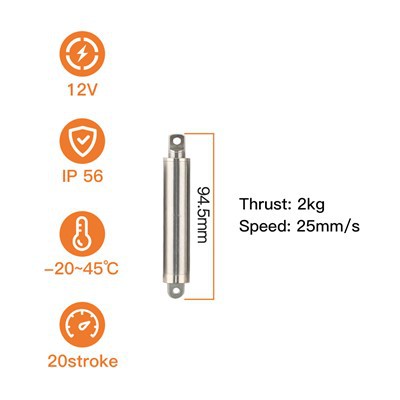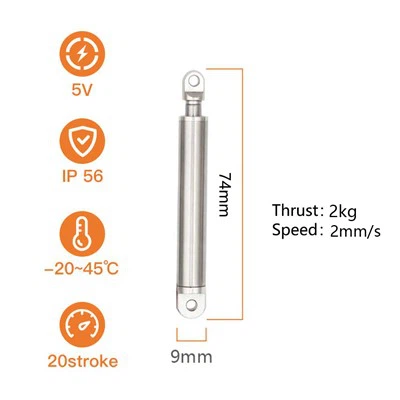
Hey there! As a supplier of tiny linear actuators, I often get asked about various technical aspects of these nifty little devices. One question that crops up quite a bit is, "What is the backlash variation of a tiny linear actuator?" Well, let's dive right in and break it down.
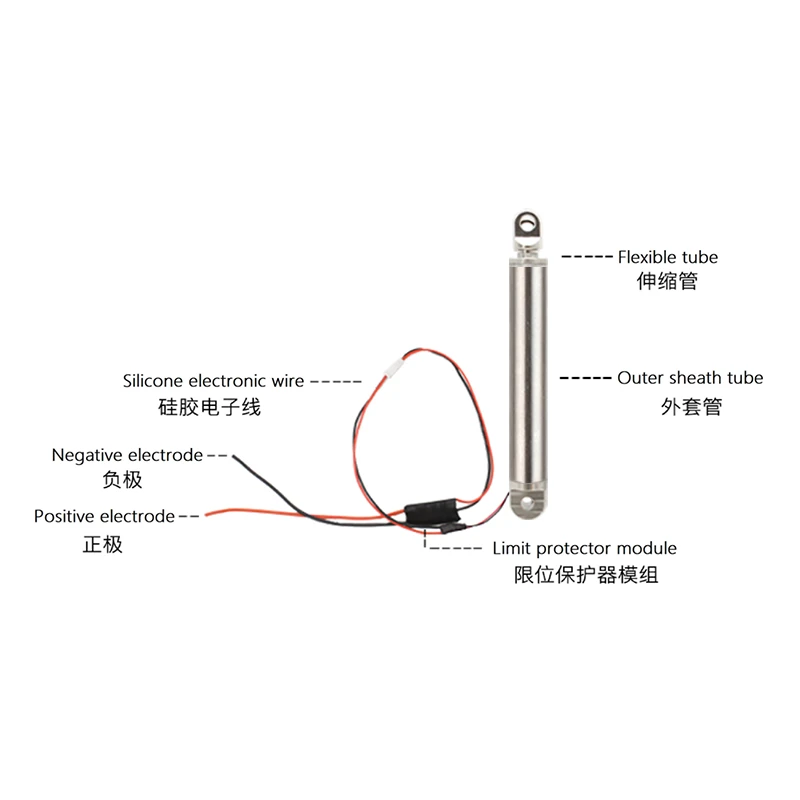
First off, let's understand what a tiny linear actuator is. In simple terms, it's a device that converts rotational motion into linear motion. These things are super handy in a whole bunch of applications, from small robotics projects to precision machinery. They're compact, efficient, and can pack a punch despite their size.
Now, onto backlash. Backlash is basically the amount of play or clearance between the moving parts of an actuator. When you reverse the direction of an actuator, there's a small delay or movement before the output actually starts moving in the new direction. This delay is what we call backlash. And just like with any mechanical component, the amount of backlash can vary.
The backlash variation in a tiny linear actuator can be influenced by several factors. One of the main factors is the quality of the manufacturing process. If the parts are not machined precisely, there will be more play between the gears or other moving components, resulting in higher backlash. At our company, we take great pride in our manufacturing process. We use state - of - the - art equipment and strict quality control measures to ensure that our tiny linear actuators have minimal backlash variation.
Another factor that affects backlash variation is the type of materials used. For example, if the gears are made of a soft material, they may wear out more quickly, which can increase the backlash over time. That's why we often use high - quality materials like hardened steel or durable plastics in our actuators. These materials are not only resistant to wear but also help in maintaining a consistent level of backlash.
The design of the actuator also plays a crucial role. Some actuator designs are inherently more prone to backlash variation than others. For instance, a design with a complex gear train may have more opportunities for play between the gears compared to a simpler design. We've spent a lot of time researching and developing our actuator designs to minimize these issues. Our engineers are constantly looking for ways to optimize the design to reduce backlash variation and improve overall performance.
Let's talk about why backlash variation matters. In applications where precision is key, such as in medical devices or high - end robotics, even a small amount of backlash can cause problems. For example, in a robotic arm that needs to perform precise movements, excessive backlash can lead to inaccurate positioning. This can result in errors in the final product or even cause the system to malfunction.
On the other hand, in less critical applications like some home automation projects, a slightly higher backlash may be acceptable. However, even in these cases, it's still important to have a good understanding of the backlash variation to ensure that the actuator will perform as expected.
Now, if you're in the market for a tiny linear actuator, we've got a great range of products to choose from. For example, our 6 Volt Linear Actuator with Remoteactuators is perfect for applications where you need remote control functionality. It's compact, easy to install, and has a very low backlash variation, making it ideal for precision tasks.
If you're looking for a more high - performance option, our Linear Motor Actuator is a great choice. These actuators offer extremely high precision and low backlash, thanks to their advanced motor technology. They're often used in industrial applications where accuracy is of the utmost importance.
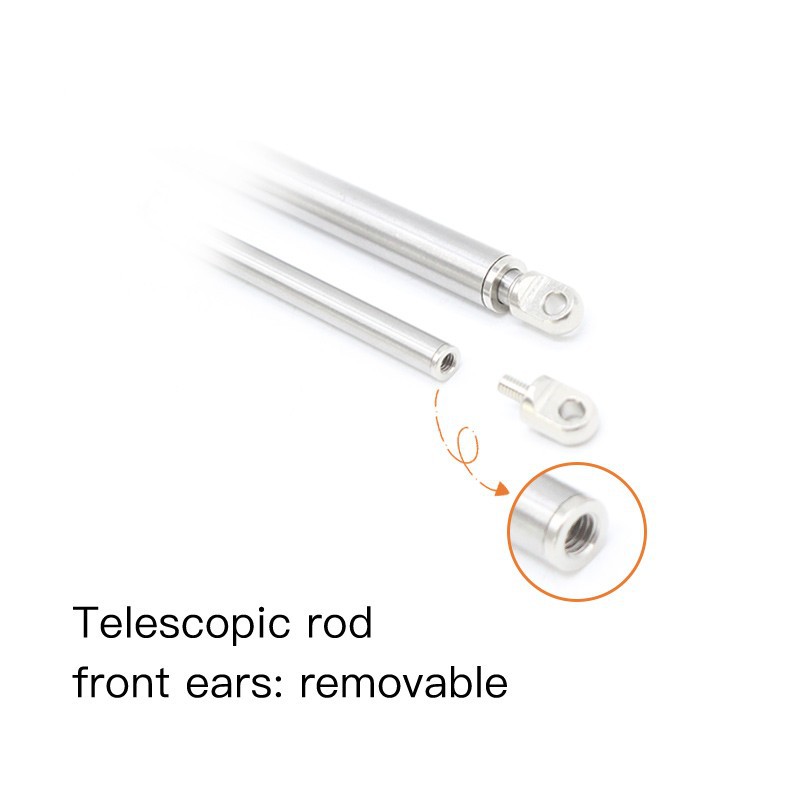
And for applications where corrosion resistance is a concern, our Stainless Steel Linear Actuator is the way to go. The stainless steel construction not only provides excellent durability but also helps in maintaining consistent performance over time, with minimal backlash variation.
So, if you're interested in learning more about our tiny linear actuators or have any questions about backlash variation or any other technical aspect, don't hesitate to get in touch. Whether you're a hobbyist working on a small project or a large - scale manufacturer in need of high - quality actuators, we're here to help. We can work with you to find the perfect actuator for your specific application and ensure that you get the best performance possible.
In conclusion, understanding the backlash variation of a tiny linear actuator is crucial for ensuring its proper performance. By considering factors like manufacturing quality, materials, and design, you can make an informed decision when choosing an actuator. And if you're looking for top - notch tiny linear actuators with minimal backlash variation, look no further. We're here to provide you with the best products and support in the industry.
References
- Various industry reports on linear actuator technology
- Internal research and development documents from our company's engineering department