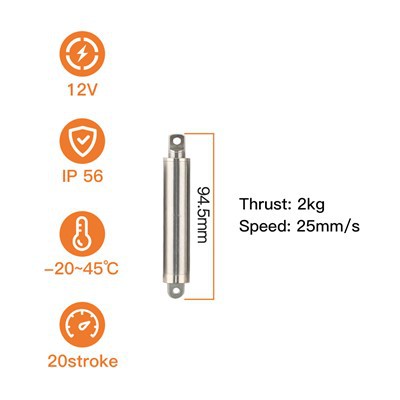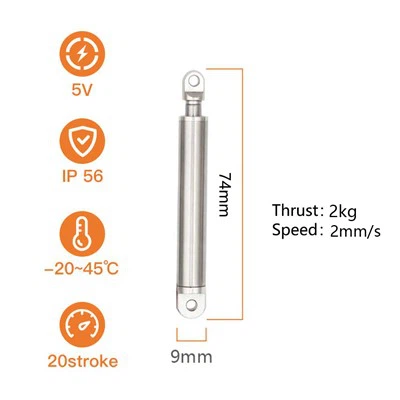
Hey there! As a supplier of 12V actuator motors, I've seen firsthand how these nifty devices can bring a whole new level of functionality to rotary motion applications. In this blog post, I'm gonna walk you through everything you need to know about using a 12V actuator motor in a rotary motion setup.
Understanding 12V Actuator Motors
First off, let's talk a bit about what a 12V actuator motor actually is. Simply put, it's a motor that can convert electrical energy into mechanical motion. The "12V" part refers to the voltage it operates on, which is a common and convenient power source in many applications.
There are different types of 12V actuator motors out there, but for rotary motion, we're usually looking at ones that can produce a rotational force. These motors can be found in all sorts of places, from small DIY projects to industrial machinery.
One of the great things about 12V actuator motors is their versatility. They're relatively easy to work with and can be integrated into a wide range of systems. Whether you're building a robotic arm, a rotating display, or a custom automation setup, a 12V actuator motor can be a great choice.
Choosing the Right 12V Actuator Motor
When it comes to using a 12V actuator motor in a rotary motion application, the first step is to choose the right motor for the job. There are a few key factors to consider:


- Torque: This is the rotational force that the motor can produce. You'll need to make sure the motor has enough torque to move the load you're working with. For example, if you're rotating a heavy object, you'll need a motor with higher torque.
- Speed: The speed at which the motor rotates is also important. Some applications may require a slow, precise rotation, while others may need a faster speed. Make sure to choose a motor with a speed that matches your requirements.
- Size and Mounting: Consider the physical size of the motor and how it will be mounted in your application. You'll need to make sure it fits in the available space and can be securely attached.
If you're not sure which motor is right for you, don't worry! As a 12V Actuator Motor supplier, I'm here to help. You can check out our 12V Actuator Motor product page for more information on the different options we offer.
Wiring and Powering the Motor
Once you've chosen the right motor, the next step is to wire it up and provide it with power. Here's a basic overview of the process:
- Power Source: As the name suggests, a 12V actuator motor requires a 12V power source. This can be a battery, a power supply, or any other source that can provide a stable 12V output.
- Wiring: The motor will typically have two wires for power (positive and negative). Make sure to connect the positive wire to the positive terminal of the power source and the negative wire to the negative terminal. It's important to double-check your connections to avoid any short circuits.
- Control: Depending on your application, you may also need to control the motor's rotation. This can be done using a motor controller, which allows you to adjust the speed and direction of the motor. There are many different types of motor controllers available, so choose one that's compatible with your motor and application.
If you're new to wiring and powering motors, it's a good idea to do some research or consult with an expert. You can also find plenty of tutorials and resources online to help you get started.
Integrating the Motor into Your Rotary Motion Application
Now that you've got your motor wired up and powered, it's time to integrate it into your rotary motion application. Here are some steps to follow:
- Mechanical Connection: The motor needs to be mechanically connected to the rotating part of your application. This can be done using a shaft coupling, gears, belts, or other mechanical components. Make sure the connection is secure and allows for smooth rotation.
- Alignment: Proper alignment is crucial for the smooth operation of the motor. Make sure the motor is aligned with the rotating part of your application and that there is no excessive play or misalignment.
- Testing: Before fully integrating the motor into your application, it's a good idea to test it to make sure it's working properly. You can do this by powering the motor and checking its rotation. If there are any issues, make the necessary adjustments before proceeding.
Troubleshooting and Maintenance
Even with the best planning and installation, you may encounter some issues with your 12V actuator motor over time. Here are some common problems and how to troubleshoot them:
- Motor Not Running: If the motor isn't running, check the power supply and wiring to make sure everything is connected properly. You may also need to check the motor controller to make sure it's functioning correctly.
- Motor Running Slowly or Erratically: This could be due to a number of factors, including a low power supply, a faulty motor controller, or mechanical issues. Check the power supply and wiring, and make sure the motor is properly lubricated and aligned.
- Motor Overheating: Overheating can be a sign of a problem with the motor or the power supply. Make sure the motor is not being overloaded and that there is proper ventilation. If the problem persists, you may need to replace the motor.
Regular maintenance is also important to keep your 12V actuator motor running smoothly. This includes cleaning the motor, checking the wiring and connections, and lubricating any moving parts.
Conclusion
Using a 12V actuator motor in a rotary motion application can be a great way to add functionality and automation to your projects. By choosing the right motor, wiring it up correctly, and integrating it into your application, you can create a reliable and efficient rotary motion system.
If you have any questions or need help with your 12V actuator motor project, don't hesitate to reach out. As a 12V Actuator Motor supplier, I'm here to provide you with the support and expertise you need. You can also check out our Micro Linear Actuator 12V and 12V Dc Linear Actuator product pages for more options and information.
Whether you're a hobbyist, a DIY enthusiast, or an industrial professional, we've got the products and knowledge to help you succeed. So, what are you waiting for? Start exploring the possibilities of using a 12V actuator motor in your rotary motion application today!
References
- "Motor Handbook" by Arnold Tustin
- "Electric Motors and Drives: Fundamentals, Types and Applications" by Austin Hughes and Bill Drury