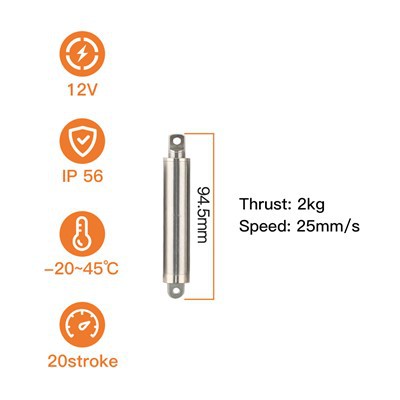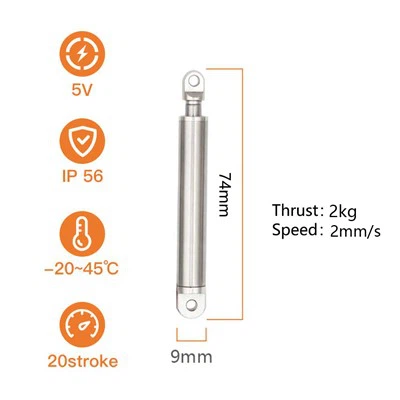
Hey there! As a supplier of Actuators Electric, I've seen firsthand how corrosion can mess up electric actuators. It's a real pain in the neck, causing all sorts of problems like reduced performance and even complete failure. But don't worry, I'm here to share some tips on how to prevent corrosion in electric actuators.
Understanding Corrosion in Electric Actuators
Before we dive into the prevention methods, let's quickly understand what corrosion is and how it affects electric actuators. Corrosion is basically a chemical reaction that occurs when metal comes into contact with oxygen, moisture, or other corrosive substances. In the case of electric actuators, this can lead to rust, pitting, and other forms of damage.
There are several factors that can contribute to corrosion in electric actuators. One of the main culprits is exposure to moisture. Whether it's from rain, humidity, or condensation, water can accelerate the corrosion process. Other factors include exposure to chemicals, such as acids or salts, and high temperatures.
Choose the Right Materials
One of the most effective ways to prevent corrosion in electric actuators is to choose the right materials. When selecting an actuator, look for ones made from corrosion-resistant materials, such as stainless steel, aluminum, or coated metals. These materials are less likely to rust or corrode, even when exposed to harsh environments.
For example, stainless steel is a popular choice for electric actuators because it contains chromium, which forms a protective layer on the surface of the metal. This layer helps to prevent oxygen and moisture from reaching the metal, reducing the risk of corrosion. Aluminum is another lightweight and corrosion-resistant material that is commonly used in electric actuators.
Apply Protective Coatings
In addition to choosing the right materials, you can also apply protective coatings to your electric actuators. These coatings act as a barrier between the metal and the environment, preventing moisture and other corrosive substances from coming into contact with the actuator.
There are several types of protective coatings available, including paint, powder coating, and galvanizing. Paint is a simple and cost-effective way to protect your actuator, but it may not be as durable as other coatings. Powder coating is a more durable option that provides a smooth and even finish. Galvanizing involves coating the metal with a layer of zinc, which provides excellent corrosion protection.
Keep the Actuator Clean and Dry
Another important step in preventing corrosion in electric actuators is to keep them clean and dry. Regularly clean the actuator to remove any dirt, dust, or debris that may accumulate on the surface. Use a mild detergent and a soft cloth to avoid scratching the metal.
After cleaning, make sure to dry the actuator thoroughly to prevent moisture from lingering. If the actuator is exposed to water or other liquids, dry it immediately using a clean towel or compressed air. You can also use a desiccant to absorb any moisture that may be present in the actuator's housing.
Install the Actuator in a Suitable Location
The location where you install your electric actuator can also have a significant impact on its corrosion resistance. Try to install the actuator in a dry, clean, and well-ventilated area. Avoid installing it in areas where it may be exposed to excessive moisture, chemicals, or high temperatures.
If possible, install the actuator indoors or in a protected enclosure. This will help to shield it from the elements and reduce the risk of corrosion. If you need to install the actuator outdoors, make sure to choose a location that is sheltered from rain and direct sunlight.

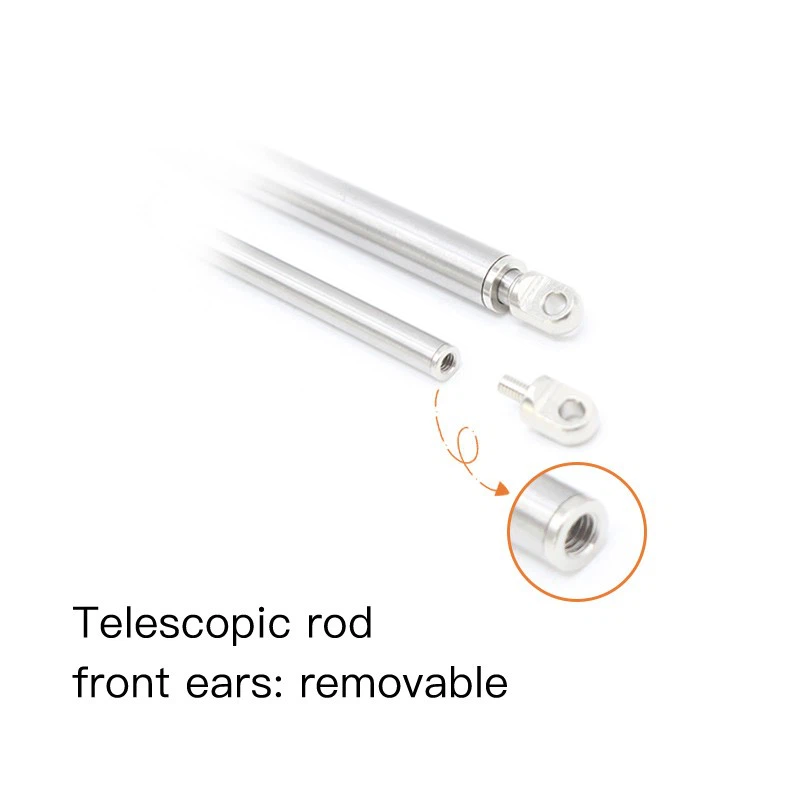
Use Seals and Gaskets
Seals and gaskets are essential components of electric actuators that help to prevent moisture and other contaminants from entering the actuator's housing. Make sure to use high-quality seals and gaskets that are designed to withstand the operating conditions of your actuator.
Regularly inspect the seals and gaskets for any signs of wear or damage. If you notice any cracks, tears, or leaks, replace the seals and gaskets immediately to prevent moisture from entering the actuator. You can also apply a sealant to the joints and connections to provide an extra layer of protection.
Monitor and Maintain the Actuator
Finally, it's important to monitor and maintain your electric actuator regularly to ensure its long-term performance and reliability. Keep an eye on the actuator's operating conditions, such as temperature, humidity, and vibration. If you notice any changes in these conditions, take appropriate action to address the issue.
Regularly lubricate the actuator's moving parts to reduce friction and wear. Use a high-quality lubricant that is compatible with the materials used in the actuator. Follow the manufacturer's recommendations for lubrication intervals and procedures.
Conclusion
Preventing corrosion in electric actuators is essential for ensuring their long-term performance and reliability. By choosing the right materials, applying protective coatings, keeping the actuator clean and dry, installing it in a suitable location, using seals and gaskets, and monitoring and maintaining the actuator regularly, you can significantly reduce the risk of corrosion and extend the lifespan of your actuator.
If you're in the market for a high-quality electric actuator, we offer a wide range of Electric Motor Linear Actuator and Electric Linear Actuator that are designed to withstand even the harshest environments. Our actuators are made from corrosion-resistant materials and are backed by our commitment to quality and customer satisfaction.
If you have any questions or would like to discuss your specific requirements, please don't hesitate to contact us. We're here to help you find the right actuator for your application and provide you with the support and service you need to keep it running smoothly.
References
- ASM International. (2000). Corrosion Basics: An Introduction. Materials Park, OH: ASM International.
- Fontana, M. G. (1986). Corrosion Engineering. New York, NY: McGraw-Hill.
- Schweitzer, P. A. (2004). Corrosion Resistance Tables. New York, NY: Marcel Dekker.