Hey there! As a supplier of Linear Micro Actuators, I've seen firsthand how important it is to get the most out of these little powerhouses. In this blog, I'm gonna share some tips on how to increase the lifespan of linear micro actuators. Whether you're using them in a DIY project or a professional application, these tricks can help you save money and keep your equipment running smoothly.
1. Proper Installation
First things first, getting the installation right is crucial. A poorly installed actuator can face unnecessary stress, which can significantly shorten its lifespan. When you're installing a Linear Micro Actuators, make sure it's mounted securely. Loose mounts can cause vibrations, which over time can damage the internal components.
Also, pay attention to the alignment. Misaligned actuators have to work harder to move the load, leading to increased wear and tear. Follow the manufacturer's instructions carefully. If you're not sure, don't hesitate to reach out for help. It's better to take the time to install it correctly from the start than to deal with problems later.
2. Choose the Right Actuator for the Job
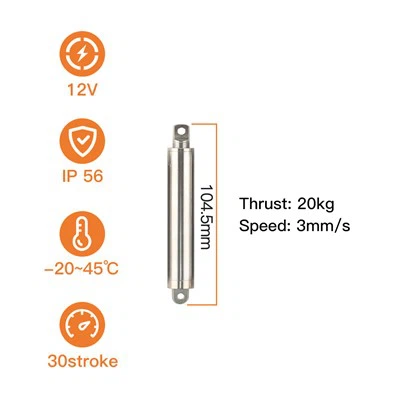
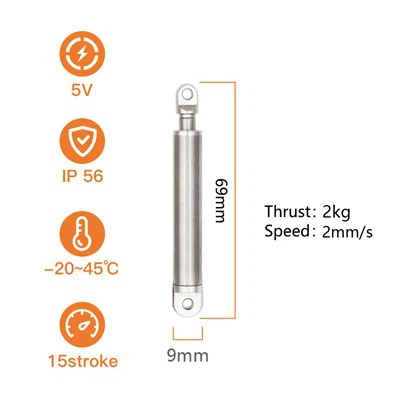
Not all linear micro actuators are created equal. Different models are designed for different loads, speeds, and duty cycles. If you try to use an actuator that's not suited for your application, it's going to struggle. For example, if you need an actuator for a DIY model, the Actuator Linear For Diy Model might be a great fit. It's designed with the specific needs of DIY projects in mind.
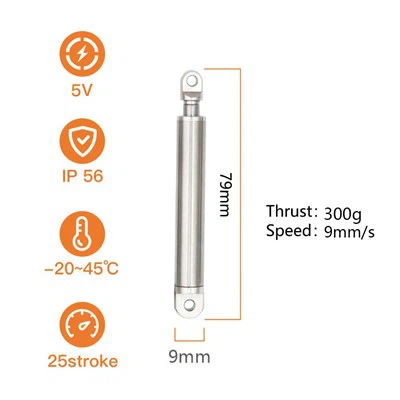
On the other hand, if you need a 6V actuator, the Micro Linear Actuator 6V could be your go-to. Make sure to consider factors like the load capacity, stroke length, and frequency of use when choosing an actuator. Using the right one will reduce the stress on the actuator and increase its lifespan.
3. Keep It Clean
Dirt, dust, and debris can be the enemy of linear micro actuators. These particles can get into the moving parts, causing friction and wear. Regularly clean your actuators to prevent this. You can use a soft brush to gently remove any loose dirt. For more stubborn grime, a mild cleaning solution and a cloth can do the trick.
Just be careful not to get any liquid inside the actuator. If you're working in a particularly dirty environment, you might want to consider using a protective cover. This can help keep the actuator clean and extend its life.
4. Lubrication
Proper lubrication is essential for reducing friction and wear in linear micro actuators. Over time, the lubricant can break down or dry out, so it's important to check and replenish it regularly. Use the lubricant recommended by the manufacturer. Applying the right amount of lubricant at the right intervals can make a big difference in the actuator's performance and lifespan.
5. Monitor the Operating Conditions
Pay attention to the environment in which your actuators are operating. Extreme temperatures, humidity, and vibration can all have a negative impact on their lifespan. If possible, try to keep the actuators in a controlled environment. For example, if it's too hot, the internal components can expand and cause problems. On the other hand, if it's too cold, the lubricant might thicken, reducing the actuator's efficiency.
If you can't control the environment completely, at least monitor the conditions. You can use sensors to keep track of temperature, humidity, and vibration levels. This way, you can take action if the conditions start to become unfavorable.
6. Avoid Overloading
One of the biggest mistakes you can make is overloading your linear micro actuators. Every actuator has a maximum load capacity, and exceeding this can cause serious damage. Before using an actuator, make sure you know its load limits and stay within them.
If you need to move a heavier load, consider using multiple actuators or upgrading to a more powerful model. Overloading not only shortens the lifespan of the actuator but can also be dangerous. So, always play it safe and stay within the recommended load limits.


7. Regular Maintenance and Inspections
Set up a regular maintenance schedule for your linear micro actuators. This should include checking for any signs of wear, loose connections, or damage. Look for things like worn-out gears, frayed wires, or leaks. Catching these issues early can prevent them from turning into major problems.
During inspections, also test the actuator's performance. Make sure it's moving smoothly and accurately. If you notice any changes in its behavior, investigate the cause right away. Regular maintenance and inspections can help you catch and fix problems before they lead to a complete breakdown.
8. Train Your Staff
If you're using linear micro actuators in a professional setting, make sure your staff is trained on how to use and maintain them properly. Improper handling can cause unnecessary damage. Provide training on installation, operation, cleaning, and maintenance procedures.
Encourage your employees to report any issues they notice with the actuators. By having a well-trained team, you can ensure that the actuators are used correctly and that any problems are addressed promptly.
9. Use Quality Components
When it comes to linear micro actuators, using quality components can make a big difference. Cheap or inferior parts may save you money in the short term, but they're likely to fail sooner. Invest in high-quality actuators and replacement parts. This may cost more upfront, but it can save you a lot of money in the long run by reducing the need for frequent replacements.
10. Have a Spare Parts Inventory
It's always a good idea to have a stock of essential spare parts for your linear micro actuators. This way, if a part fails, you can replace it quickly and get the actuator back up and running. Common spare parts include gears, motors, and seals.
Make sure to store the spare parts in a clean, dry place to prevent damage. Having a spare parts inventory can minimize downtime and keep your operations running smoothly.
In conclusion, increasing the lifespan of linear micro actuators requires a combination of proper installation, maintenance, and careful operation. By following these tips, you can get the most out of your actuators and save money in the long run.
If you're interested in purchasing linear micro actuators or have any questions about their lifespan and maintenance, feel free to reach out. We're here to help you find the right solutions for your needs and ensure that your actuators last as long as possible.
References
- Manufacturer's manuals for linear micro actuators
- Industry best practices for actuator maintenance
- Research on the effects of environmental factors on actuator performance