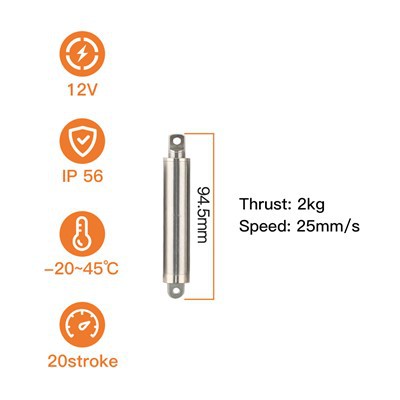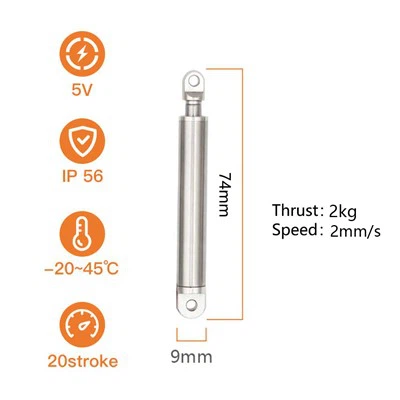
Hey there! As a supplier of tiny linear actuators, I've seen firsthand how crucial stability is for these little powerhouses. In this blog, I'm gonna share some tips on how to ensure the stability of a tiny linear actuator.
Understanding the Basics of Tiny Linear Actuators
Before we dive into the stability stuff, let's quickly go over what a tiny linear actuator is. It's a device that converts rotational motion into linear motion, and it's used in all sorts of applications, from robotics to medical devices. These actuators are small but mighty, and they need to be stable to work properly.
Choosing the Right Actuator for the Job
One of the first steps in ensuring stability is to pick the right actuator for your specific application. There are different types of tiny linear actuators out there, like Linear Motor Actuator and Fast Actuators Linear. You need to consider factors like load capacity, speed, and stroke length.
For example, if you're working on a project that requires high precision and a relatively low load, a linear motor actuator might be a great choice. On the other hand, if speed is your main concern, a fast actuator linear could be the way to go.
Proper Installation
Once you've chosen the right actuator, proper installation is key. Make sure the actuator is mounted securely to a stable surface. Any looseness or vibrations during installation can lead to instability during operation.
Use the right mounting hardware and follow the manufacturer's instructions carefully. If you're not sure how to install the actuator, don't hesitate to reach out to the supplier for guidance. A well - installed actuator is less likely to experience issues like misalignment, which can seriously affect stability.


Alignment
Alignment is super important for the stability of a tiny linear actuator. Misaligned actuators can cause uneven wear on the components, leading to premature failure and instability.
During installation, use alignment tools to ensure that the actuator is perfectly straight. Check both the horizontal and vertical alignment. If the actuator is part of a larger system, make sure that all the connected components are also properly aligned. This will help distribute the load evenly and keep the actuator running smoothly.
Lubrication
Lubrication plays a vital role in maintaining the stability of a tiny linear actuator. It reduces friction between moving parts, which not only improves efficiency but also helps prevent wear and tear.
Use the recommended lubricant for your specific actuator. Different actuators may require different types of lubricants, so it's important to get it right. Apply the lubricant at the appropriate intervals as specified by the manufacturer. Over - lubrication can be just as bad as under - lubrication, so follow the guidelines carefully.
Load Management
Managing the load on the actuator is essential for stability. Don't overload the actuator beyond its rated capacity. If you try to push it too hard, it can cause the actuator to malfunction or become unstable.
If your application requires a higher load capacity than the actuator can handle on its own, consider using multiple actuators in parallel or series to distribute the load. This way, each actuator is working within its limits, and the overall system remains stable.
Environmental Considerations
The environment in which the actuator operates can also affect its stability. For example, if the actuator is exposed to extreme temperatures, humidity, or dust, it can cause problems.
If you're using the actuator in a harsh environment, choose an appropriate enclosure or protective cover. For instance, a Stainless Steel Linear Actuator is a great option for applications where corrosion resistance is needed, such as in marine or food processing environments.
Regular Maintenance
Regular maintenance is a must for ensuring the long - term stability of a tiny linear actuator. This includes checking for loose bolts, inspecting the wiring for any signs of damage, and monitoring the performance of the actuator.
Keep a maintenance log to track when you last performed maintenance tasks and any issues you've encountered. This will help you identify patterns and address potential problems before they become major headaches.
Control System Optimization
The control system that operates the actuator can also impact its stability. Make sure the control system is properly calibrated and configured. Use feedback sensors to monitor the position and speed of the actuator and adjust the control signals accordingly.
If the control system is not optimized, it can cause the actuator to overshoot or undershoot its target position, leading to instability. Work with an experienced engineer or technician to fine - tune the control system for optimal performance.
Testing and Validation
Before putting the actuator into full - scale operation, conduct thorough testing and validation. This will help you identify any stability issues early on and make the necessary adjustments.
Test the actuator under different operating conditions, including various loads, speeds, and environmental factors. Use data logging equipment to record the performance of the actuator during testing. Analyze the data to look for any signs of instability or abnormal behavior.
Conclusion
Ensuring the stability of a tiny linear actuator is a multi - faceted process that involves choosing the right actuator, proper installation, alignment, lubrication, load management, environmental considerations, regular maintenance, control system optimization, and testing. By following these tips, you can keep your actuator running smoothly and reliably for a long time.
If you're in the market for a high - quality tiny linear actuator or need more advice on ensuring stability, don't hesitate to get in touch. We're here to help you find the perfect solution for your application and make sure it performs at its best.
References
- Manufacturer's manuals of various linear actuators
- Industry standards and guidelines for linear actuator operation and maintenance
- Technical papers on linear actuator design and performance