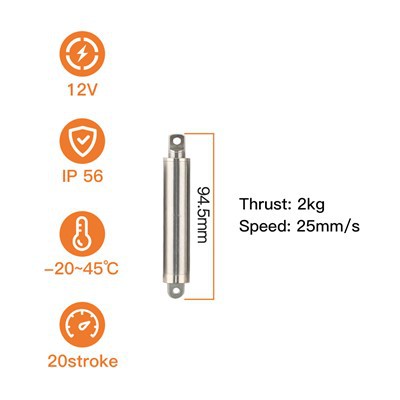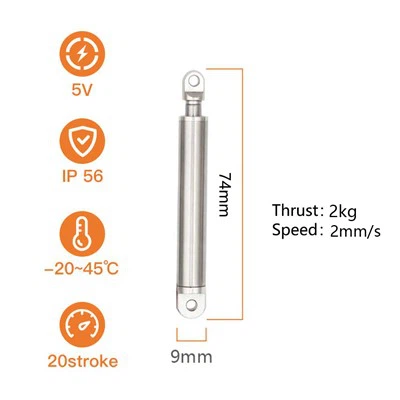
Connecting multiple 12V DC linear actuators together can be a practical solution for various applications, such as in automated machinery, robotics, and custom DIY projects. As a supplier of 12V DC linear actuators, I've encountered numerous customers seeking guidance on how to achieve this effectively. In this blog, I'll share some insights and methods on connecting multiple 12V DC linear actuators together.
Understanding the Basics of 12V DC Linear Actuators
Before diving into the connection process, it's essential to understand what 12V DC linear actuators are. A 12V DC linear actuator is a device that converts electrical energy into linear motion. It typically consists of a motor, a gearbox, and a lead screw or a belt drive system. When powered by a 12V DC power source, the actuator moves in a straight line, either extending or retracting.
The 12V Actuator Motor is a crucial component of the linear actuator. It provides the power needed to drive the actuator's movement. The Linear Motor 12V is designed to operate efficiently at a 12V DC voltage, making it suitable for a wide range of applications where a low - voltage power source is available. The 12 Volt Dc Actuator is a complete unit that combines the motor, gearbox, and other components to provide a ready - to - use linear motion solution.
Parallel Connection
One of the simplest ways to connect multiple 12V DC linear actuators is in parallel. In a parallel connection, the positive terminals of all the actuators are connected together, and the negative terminals are also connected together. This means that each actuator receives the same voltage (12V in this case), but the current is divided among the actuators.
To make a parallel connection, follow these steps:
- Prepare the actuators: Make sure all the 12V DC linear actuators are in good working condition. Check the wiring and terminals for any signs of damage.
- Connect the positive terminals: Use a suitable gauge of wire to connect all the positive terminals of the actuators together. You can use crimp connectors or soldering to ensure a secure connection.
- Connect the negative terminals: Similarly, connect all the negative terminals of the actuators together using the same type of wire.
- Connect to the power source: Once the actuators are connected in parallel, connect the combined positive and negative terminals to a 12V DC power supply.
The advantage of a parallel connection is that it is relatively simple and all the actuators will move simultaneously. However, it's important to note that the power supply must be able to provide enough current to drive all the actuators. If the power supply cannot deliver sufficient current, the actuators may not operate at their full capacity or may even fail to move.
Series Connection
Another method of connecting multiple 12V DC linear actuators is in series. In a series connection, the positive terminal of one actuator is connected to the negative terminal of the next actuator, and so on. The total voltage across the series - connected actuators is the sum of the individual actuator voltages. But for 12V DC actuators, series connection is not as common because it would require a higher - voltage power source if you want all the actuators to operate properly.
If you still want to use a series connection for some reason, here's how you can do it:
- Check the actuator specifications: Make sure the actuators are designed to handle the increased voltage that will be applied in a series connection.
- Connect the actuators: Connect the positive terminal of the first actuator to the negative terminal of the second actuator, and continue this process for all the actuators in the series.
- Connect to the power source: Connect the remaining positive and negative terminals to a power source with a voltage equal to the sum of the actuator voltages.
The main drawback of a series connection for 12V DC actuators is that if one actuator fails or has a high resistance, it can affect the operation of all the other actuators in the series.
Using a Controller
For more complex applications where you need to control the movement of multiple 12V DC linear actuators independently or in a coordinated manner, using a controller is a better option. A controller can provide precise control over the speed, direction, and position of each actuator.
There are different types of controllers available in the market. Some controllers are designed specifically for linear actuators and can be programmed to perform various motion profiles. To use a controller, follow these steps:
- Select a suitable controller: Choose a controller that is compatible with your 12V DC linear actuators. Consider factors such as the number of actuators it can control, the control interface (e.g., USB, Bluetooth), and the available features.
- Connect the actuators to the controller: Follow the manufacturer's instructions to connect each actuator to the appropriate output terminals of the controller.
- Connect the controller to the power source: Make sure to connect the controller to a suitable power supply, usually a 12V DC power source.
- Program the controller: Use the provided software or interface to program the desired motion profiles for each actuator.
Considerations for Power Supply
When connecting multiple 12V DC linear actuators, the power supply is a critical factor. As mentioned earlier, in a parallel connection, the power supply must be able to provide enough current to drive all the actuators. You can calculate the total current required by adding up the current ratings of all the actuators.
For example, if each 12V DC linear actuator has a current rating of 1A and you are connecting 3 actuators in parallel, the power supply should be able to provide at least 3A of current at 12V. It's also a good idea to choose a power supply with some extra capacity to account for any inefficiencies or sudden increases in current demand.
Safety Precautions
When working with 12V DC linear actuators, safety should always be a top priority. Here are some safety precautions to keep in mind:
- Disconnect the power: Before making any connections or performing maintenance on the actuators, always disconnect the power source to avoid electrical shock.
- Use proper insulation: Make sure all the wire connections are properly insulated to prevent short - circuits.
- Follow the manufacturer's instructions: Always follow the instructions provided by the actuator and controller manufacturers to ensure safe and proper operation.
Conclusion
Connecting multiple 12V DC linear actuators together can be achieved through parallel, series, or controller - based methods. Each method has its own advantages and disadvantages, and the choice depends on the specific requirements of your application. As a supplier of 12V DC linear actuators, we are committed to providing high - quality products and technical support to help you with your projects.
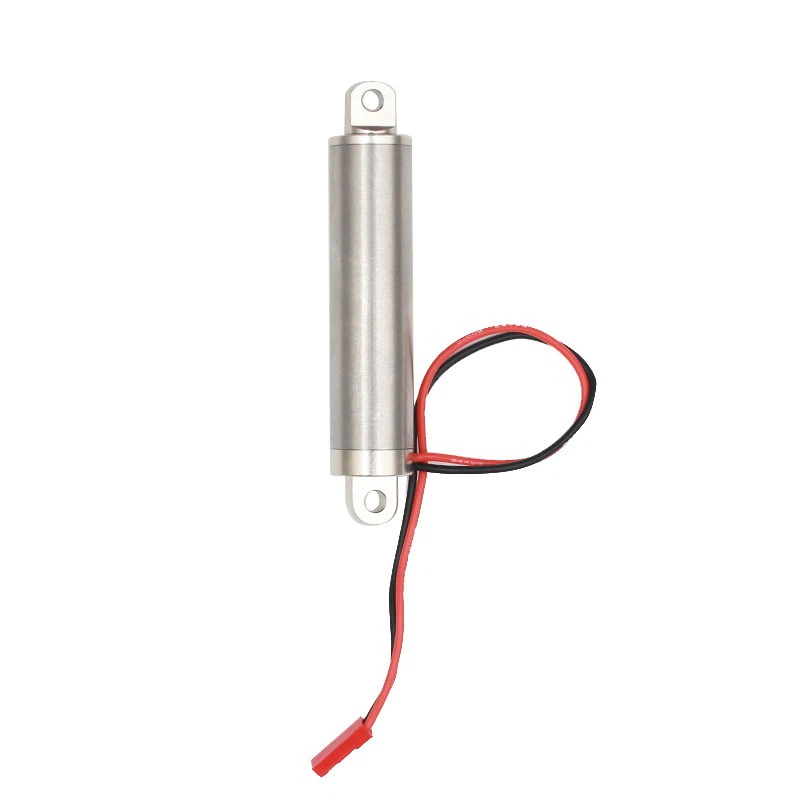
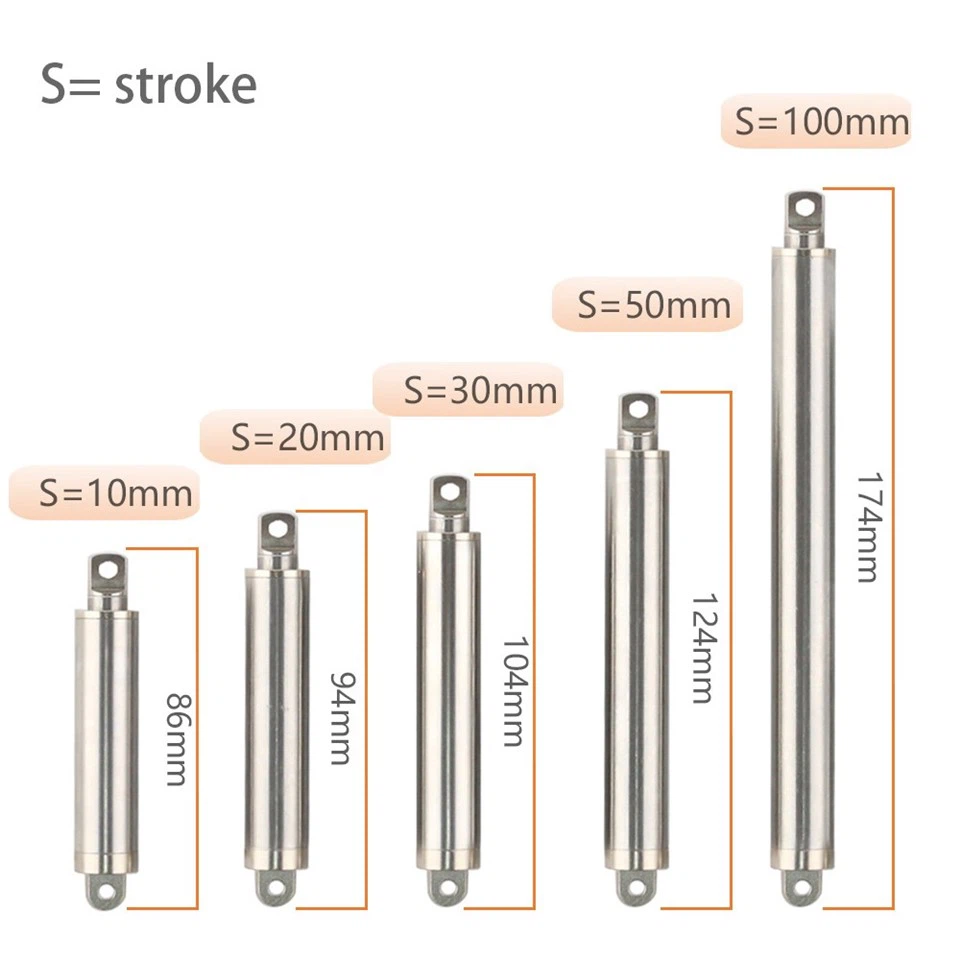
If you are interested in purchasing 12V DC linear actuators or need further assistance with their connection and operation, please feel free to contact us for a detailed discussion. Our team of experts is ready to answer your questions and help you find the best solutions for your needs.
References
- "Linear Actuator Handbook", Published by an industry - leading manufacturer.
- Various technical documents from actuator and controller manufacturers.